How Natural Swimming Pools Work Without Chlorine
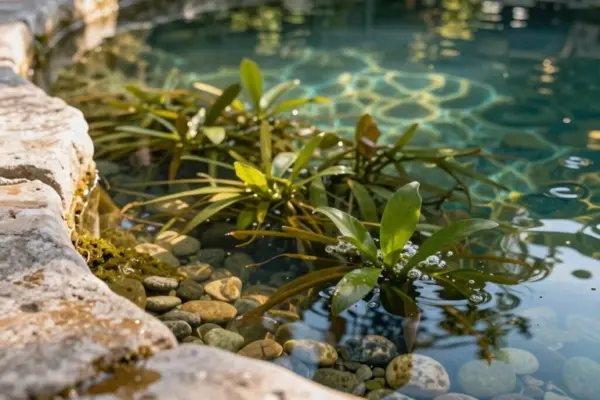
A natural swimming pool skips chlorine by using a planted regeneration zone as a living filter. Your pump moves water through skimmers, fine sieves, gravel, sand, and mineral layers, where helpful microbes break down leaves, skin cells, and sunscreen residue. Aquatic plants absorb algae-feeding nutrients like nitrogen and phosphates, while submerged greenery adds oxygen—nature’s cleanup crew! You’ll still need to skim debris, trim plants, and keep water moving. Curious about costs, maintenance, and design? Keep going for the full picture!
Key Takeaways
- Natural swimming pools use a separate, planted regeneration zone instead of chlorine to clean circulating water.
- Pumps move pool water through gravel, sand, and mineral layers where beneficial microbes break down organic contaminants.
- Skimmers and fine sieves remove leaves and particles before water enters the biofilter.
- Aquatic plants absorb algae-feeding nutrients such as nitrogen and phosphates while releasing oxygen.
- Continuous circulation, seasonal plant trimming, debris removal, and winterizing help maintain water quality.
Understanding the Regeneration Zone
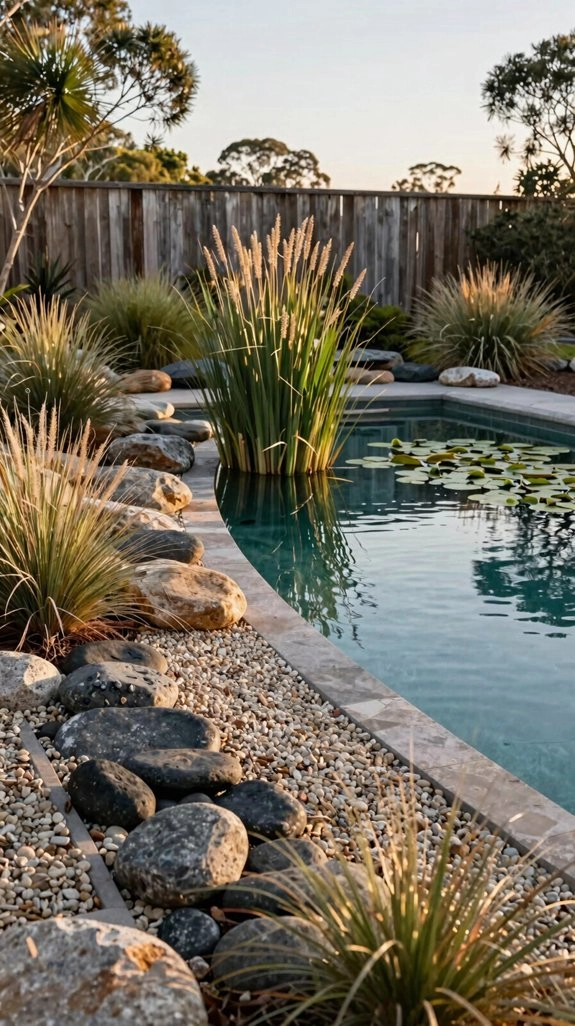
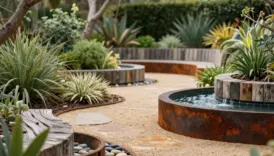
When you swim in a natural pool, the hidden star is the regeneration zone, also called the biofilter!
This planted, gravelly area works behind the scenes, often taking up 30–50% of the pool. That size gives it enough Biofilter capacity to keep up with everyday swimmers.
Water moves from your swimming area into this zone, traveling slowly through gravel, sand, and mineral layers.
Along the way, microbe colonization helps friendly bacteria break down leaves, skin cells, and sunscreen residue.
Plants absorb nutrients and release oxygen, too!
Think of it as nature’s busy neighborhood.
Since it attracts wildlife and hosts concentrated microbes, you shouldn’t swim there—but it quietly keeps your shared water welcoming!
Natural Water Filtration
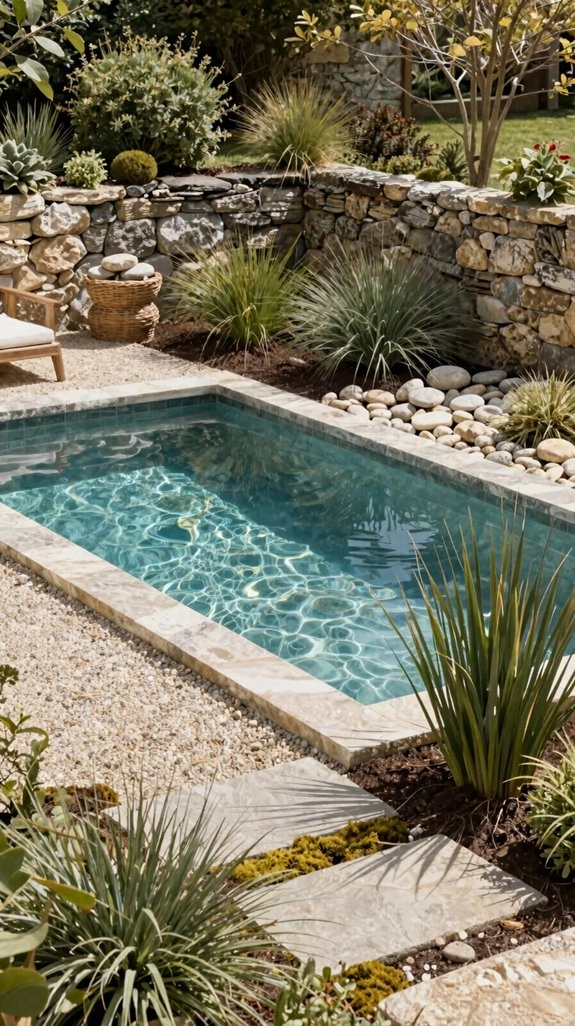
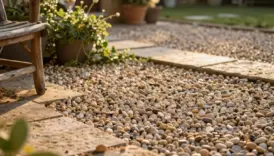
Natural water filtration starts with a simple trick: the pool sends water on a steady passage through gravel, sand, and natural minerals instead of relying on chlorine.
A pump keeps this flow moving from your swim area into a separate filter zone and back again.
Before filtration begins, a skimmer and fine sieve catch leaves and tiny bits, so the system doesn’t get overwhelmed.
Then, biofilter media gives helpful microbes room to work.
Through microbial breakdown, they digest skin cells, sunscreen residue, and other organic matter, reducing odors and rot.
The best part?
You’re joining nature’s cleanup crew—quiet, steady, and surprisingly effective!
Aquatic Plants That Clean Water
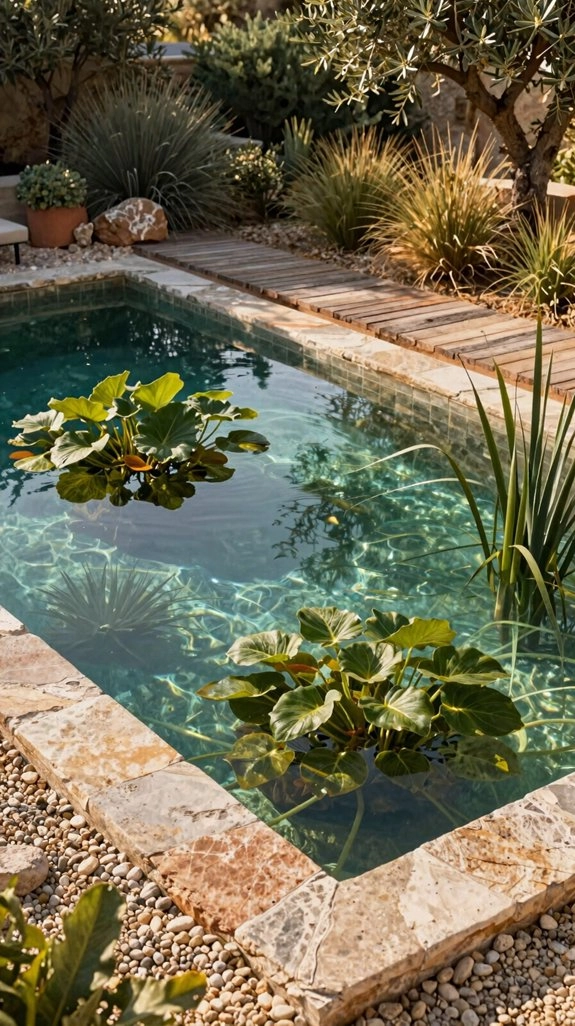
Aquatic plants do more than make the pool look like a backyard oasis—they quietly pull out nitrogen and phosphates, the nutrients algae love!
Choose water lilies, waterweed, and phragmites-type plants to create a welcoming, living team:
- Floaters shade water and absorb nutrients.
- Submerged plants support oxygen-rich conditions.
- Emergent plants thrive along shallow edges.
- Roots host beneficial bacteria that break down leaves, skin cells, and sunscreen.
You don’t need simple tools—just place plants by depth and let nature work. Their nutrient absorption helps discourage algae and steady water chemistry, often near pH 5.5–6.5.
Best of all, photosynthesis adds oxygen, keeping your shared swimming haven fresh and lively!
Circulation Systems
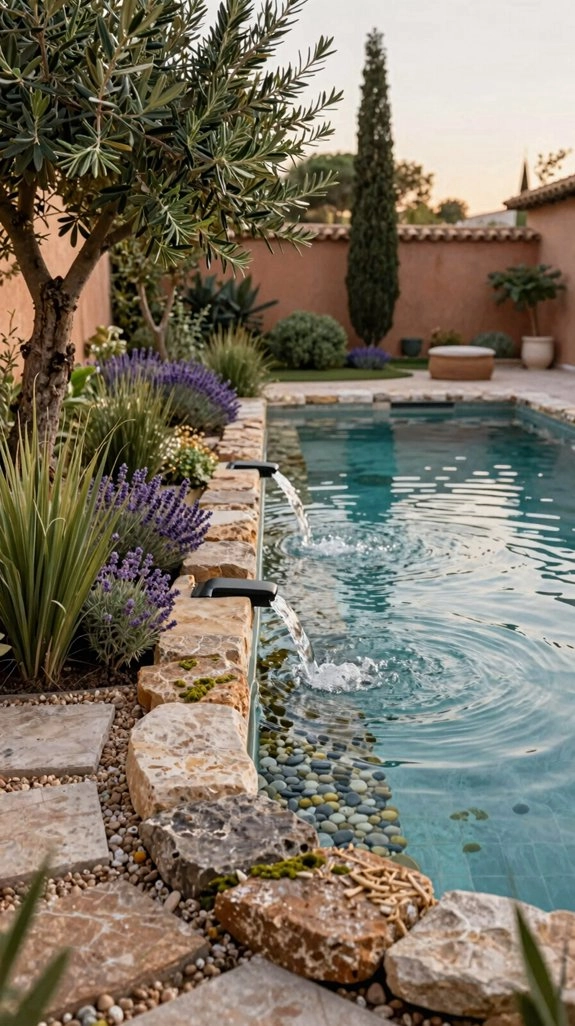
A circulation system keeps your chlorine-free pool moving, fresh, and ready for a swim! A pump draws water from the swim zone, sending it toward the regeneration area, then returns the cleaned water for everyone to enjoy.
First, skimmer filtration catches leaves and floating debris. A fine sieve grabs smaller particles before water reaches the biofilter, so your system doesn’t have to work overtime.
Below-grade pipes spread water through layered gravel and sand, supporting even gravel distribution around plant roots.
Gentle flow and underwater air diffusers keep water lively, not stagnant.
The best part? Beneficial bacteria do the quiet cleaning, naturally, while you swim!
Seasonal Maintenance
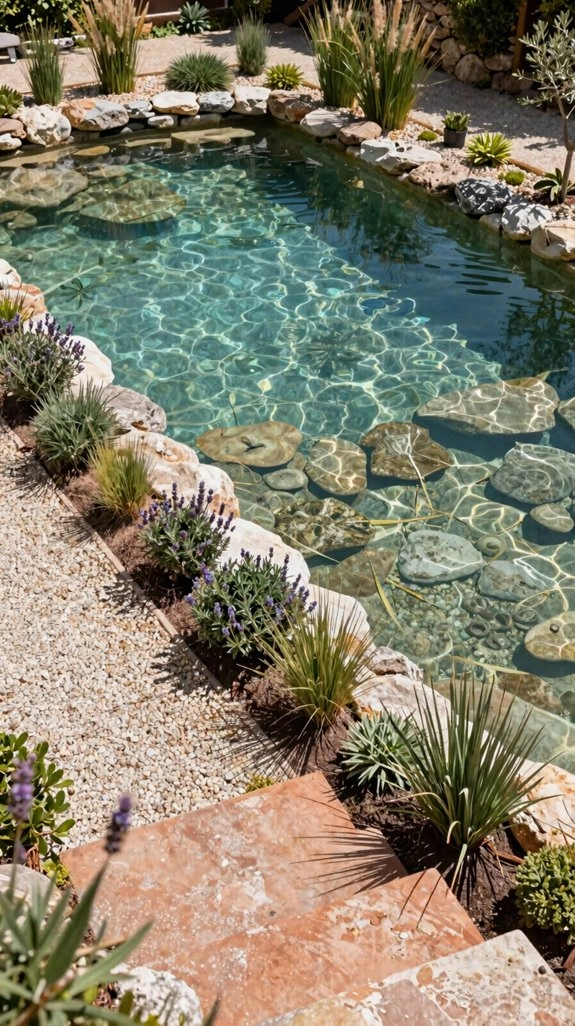
When seasons change, your chlorine-free pool needs a little attention to keep its living filter healthy and ready for swimmers! Your regeneration zone is a living filter, so care for it like part of the family. Every month or two, trim plants and practice debris skimming around the swim area and planted edges.
- Add a winter cover or net after cutting plants back.
- Try pump winterizing by draining or blowing out exposed plumbing.
- Top off water during hot, dry spells as evaporation rises.
- Plan spring plant replacement for tender aquatic varieties.
Don’t worry if balance takes seasons to settle—your shared backyard oasis will keep improving!
Water Quality Basics
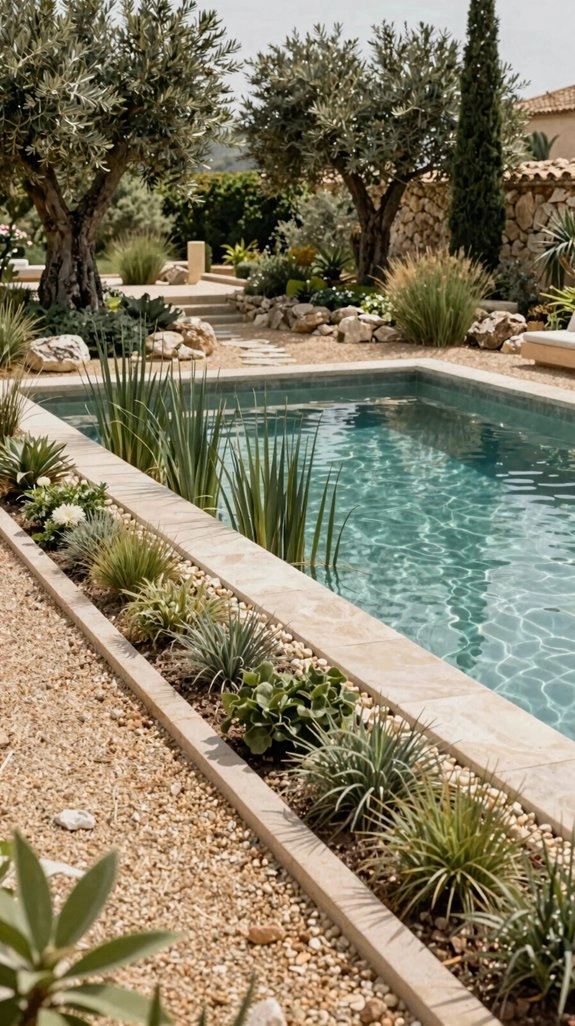
What keeps a chlorine-free pool fresh and inviting? Water moves continuously through a separate regeneration zone, where gravel, sand, and helpful bacteria break down organic debris. That’s the biofilm basics at work!
A skimmer grabs leaves, while a fine sieve catches smaller particles before circulation, giving your living filter an easier job.
Aquatic plants absorb nitrogen and phosphates, then release oxygen that supports microbes. This nutrient cycling helps limit algae naturally.
Your pool’s pH usually stays around 5.5–7.0, slowing unwanted growth.
Don’t worry if the water shows a gentle green tint; seasonal plant balance can matter more than glassy clarity. Pretty cool, right!
Is a Natural Pool Right for You?
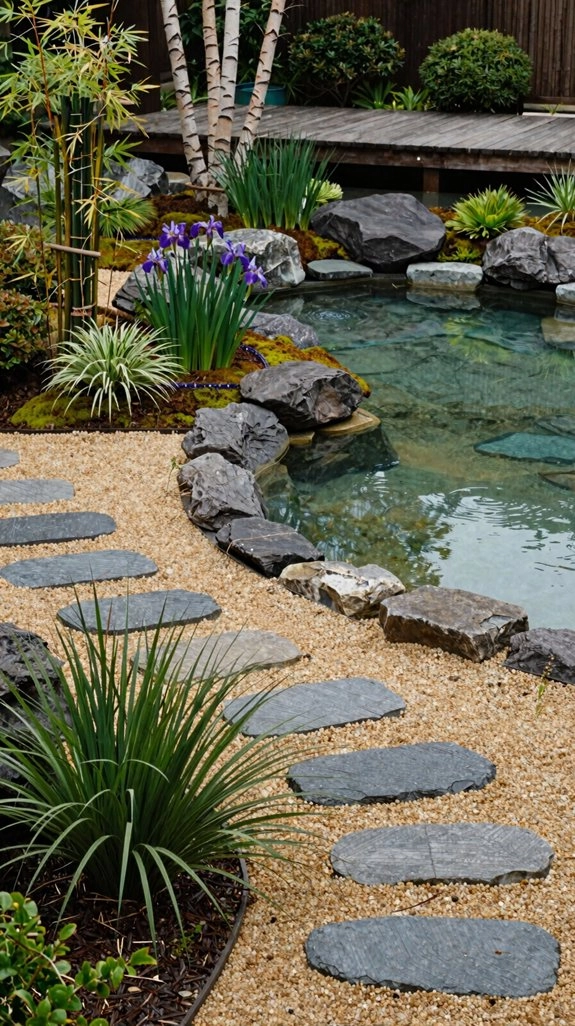
After learning how biology keeps the water fresh, it’s time to ask whether a natural pool fits your backyard—and your daily routine.
Exciting, right?
Start with a site suitability check. You’ll need room for a planted regeneration zone, often 30–70% of the total area, plus four to six feet of swimming depth.
Consider these questions:
- Can your yard support the extra space?
- Will you enjoy natural-looking water?
- Can you skim, brush, and trim plants monthly?
- How will you protect pipes during freezing winters?
Include budget planning considerations for heating, covers, and seasonal care.
The biggest surprise? You’ll join a slower, living ecosystem—one that rewards patience!
Natural Pool vs Traditional Pool
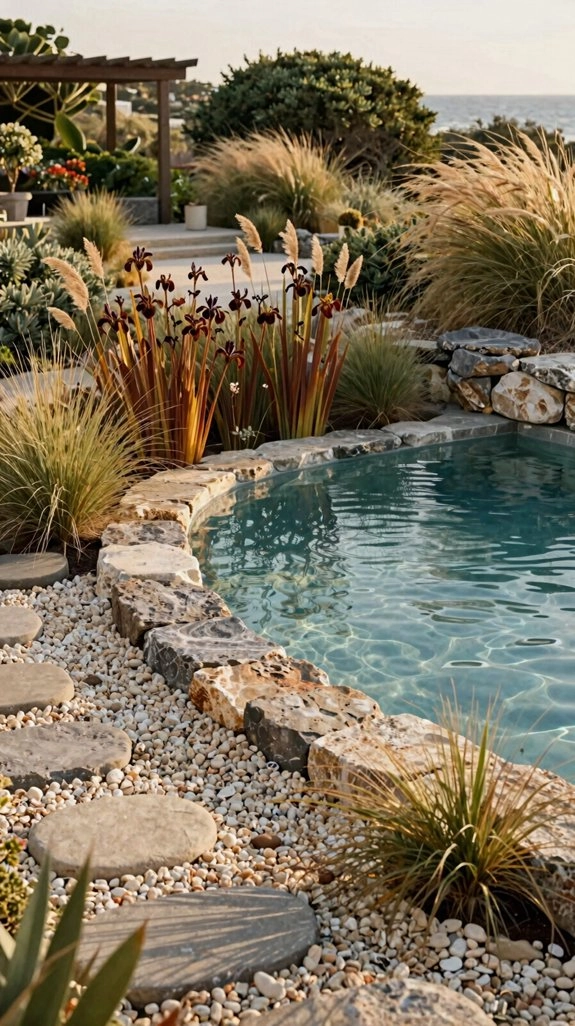
Choosing between a natural pool and a traditional pool comes down to whether you’d rather work with nature or manage water chemistry!
With a natural pool, you swim beside a planted regeneration zone.
Gravel, sand, plants, and helpful bacteria circulate and clean the water, while plants absorb algae-feeding nutrients and release oxygen.
Your routine focuses on skimming leaves and trimming growth—refreshingly simple!
A traditional pool keeps things clear through chlorine, testing, and chemical adjustments.
Natural pools offer chlorine alternatives and a wetland-like feel, but they need extra space because the filter zone may rival the swimming area.
Common Misconceptions
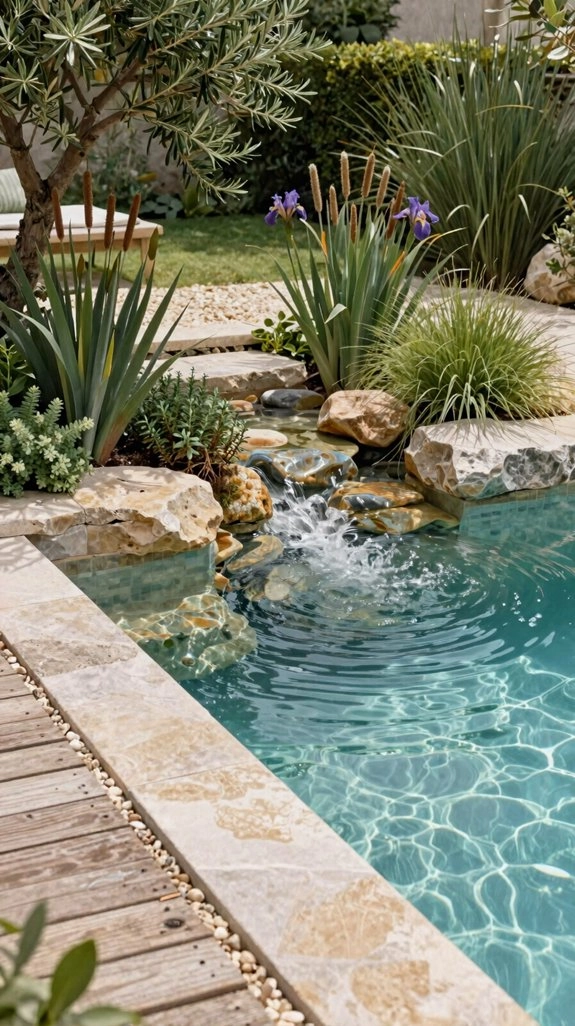
Natural pools aren’t just ponds with a classy name—they’re carefully designed systems with a dedicated regeneration zone, usually taking up about 30–70% of the total pool area. Gravel, sand, roots, and helpful bacteria work together, so you’re joining an ecosystem, not skipping science!
Here are common misconceptions:
- Algae myths: Greenish water can appear while the ecosystem settles, sometimes for seasons.
- Filtration myths: Pumps move water through skimmers and the biofilter continuously.
- Chlorine-free doesn’t mean maintenance-free; you’ll skim debris and trim plants.
- Clear water isn’t guaranteed immediately; balance takes patience.
Good news: biological chemistry, including controlled pH, keeps conditions healthier. Welcome to the natural-pool community!