Slug Damage on Plants and the Best Ways to Stop It
- Slug Damage on Plants and the Best Ways to Stop It
- Key Takeaways
- How to Identify Slug Damage
- Plants Slugs Love Most
- When Slugs Are Most Active
- Why Slugs Thrive in Damp Gardens
- Natural Slug Control Methods
- Copper Barriers
- Beer Traps
- Hand Picking
- Pet-Safe Slug Control Options
- Preventing Future Slug Problems
- Common Slug Control Mistakes
Spot slug damage by ragged, rasped leaf holes, shiny slime trails, and seedlings nibbled overnight—especially lettuce, hostas, and strawberries. They love cool, wet gardens, so check with a flashlight after dusk. Start simple: remove damp debris, set beer traps, or lay wet cardboard down and collect hiding slugs each morning. For a stronger pet-safe fix, use ferric phosphate pellets and continuous copper barriers. Keep going for more easy ways to protect your plants!
Key Takeaways
- Identify slug damage by ragged, rasped leaf holes, missing seedlings, shiny slime trails, and white jelly-like eggs under debris.
- Check plants after dusk or early morning, when slugs feed most actively in cool, damp conditions.
- Protect vulnerable seedlings and pots with continuous copper tape, mesh barriers, or horticultural fleece.
- Reduce hiding places by removing mulch piles, weeds, leaf litter, and excess moisture around planting beds.
- Use hand-picking, beer or refuge traps, ferric phosphate pellets, or nematodes for pet-safer slug control.
How to Identify Slug Damage
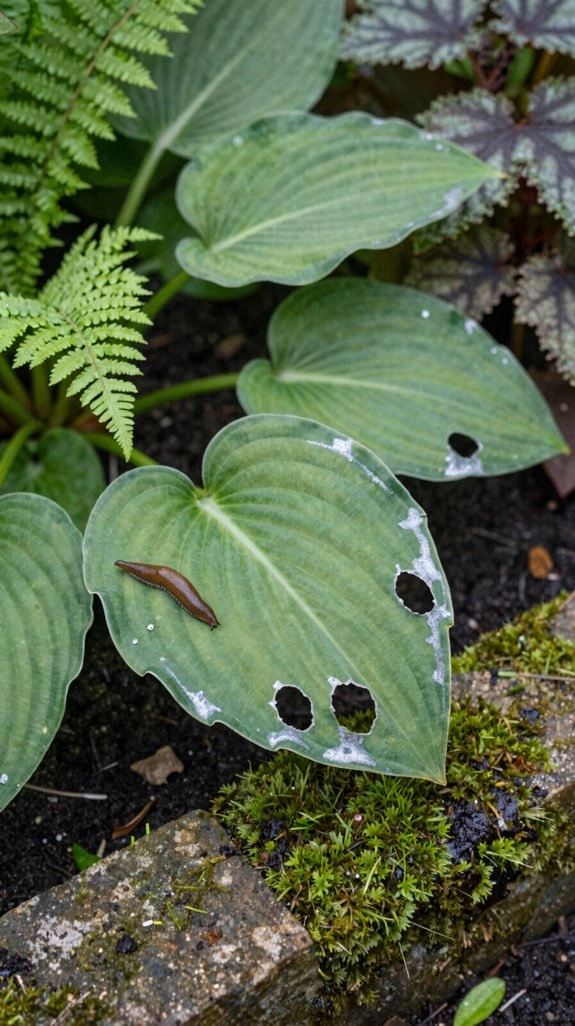
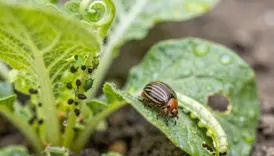
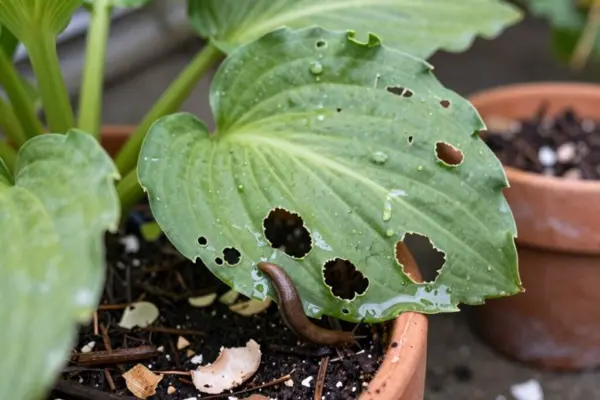
Slug damage has a messy, chewed-up look that’s hard to miss once you know what to watch for! You’ll see ragged holes and uneven notches along leaf edges, with a smooth, rasped finish instead of neat bites.
For a quick leaf symptomatology comparison, check plants in the morning. Overnight missing leaves, especially on soft new shoots, often point to these sneaky night diners!
Next, look for diagnostic slime trails on leaves, soil, pots, or boards. They gleam when fresh, then dry into a thin, clear film.
Want stronger proof? Check under mulch or debris for white, jelly-like egg clusters—or join fellow gardeners on a nighttime flashlight patrol. You might catch the whole slimy crew!
Plants Slugs Love Most
Once you spot those telltale slime trails, look closely at what’s getting eaten—slugs usually go straight for the softest, youngest growth!
You’re not alone; they’re picky little buffet critics!
- Tender seedlings: lettuce, beans, peas, and young cabbage can vanish overnight, with cotyledons nibbled to stubs.
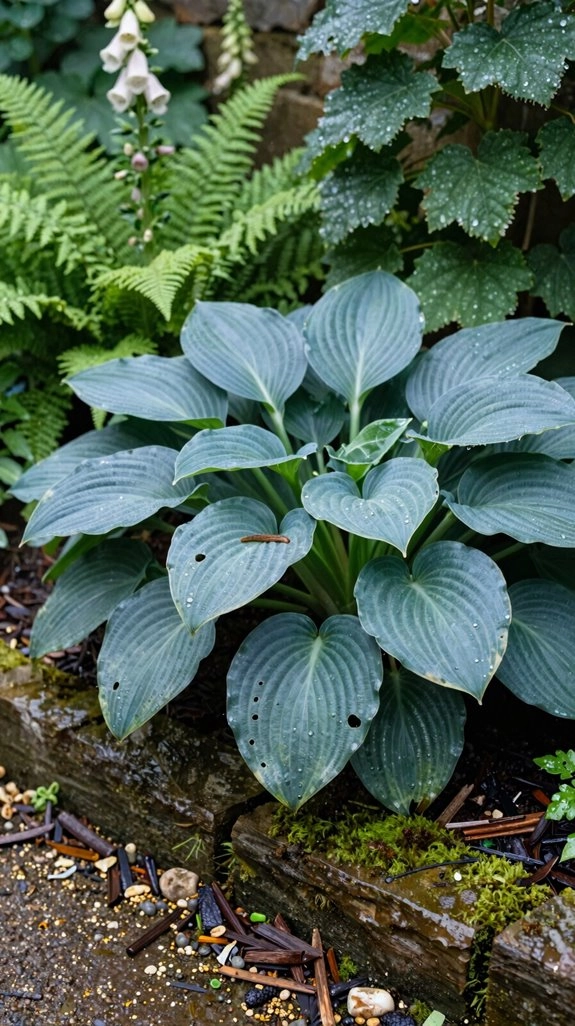
- Soft-leaved favorites: strawberries, young corn, dahlias, and attractive hostas offer thin, juicy leaves slugs adore.
- Slow starters: newly planted transplants struggle most, especially in cool, damp spring soil, because slugs can hollow out seeds before roots settle in.
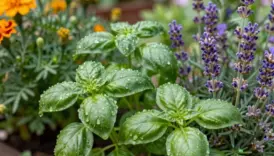
Meanwhile, lavender, rosemary, and agastache usually get a pass—their tough, scented leaves aren’t nearly as tempting!
When Slugs Are Most Active
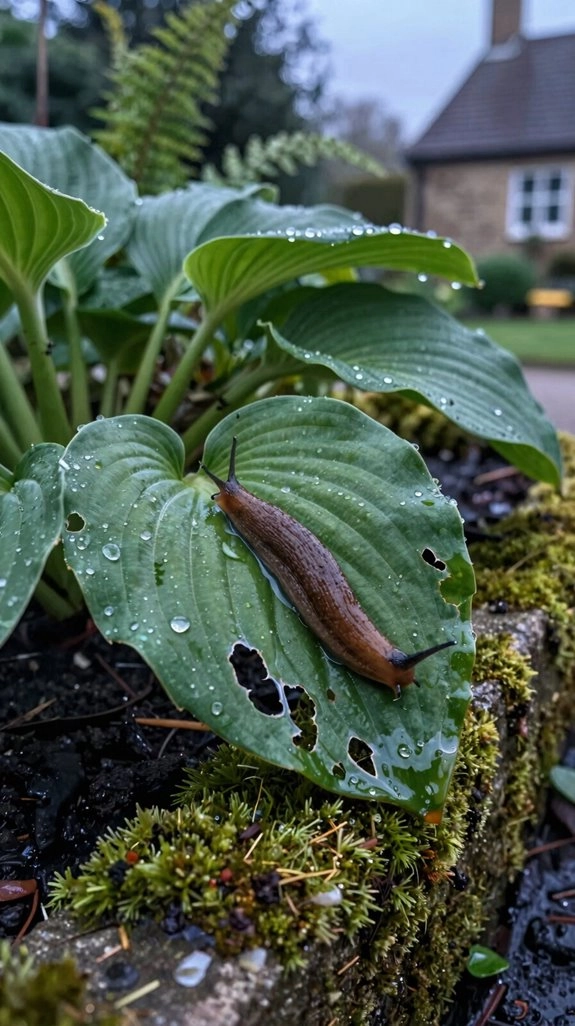
Most often, you’ll find slugs on the move after dusk, when the garden cools down and dew or rain makes every surface slick—prime slime-trail weather! Watch for night activity a few hours after sunset, especially around seedlings and fresh, tender leaves.
You’re not alone if damage seems to appear overnight—those quiet munchers can travel about 25 feet an hour when conditions are cool and wet. During hot, dry spells, they mostly disappear from view.
Seasonal peaks arrive in spring and autumn, when mild temperatures and moisture line up. After a mild winter, expect extra young slugs in spring—an unwelcome garden reunion!
Why Slugs Thrive in Damp Gardens
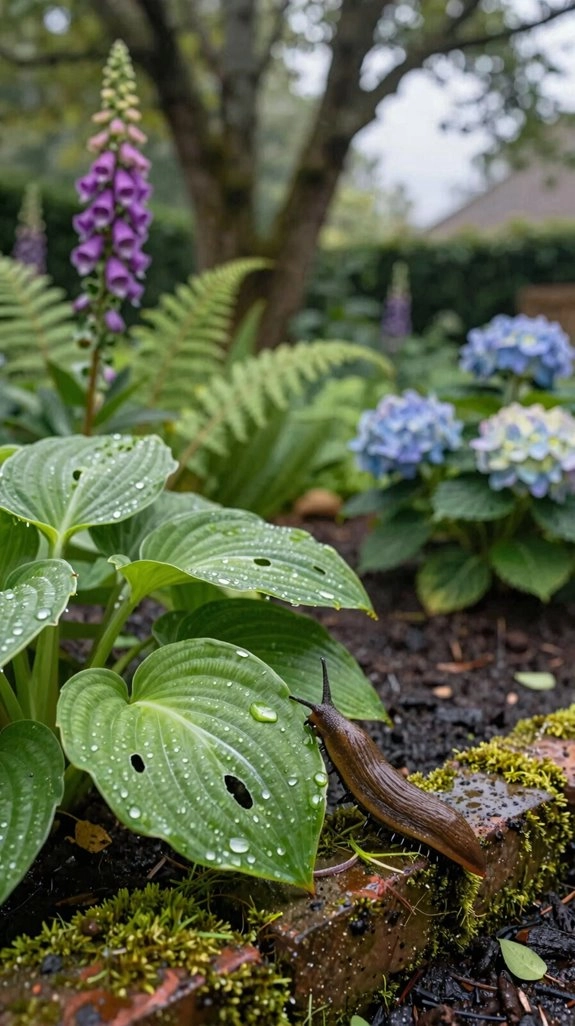
Damp gardens are practically a slug spa—cool soil, wet leaves, and plenty of shady places to hide! Your garden’s moisture gradients keep their soft bodies from drying out, so they feed longer after rain or heavy dew.
- Damp mulch feels like a cushy, humid blanket.
- Leaf piles and compost become shelter hotspots for daytime naps and egg laying.
- Poor drainage creates a soggy buffet zone around your plants.
You’re not alone if this sneaks up on you! Overwatering and broad overhead sprays extend their active hours.
Mild winters and wet springs can mean more survivors, more egg clutches, and—surprise—many more hungry slugs next season.
Natural Slug Control Methods
You can wrap pot rims with copper tape to make slugs think twice, though its results can vary.
Set a simple beer trap in the evening, then empty it in the morning—easy, cheap, and surprisingly effective!
For a no-fuss option, grab a torch after dark and hand-pick the slimy midnight snackers before they reach your seedlings.
Copper Barriers
A shiny copper strip can look like simple garden trim, but it may give hungry slugs a surprising stop sign!
- Wrap tape around a hosta pot’s rim.
- Band raised-bed edges, keeping copper continuous.
- Wipe off soil and leaves regularly.
When slime touches copper, it can create an unpleasant reaction, so slugs often turn away—no tiny electric fence uniform required!
Keep the rim above soil, or bury edges deeply, since gaps let determined pests sneak underneath.
Copper costs more than many barriers, and trials show mixed results.
Still, your gardening crew can use it alongside other controls.
Avoid scattered scraps that may contribute to soil contamination; continuous maintenance helps it work.
Beer Traps
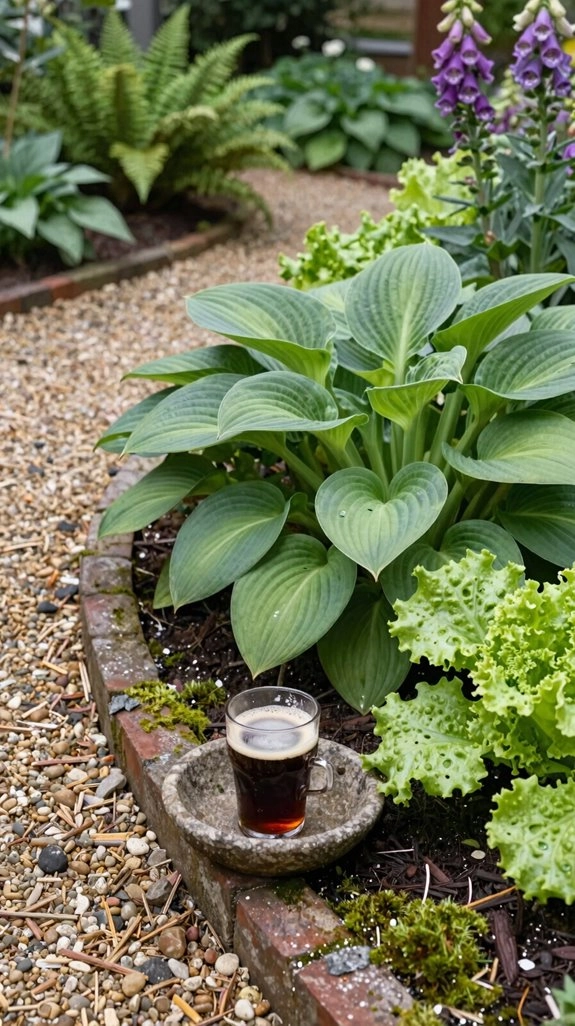
Beer traps can lure slugs in after dark with a yeasty scent they can’t seem to pass up—tiny pub night for pests, unfortunately!
For easy trap placement, sink a shallow takeaway container near the edge of your border, leaving a small rim above soil. Half-fill it with cheap beer; pub slops may be free—score!
Check it daily, refresh stale or rainwater-diluted brew, and empty catches carefully so beneficial beetles don’t join the unhappy guest list. A loose cover can limit collateral lures and smells.
The beer aroma helps reduce slug numbers, but it’s a team effort: pair traps with tidy, less-sheltered beds for better results.
Hand Picking
Often, the quickest way to ease slug damage is a torch, a pair of gloves, and a short night-time patrol—strangely satisfying, too!
Join fellow gardeners in night collection about two hours after dusk; you might gather hundreds!
- Patrol: Check under pots, saucers, timber, and debris. Clear hiding places so predators can help.
- Dispose: Wear gloves, then use boiling water or a sealed jar. Don’t use salt—it hurts soil.
- Set refuge traps: Lay cardboard, black plastic, or grapefruit halves down. Lift them each morning for an easy harvest!
Focus on spring and fall, keep soil drier, and remove weed piles.
Your seedlings will breathe easier!
Pet-Safe Slug Control Options
Keeping slugs off your plants doesn’t have to put curious pets at risk—great news!
Try pet friendly pellets made with ferric phosphate; they’re organic-approved and far safer around pets, birds, and wildlife.
For a no-cost DIY option, place damp cardboard, black plastic, or upside-down grapefruit shells near plants.
Check them each morning, collect the hiding slugs, and dispose of them.
Easy!
Copper bands around pots and horticultural fleece over raised-bed soil add protection without poisons.
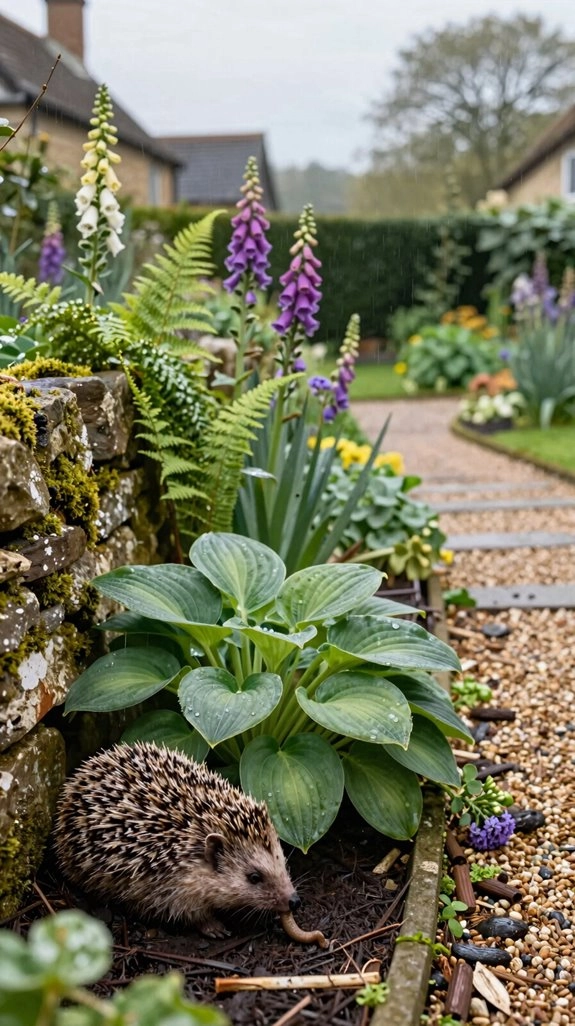
You can also use predator encouragement: welcome birds, frogs, toads, hedgehogs, or supervised ducks and hens.
For stubborn infestations, pet-safe NemaSlug nematodes work in soil, though you’ll need to reapply every six weeks.
Preventing Future Slug Problems
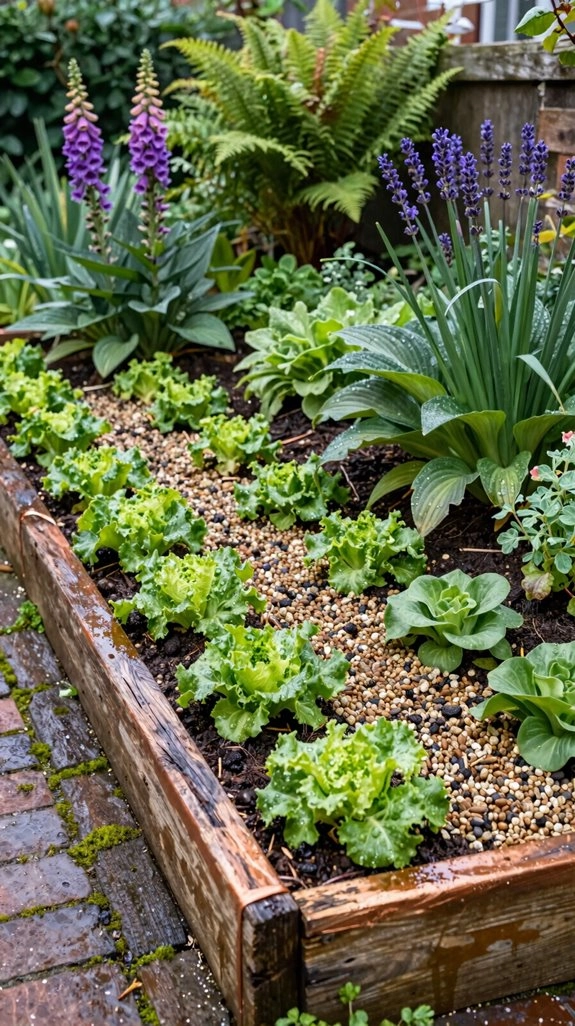
Preventing future slug damage starts with making your garden less cozy for these midnight munchers!
- Clear weeds, leaves, and debris 5–10 feet from beds. Choose mulch alternatives, like gravel, to keep the ground drier.
- Plant when soil warms, so seedlings sprint ahead. Use copper bands, fleece, or mesh under pots for a simple shield.
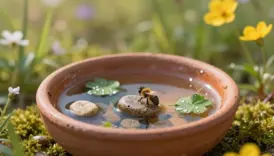
- Invite your garden crew! A small wildlife pond attracts frogs and newts, while ducks patrol like enthusiastic little security guards. For stubborn spots, try soil solarization, then apply nematodes in moist soil. Recheck barriers and treatments after heavy rain, and you’ll help your garden feel like a shared, slug-smart sanctuary.
Common Slug Control Mistakes
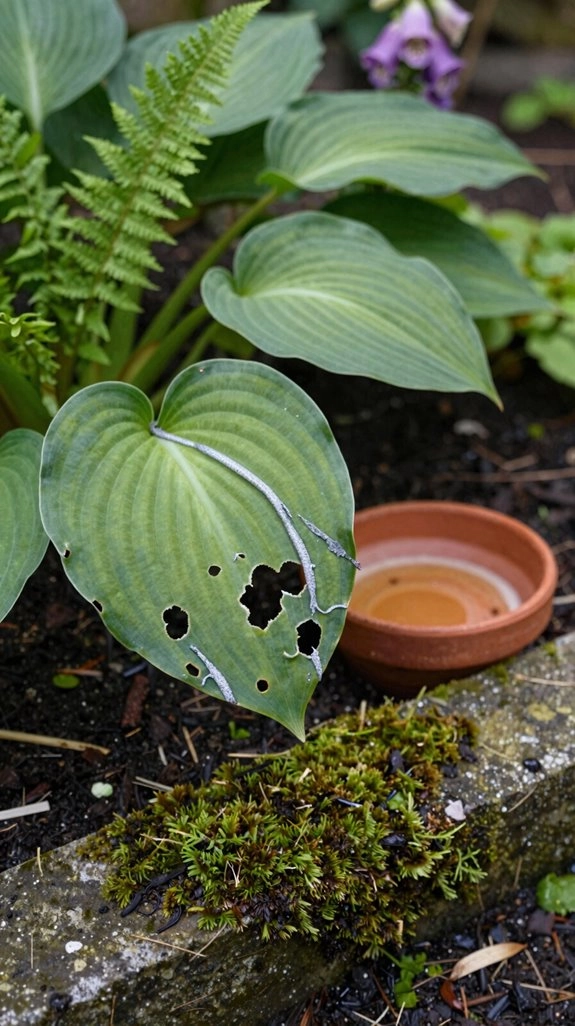
Slug control can feel like a midnight battle, but a few popular fixes don’t always work the way you’d expect!
Beer traps can lure in extra slugs and may catch helpful insects, so don’t rely on them alone.
Thin copper strips also disappoint; slugs may cross them, especially if bands aren’t installed correctly.
Skip old poisoned pellets, which can harm wildlife and encourage chemical resistance. Choose wildlife-friendlier ferric phosphate if needed.
For better garden aesthetics and results, clear damp mulch, fresh chips, and debris where slugs hide.
Nematodes help, but they’re costly and need repeating.
Your best move? Combine tidy beds, barriers, and targeted treatments—teamwork beats one-trick slug control!