Aphids on Plants How to Identify, Prevent, and Remove Them
- Aphids on Plants How to Identify, Prevent, and Remove Them
- Key Takeaways
- What Are Aphids
- How to Identify Aphids
- Winged vs Wingless Aphids
- Signs Your Plants Have Aphids
- Leaf Curling
- Sticky Honeydew
- Black Sooty Mold
- Plants Aphids Attack Most Often
- How Aphids Damage Plants
- Natural Ways to Get Rid of Aphids
- Spray with Water
- Insecticidal Soap
- Neem Oil
- Beneficial Insects That Eat Aphids
- How to Prevent Aphids from Returning
- Common Aphid Control Mistakes
Spot aphids by checking tender shoots and leaf undersides for tiny green, black, winged, or wingless bugs, curled leaves, and sticky honeydew. Blast clusters off with a firm water spray, then recheck in a few days—those little freeloaders multiply fast! Use insecticidal soap on cool mornings if needed, covering undersides well. Prevent returns by avoiding excess nitrogen, pruning curled growth, and welcoming ladybug and lacewing larvae. Keep going for smarter prevention tips.
Key Takeaways
- Identify aphids as tiny soft-bodied insects clustered on tender shoots and leaf undersides, often with winged forms appearing as colonies spread.
- Look for curled or puckered new leaves, sticky honeydew, sooty mold, and aphids hiding inside rolled leaves.
- Knock aphids off with a firm, plant-safe water spray, targeting stems and both sides of leaves.
- Use labeled insecticidal soap or neem oil for persistent colonies, covering leaf undersides and repeating every few days as needed.
- Prevent returns by checking new growth regularly, avoiding excess nitrogen, managing ants, and protecting ladybugs, lacewings, hoverflies, and parasitic wasps.
What Are Aphids
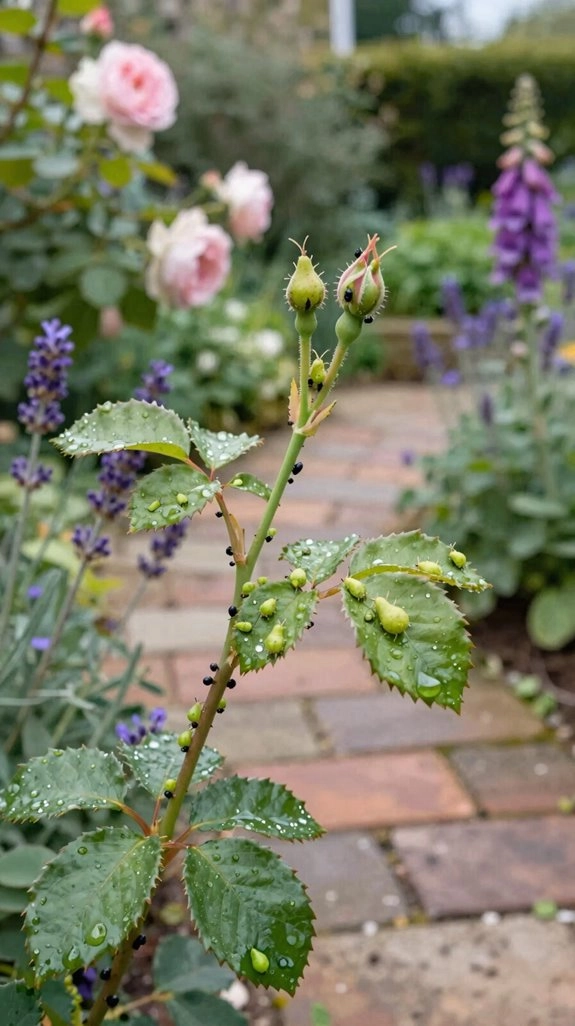
Aphids are tiny, sap-sucking insects—often called greenfly, blackfly, or “plant lice”—that gather on plants like an uninvited snack club. You’ll find these true bugs, usually just 1–7 mm long, using needlelike mouthparts to sip plant cells.
Their Host Plant Range is huge, so your garden, houseplants, and shared community beds can all attract them. They reproduce fast, too—wingless females produce live young, while crowded colonies send out winged movers.
Here’s the surprising part: Ant Life Interactions matter! Ants may protect aphids for their sweet honeydew, helping colonies grow. Aphids can also spread viruses and leave plants distorted or sticky.
How to Identify Aphids
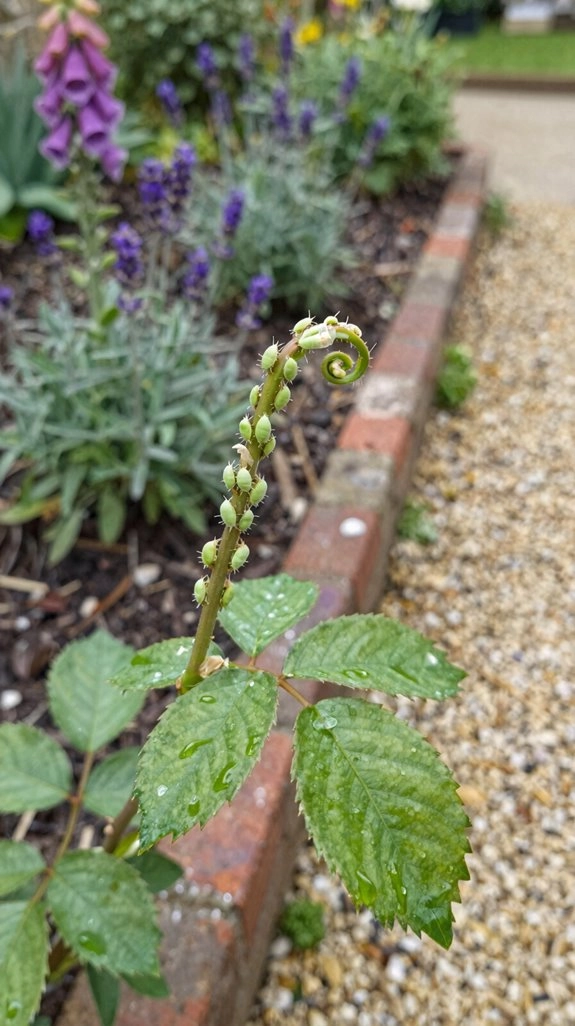
You may spot wingless aphids clustered on tender shoot tips and the undersides of young leaves, quietly sipping sap like tiny garden freeloaders.
Winged aphids look similar but have clear wings and may appear when a colony gets crowded or searches for a new plant.
Check both forms closely—finding a mix can reveal that the infestation is spreading!
Winged vs Wingless Aphids
At first glance, these tiny sap-suckers may all look alike, but their wings tell a useful story!
Wingless aphids usually form thick, stay-put patches on tender shoots and young leaf undersides, where they quickly produce live young.
Meanwhile, winged aphids fly when overcrowding, a fading host plant, or seasonal changes push them out.
Think of them as tiny moving vans—annoying, but informative!
Watch for individuals buzzing around, especially near the upwind garden edge.
Their arrival can explain sudden infestations on nearby plants.
These Seasonal dispersal travelers reveal colony stress signals, so you can check your plant family early and stop the spread together.
Signs Your Plants Have Aphids
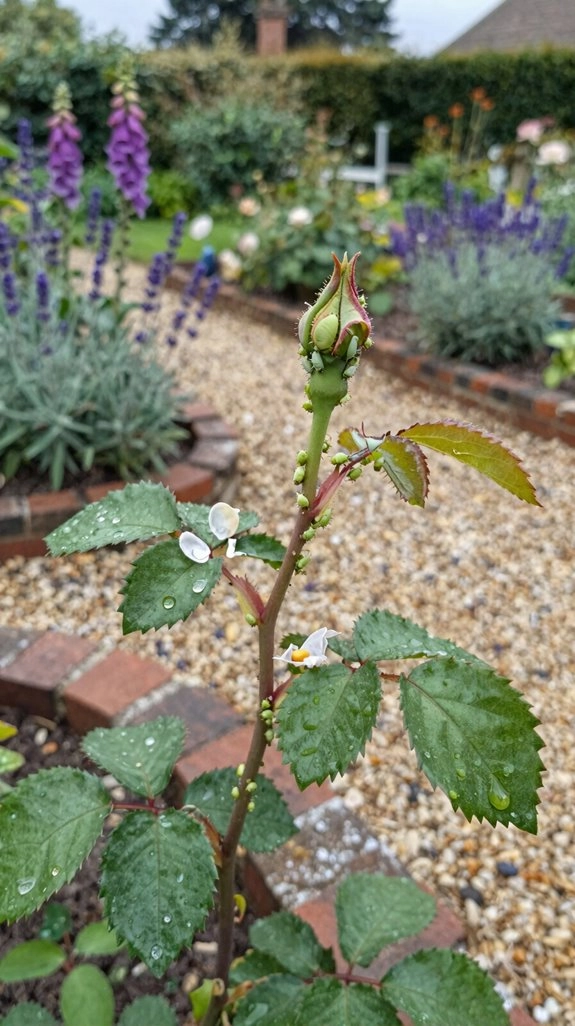
If your plant’s new leaves curl, twist, or look puckered, aphids may be feeding on the tender growth.
Check for sticky honeydew on leaves or nearby surfaces—it can feel like your plant spilled soda!
Watch for the biggest clue next: black, powdery sooty mold growing on that sticky residue.
Leaf Curling
Curled, twisted new leaves can be a big red flag for aphids! When you spot misshapen shoot tips instead of simple spots, turn leaves over and check the undersides for clustered pests and pale cast skins.
You’re not alone—aphids target tender growth, sucking sap as they move through their aphid life cycle. The damage makes leaves curl around them like tiny, unwanted fortresses!
Check often, especially on new growth. Natural predators may help your garden crew catch up, but heavy curling means colonies can hide deep in the folds. Snip off badly curled stems with clean pruners, then discard them away from your plants.
Sticky Honeydew
That shiny, sticky film on leaves isn’t morning dew—it’s often aphid honeydew, a sugary waste aphids leave behind while they sip plant sap.
Feel the leaves gently: if they’re tacky, check soft shoot tips and younger leaf undersides, where aphids love to gather.
You may spot tiny white cast skins, too—little clues your plant’s uninvited guests are active!
Don’t confuse it with Alternative pest residue.
Watch for ants marching nearby; ant aphid farming is real, and they’ll protect aphids for this sweet snack.
Leaf stippling patterns can add another clue.
Best proof? Fresh honeydew means aphids are feeding now, so your plant needs your help!
Black Sooty Mold
When sticky honeydew sits on leaves, it can become a black, dusty-looking coating called sooty mold—yep, your plant may look like it lost a fight with a chimney!
You’ll first notice shiny, tacky leaves, then dark grime beneath young leaves and around shoot tips.
Check for aphid clusters, shed skins, and busy ants, which protect aphids and limit Natural predators.
Wipe the mold with a damp cloth, but remember: cleaning doesn’t remove the honeydew source.
For better plant health, inspect tender growth and encourage ladybug attraction with nearby flowers.
Strong systemic resistance starts with healthy care, and mummified aphids can reveal helpful wasps already on your team!
Plants Aphids Attack Most Often
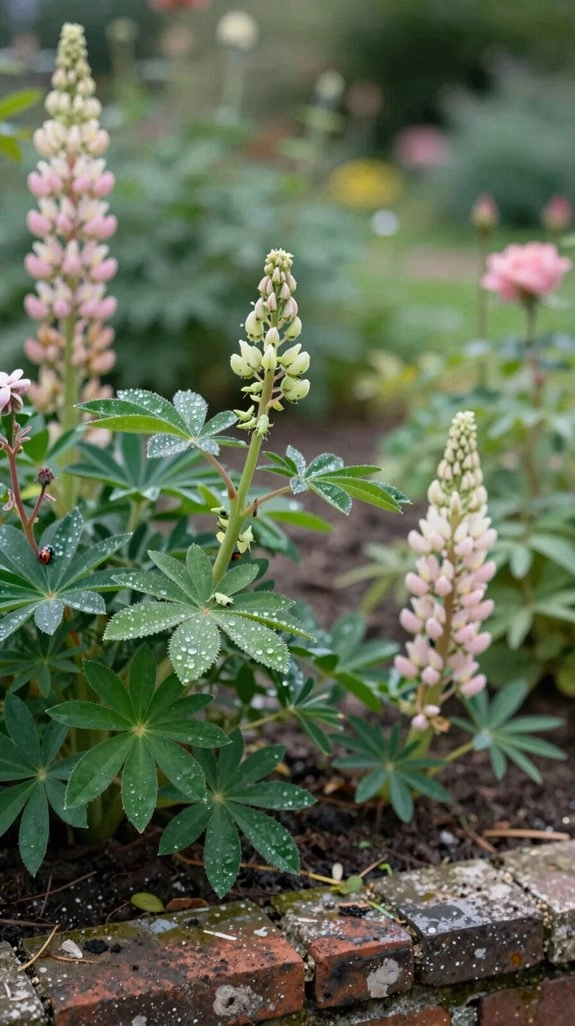
Aphids happily crowd onto many favorite garden plants, especially roses, apples, crape myrtles, tulip trees, and flowering plums, where they gather around soft new shoots like tiny, uninvited picnic guests.
Your vegetable patch can join the party, too! Check tender buds, shoots, and the undersides of young leaves, especially along the upwind edge or near matching infested plants.
These Aphid Host Plants often draw Seasonal Infestations when fresh growth appears.
Go easy on nitrogen fertilizer; it creates the lush, soft growth aphids love.
Turn over curled leaves during your garden walk—some woolly aphids can even masquerade as mealybugs or scale.
Sneaky little look-alikes!
How Aphids Damage Plants
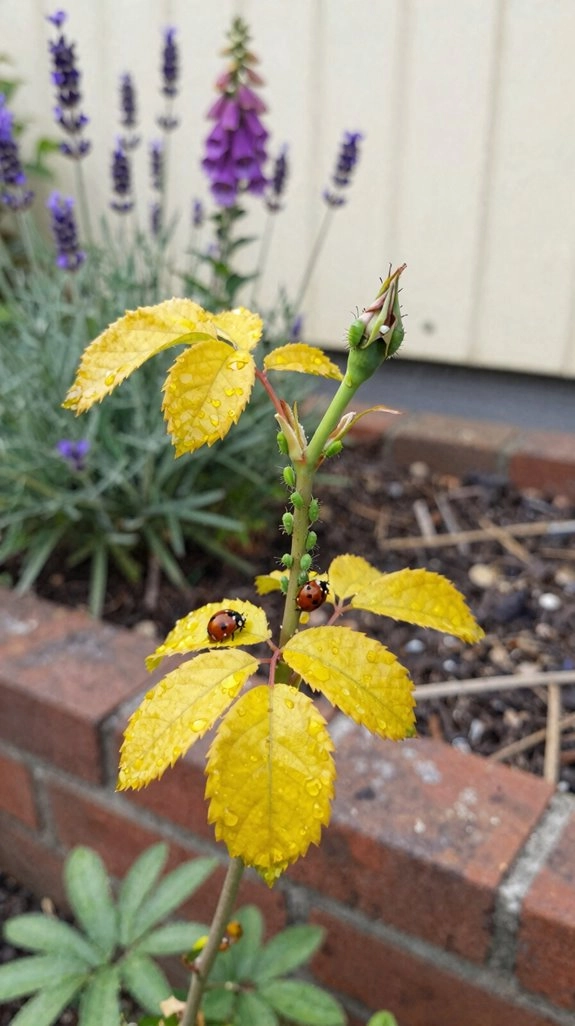
Tiny clusters on fresh shoots can cause surprisingly big trouble, because aphids pierce tender plant tissue and sip the sugary sap inside. As their colonies grow, you may see curled leaves, warped buds, and weak new stems. These Aphid feeding impacts add up fast, causing nutrient depletion that slows healthy growth.
Then comes the sticky mess! Honeydew coats leaves and stems, invites ants, and can grow black sooty mold. You might also spot tiny white cast skins, like aphid confetti.
Most established plants won’t die, so don’t panic. Still, some aphids spread plant viruses, making early attention important for every gardener in your plant-loving crew.
Natural Ways to Get Rid of Aphids
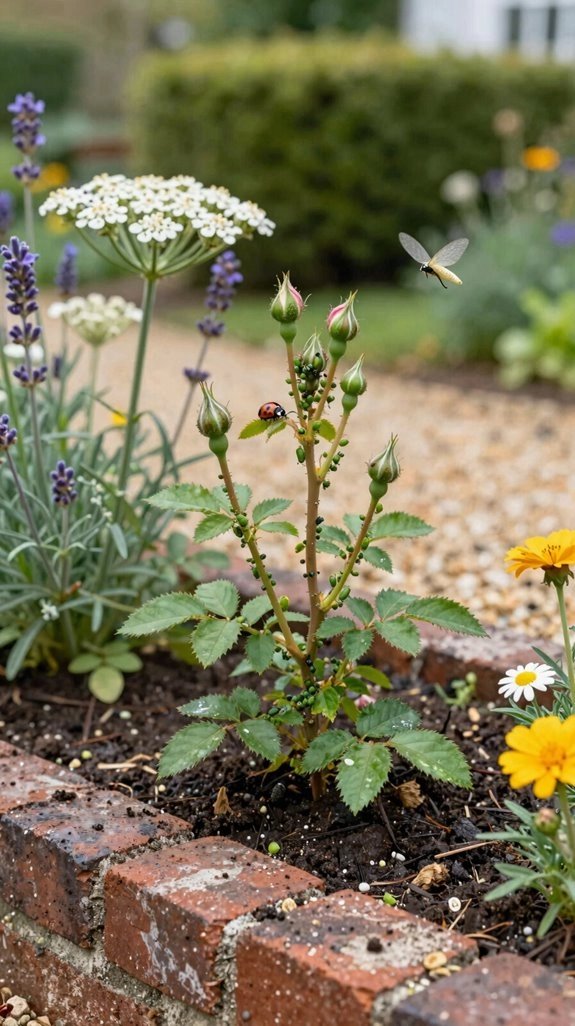
Start by blasting aphid clusters from both sides of the leaves with a plant-safe stream of water—simple, free, and surprisingly satisfying!
If they hang on, you can spray insecticidal soap according to the label, making sure it reaches the hidden undersides where these tiny pests like to party.
For stubborn repeat visitors, neem oil offers another natural option, but test it on a small area first and avoid spraying in hot sun.
Spray with Water
A firm spray of plain water can send aphids tumbling right off your plants—no elaborate supplies, no mixing, and no tiny bug wrestling required!
Grab a hose nozzle or spray bottle, then use a stiff stream that dislodges pests without bruising leaves or snapping stems.
Focus on leaf underside targeting, where aphid colonies often gather like uninvited party guests.
Check your angles and respray missed pockets.
For badly covered plants, briefly soak damaged areas with a sprinkler-style spray.
Here’s the teamwork trick: follow a repeat knockout schedule, spraying again as new aphids appear.
They multiply fast, but steady coverage helps your garden crew keep their numbers down!
Insecticidal Soap
When a water spray needs a little backup, insecticidal soap offers a simple next move!
Mix and use a labeled product as directed, then coat aphids thoroughly, especially beneath leaves where they gather like tiny freeloaders.
Spray in early morning or cool evening for plant safety, and skip drought-stressed plants or days above 90°F.
This isn’t a noncontact application: soap smothers only the aphids it touches, so careful coverage matters.
Check plants again in a few days and repeat if newcomers appear.
Use only what you need, though—soap can harm helpful insects, too.
Your garden crew will thank you!
Neem Oil
Neem oil gives you another natural option for aphid control, and it works best as a direct-contact spray—not as a magic plant potion that travels through every leaf!
- Mix neem oil with water and a little soap, following the label.
- Spray infested stems and leaf undersides in early morning or evening.
- Skip hot days above 90°F; your plants can burn, yikes!
- Recheck in a few days and repeat for live colonies.
You’re not alone—leaf curling causes often include hidden aphids. Use honeydew removal tips, too: wipe sticky leaves with damp cloths.
Target only infested plants, since sprays can harm helpful bugs. Thorough underside coverage is the real secret!
Beneficial Insects That Eat Aphids
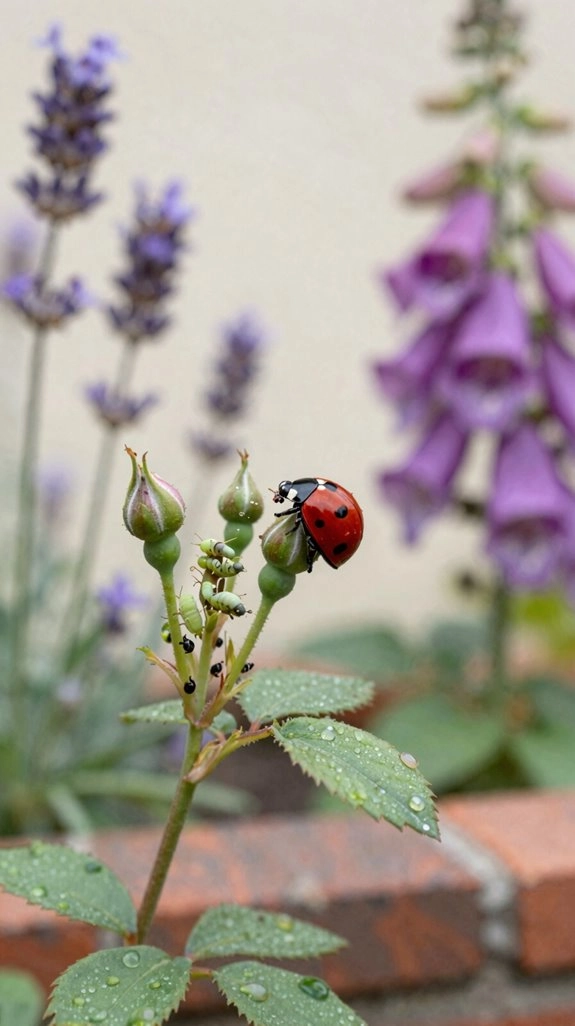
Tiny garden allies may already be hunting aphids on your plants, and they’re far more helpful than they look!
Ladybug behavior can seem sleepy in adults, but their hungry larvae devour aphids like tiny alligators.
Green lacewing larvae do, too!
Keep an eye out for hoverfly and soldier beetle larvae; seeing them means your garden crew is working.
Skip broad-spectrum sprays so these neighbors can stay on the job.
Want to add reinforcements? Lacewing releases are easy: buy eggs or larvae, then place them near aphid clusters.
For lady beetles, release them at dusk after chilling the container briefly.
Best surprise: golden-brown aphid “mummies” signal parasitic wasps are winning!
How to Prevent Aphids from Returning
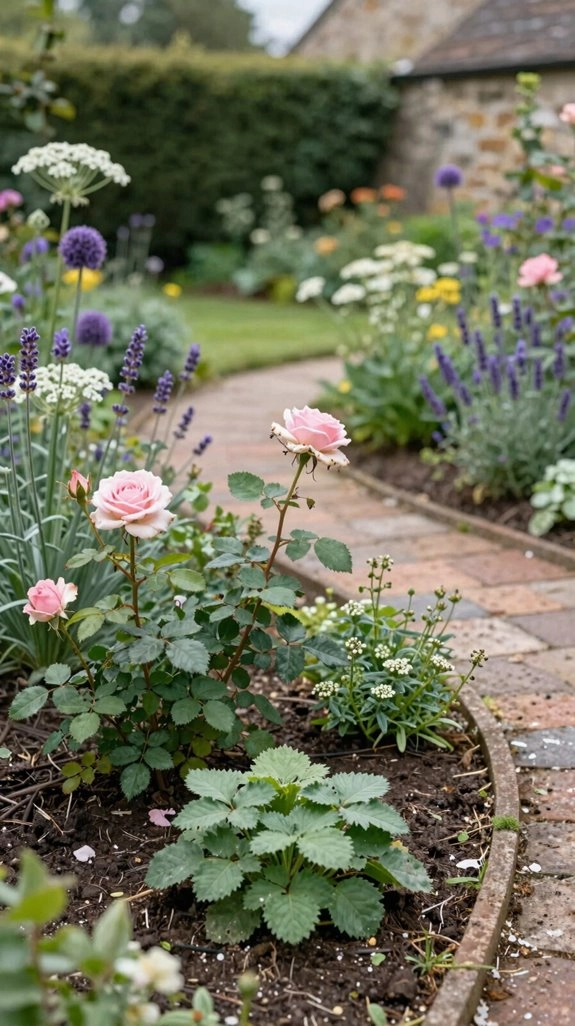
Your beneficial insects can help keep aphids in check, but a few smart habits stop the next outbreak before it starts—yes, really!
- Monitor regularly: Check tops and undersides of new leaves, then prune curled, crowded leaves early. Tiny pests love hideouts!
- Feed gently: Skip excess nitrogen and choose slow-release fertilizer, so plants don’t produce extra-tender aphid snacks.
- Build your crew: Use Crop rotation, flowering herbs, and groundcovers to welcome natural enemies. Avoid pesticides that send helpers packing.
- Try the surprise fix: Do winter cleanup, reduce ants with sticky bands, and add row covers or yellow traps. You’ll break the ant bodyguard routine before winged aphids move in.
Common Aphid Control Mistakes
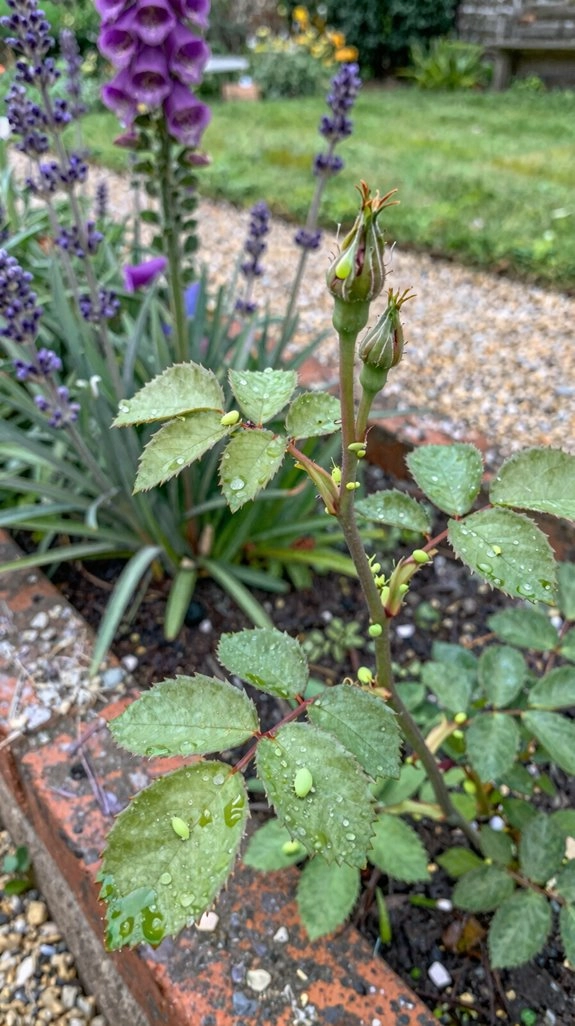
Even careful gardeners can make a few aphid-control slipups, and these fast-breeding little sap sippers take every missed spot as an invitation—rude, right?
Don’t stop after one soap spray or water blast. Check curled shoots and give underleaf coverage, then use targeted repeat sprays to catch new hatchlings.
Skip broad pesticides, too; they can harm lady beetles, lacewing larvae, and tiny helpful wasps that belong in your garden crew. Integrated pest care works better!
Also, don’t overlook ant management. Ants guard aphids like sugary little bodyguards, so interrupt their routes.
Finally, ease up on nitrogen fertilizer; tender new growth is aphid candy.