Best Flowering Plants for Shade That Bloom Beautifully All Season
- Best Flowering Plants for Shade That Bloom Beautifully All Season
- Key Takeaways
- Understanding Different Types of Shade
- Choosing Long-Blooming Shade Flowers
- Top Perennials for Shade
- Top Annual Flowers for Shade
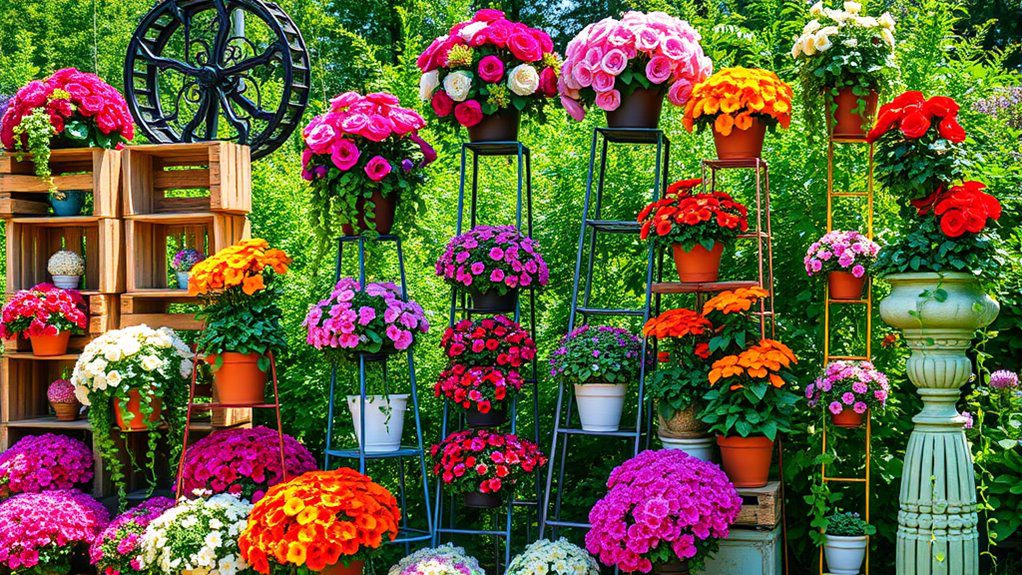
- Best Choices for Containers
- Best Choices for Garden Beds
- Combining Flowers for Season-Long Color
- Common Mistakes When Planting in Shade
- Keeping Shade Gardens Blooming
You can brighten shade all season by layering blooms: start with spring pulmonaria, add feathery August astilbe, then finish with late toad lilies. For easy color, tuck wishbone flowers or pansies into pots with moist, well-drained soil. Coral bells and hostas keep beds glowing between flower waves—no bare, gloomy corners! Match each plant to its sun hours, water at the base, and you’ll uncover even more shade-loving stars ahead.
Key Takeaways
- Match plants to shade level: full shade has under four sun hours, while partial shade receives four to six hours of direct sun.
- Torenia, or wishbone flower, blooms from early summer until frost and thrives in moist, shaded beds and containers.
- Layer bloom seasons with spring Pulmonaria, summer Astilbe, and late-blooming toad lilies for continuous color.
- Add coral bells and hostas for colorful foliage that keeps shaded gardens attractive between flowering periods.
- Maintain consistent moisture, good drainage, airflow, and regular deadheading to encourage longer, healthier bloom displays.
Understanding Different Types of Shade
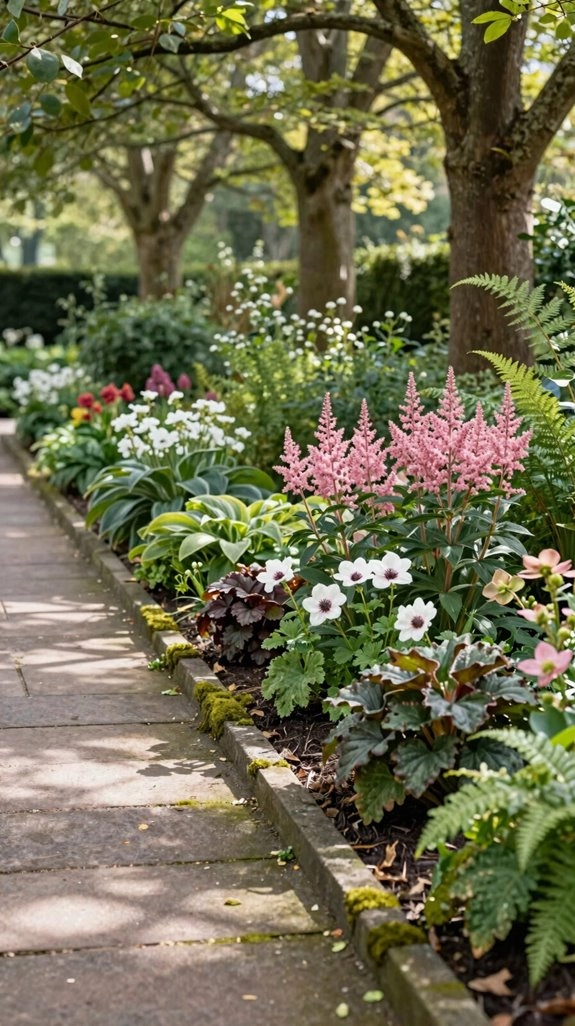
Before you pick a single flower, take a day to watch how sunlight moves across your yard—shade isn’t all the same! Your Microclimate assessment starts with simple sun pattern tracking: note where light lands morning, noon, and afternoon.
Light shade offers filtered rays through leaves, while partial shade gets 4–6 direct hours. Full shade receives under four hours, and deep shade gets none—tough, but not hopeless!
Check seasonal shade shifts and leaf coverage effects, too; a sunny spring corner may turn dim by summer.
You’re learning your garden’s personality, and that makes every choice feel like it belongs.
Choosing Long-Blooming Shade Flowers
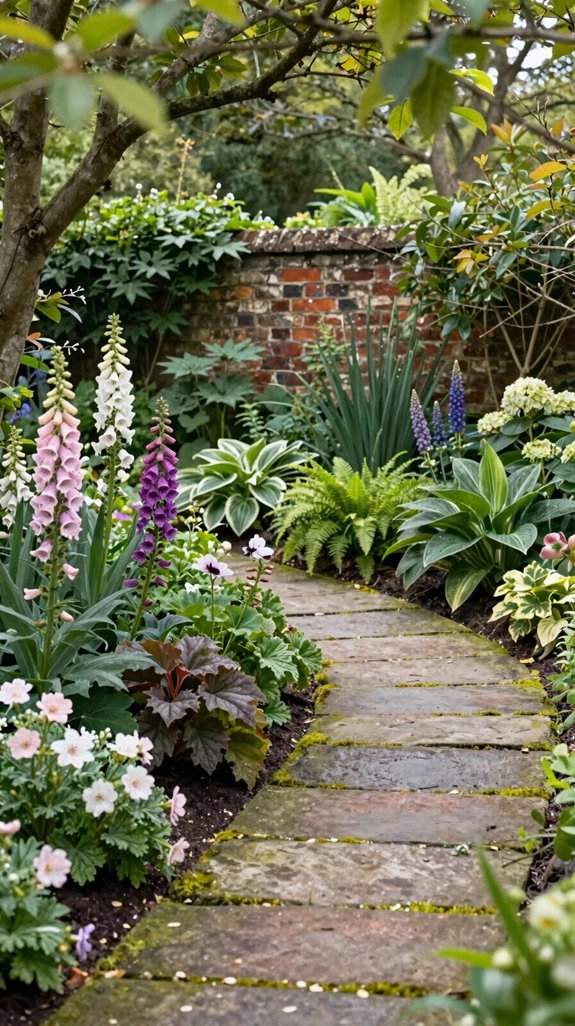
Now that you know where your shade falls, you can choose flowers that don’t just survive there—they’ll keep the color coming for months!
Match plants to your light level. In full shade, with under four hours of sun, Torenia can bloom from early summer to frost—what a team player!
Use Shade bloom timelines to pair spring Pulmonaria with August-blooming Astilbe.
For quiet, deep shade, add late-flowering Toad Lily ‘Alba’ to keep your garden’s welcome going.
You’ll get better results by deadheading, watering soil evenly, and keeping leaves dry.
When selecting repeat bloomers, look for long-display varieties like Patrinia villosa; it can overlap with asters and Japanese anemones.
Top Perennials for Shade
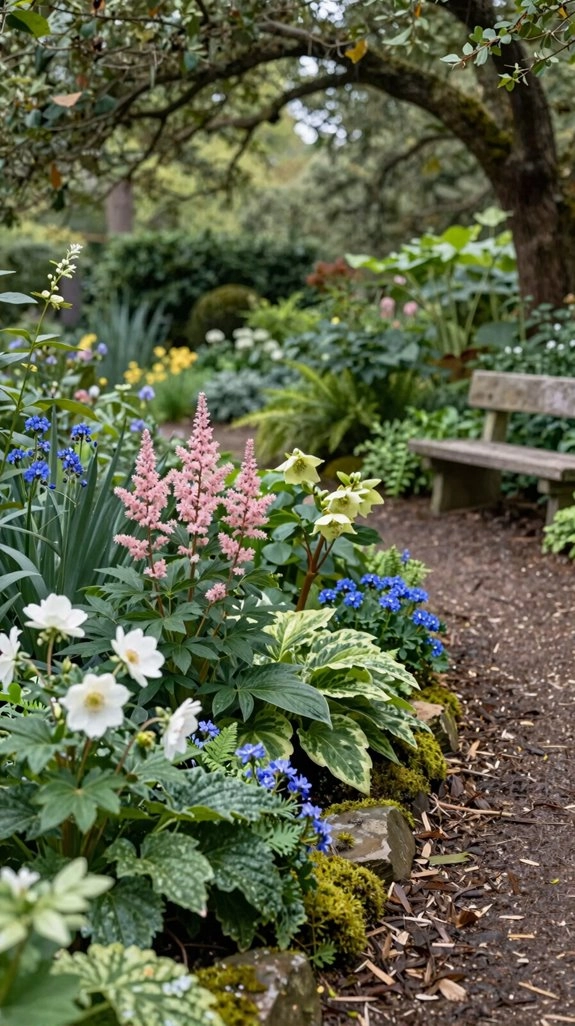
From bright foliage to surprise fall blooms, the best shade perennials give your garden color long after annuals start acting dramatic!
Start with coral bells, such as Primo® Peachberry or Wild Rose, for glowing leaves that welcome everyone in.
With good soil preparation, hellebores bring deep foliage and late-winter blooms, while dark-stemmed astilbe adds rosy-purple summer flowers.
Hosta ‘Party Streamers’ keeps the show going into late summer—nice, right?
Use gentle pruning techniques to tidy spent stems and help your bed feel cared for.
Then save room for the surprise: very-late toad lilies and Salvia ‘Autumn Enchanter’ can color your shared shade haven into fall.
Top Annual Flowers for Shade
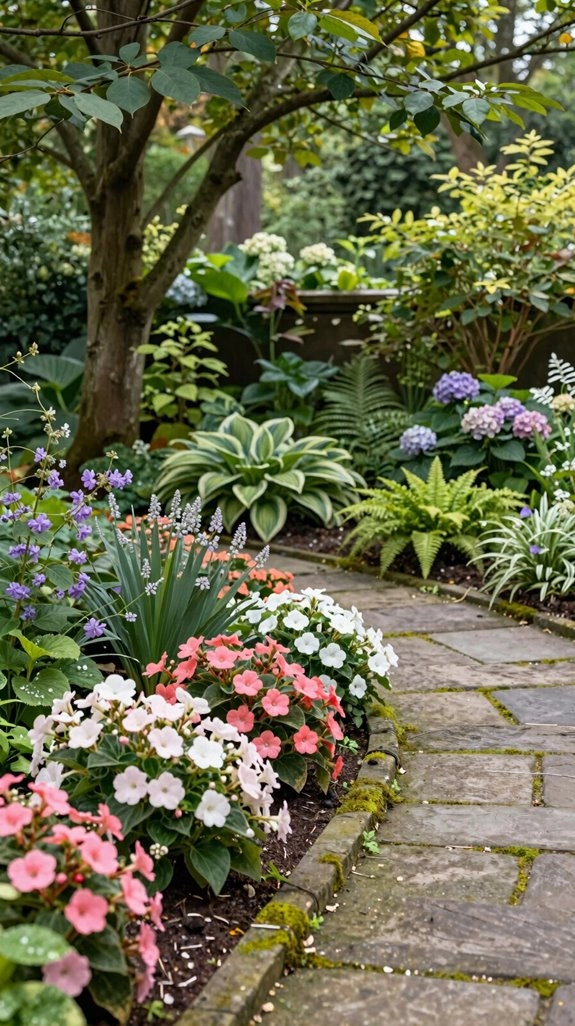
For easy containers, you can plant wishbone flowers or pansies, then enjoy bright blooms without a lot of fuss—score!
In garden beds, try fragrant annual phlox or cheerful Johnny Jump Ups, and match each plant to your shade level while keeping the soil evenly moist.
The real surprise? Johnny Jump Ups often self-seed, so they may return with a colorful little encore next season!
Best Choices for Containers
A shady porch or balcony can still burst with color—no sunbathing required! Use Shade microclimates mapping to spot your coolest, brightest corners.
- Plant wishbone flowers for lavender trumpets, yellow-throated and cheerful through frost.
- Tuck Johnny Jump Ups into pots for spring-to-fall faces that may self-seed—free encore!
- Fill gaps with double impatiens, creating soft, petal-packed color from late spring onward.
- Finish with compact pink begonias, the reliable star of your container crew!
Try Container drainage strategies: use pots with holes, rich well-draining soil, and compost. Water at the base when soil feels dry, never soggy, then deadhead spent blooms. Your little shade club will look wonderfully full.
Best Choices for Garden Beds
Even a garden bed that gets little direct sun can put on a colorful show! You’ll feel right at home mixing wishbone flowers, with lavender-and-purple trumpets, among cheerful Johnny Jump Ups that self-seed for returning color.
For warm-season sparkle, tuck in annual phlox; its bright clusters last longer where summers stay cool. Add compact pansies for months of blooms—and yes, you can nibble the edible blossoms!
Use soil amendment tips like compost in rich, well-draining soil, then try moisture retention strategies such as mulch. Water at the base, space plants for airflow, and deadhead faded flowers.
Your shady bed won’t be a wallflower!
Combining Flowers for Season-Long Color
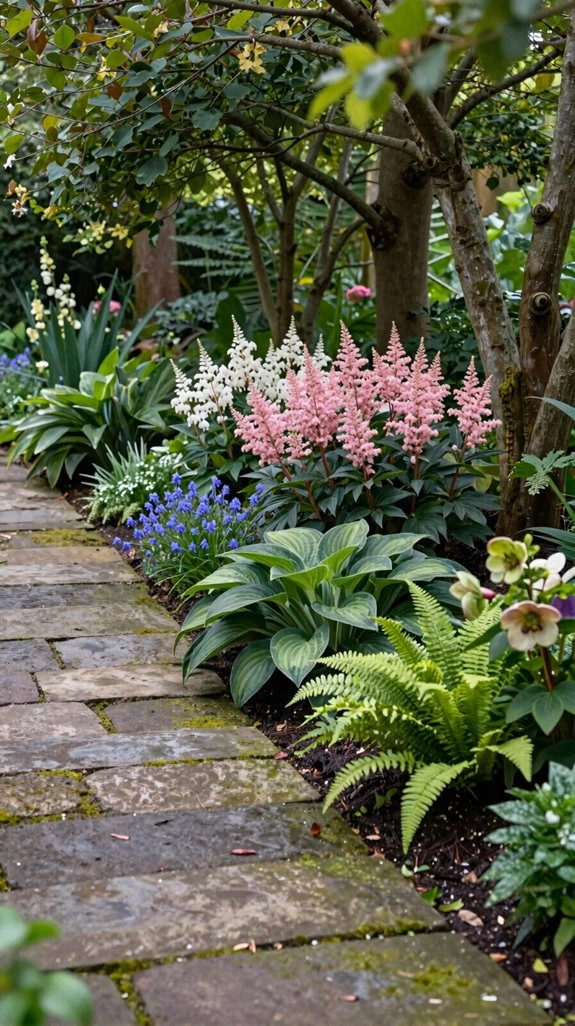
Season-long shade color starts when you mix plants with different bloom times, so one flower steps up just as another takes a bow—no bare, boring gaps allowed!
- Start Seasonal layering with Pulmonaria in spring, then let August Astilbe bring feathery color.
- Add Coral Bells for lasting foliage beside mid-summer Hosta Party Streamers.
- Use wishbone flowers and violas to bridge in-between weeks; they’re hardworking little teammates!
- Try bloom window planning: pair Dicentra ‘Alba,’ Astilbe, and ‘Autumn Enchanter’ for a shared garden finale.
In deep shade, Helleborus ‘New York Night’ and late-blooming white toad lilies create a surprise encore your whole garden crew will love.
Common Mistakes When Planting in Shade
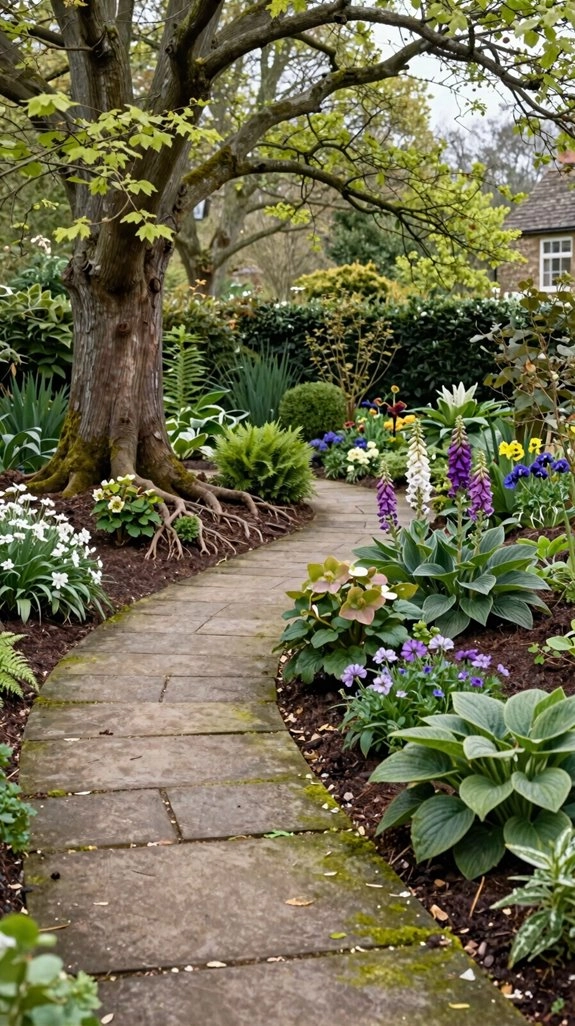
Shade planting can look easy at first—pick a pretty bloom, tuck it under a tree, and wait for magic—but a few small mistakes can leave you with thin flowers and sad, floppy leaves.
Don’t treat every shady spot alike: check light direction and hours, since full shade gets under four hours of sun, while partial shade gets four to six.
Next, test soil moisture.
Your plants want rich, well-draining soil with compost, not a swampy root zone—fungus loves that party!
Give your garden friends room, too.
Smart plant spacing puts tall plants behind shorter ones, easing airflow limits and helping every bloom catch available light.
Keeping Shade Gardens Blooming
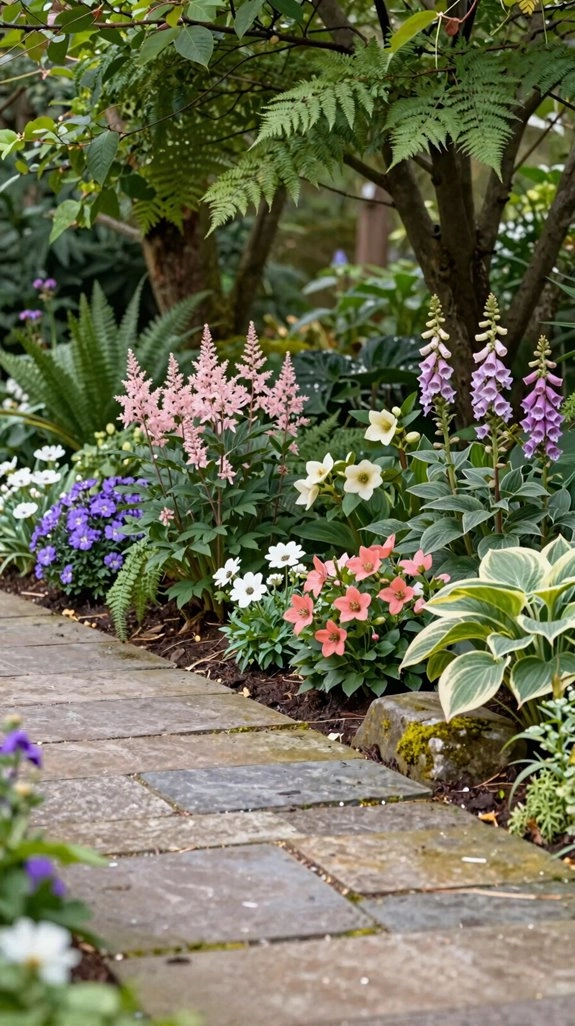
Your shade garden can keep putting on a flower show from spring through fall when you match each plant to the light it actually gets, then give it steady care—no soggy “wet socks” roots allowed!
- Watch your shade: deep, full, partial, or dappled sun changes bloom energy.
- Layer bloom times: Pulmonaria in spring, Astilbe and hosta in summer, then Toad Lily Alba or Autumn Enchanter Salvia.
- Practice soil moisture control: water at the base, keeping leaves dry and fungi away.
- Deadhead, trim crowding, and use pest prevention strategies.
Replace tired annuals, too—your shared garden crew will enjoy color without gap weeks!