Garden Pest Identification Every Home Gardener Should Know
- Garden Pest Identification Every Home Gardener Should Know
- Key Takeaways
- Why Pest Identification Matters
- Chewing vs Sap-Sucking Pests
- Identifying Damage Patterns
- Common Signs of an Infestation
- When to Take Action
- Natural vs Chemical Control
- Preventing Future Problems
Start by inspecting leaves, stems, and undersides: chewed holes, ragged edges, and pellet-like frass usually mean caterpillars, while curled yellow leaves, sticky honeydew, and sooty mold point to sap-suckers like aphids. Check crowns for borer holes and sudden wilting, too. You can handpick caterpillars or hose off aphids before spraying—easy, cheap, and bee-friendly! Correct ID matters because Bt targets caterpillars, not every garden bug. Keep going to spot more clues and choose safer fixes.
Key Takeaways
- Identify pests before treating by checking life stage, host plant, damage type, and signs such as frass, honeydew, or eggs.
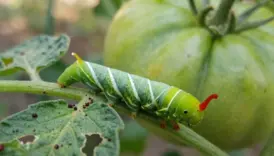
- Chewing pests leave holes, ragged edges, skeletonized leaves, and pellet-like frass; caterpillars are common culprits.
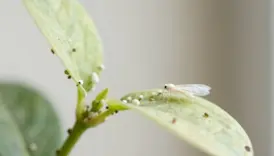
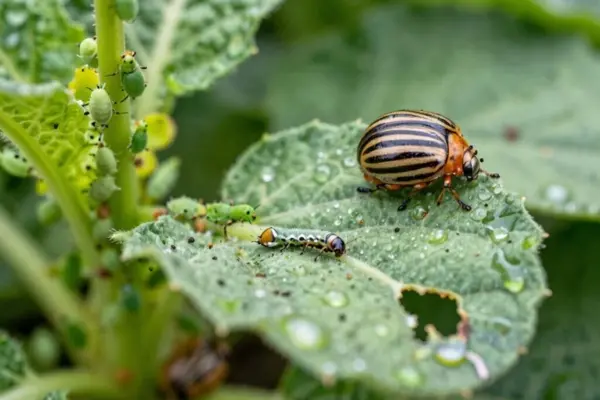
- Sap-sucking pests cause yellowing, curling, stunting, sticky honeydew, and sooty mold, often clustered beneath leaves or on stems.
- Inspect leaf undersides, stems, crowns, and fruit bases for hidden insects, borer holes, hollow stems, rot, or sudden wilting.
- Match controls to the pest: handpick caterpillars or use Bt, hose off aphids, and use soap or oil carefully for sap-feeders.
Why Pest Identification Matters
Before you reach for a spray bottle, take a close look at what’s happening in your garden—because the tiny suspect matters!
You’re part of a gardening community that protects plants without blasting every bug in sight.
Start with Life Stage ID: a caterpillar and its adult form can look like total strangers.
Then gather Host Plant Clues, plus visible signs such as holes, ragged edges, or frass—the tiny poop trail nobody invited!
When you identify the culprit, you can choose a targeted organic option, like Bt for the right caterpillars, instead of wasting money on overkill.
Better yet, you protect helpful insects and support IPM, using gentle steps first and noting what works.
Chewing vs Sap-Sucking Pests
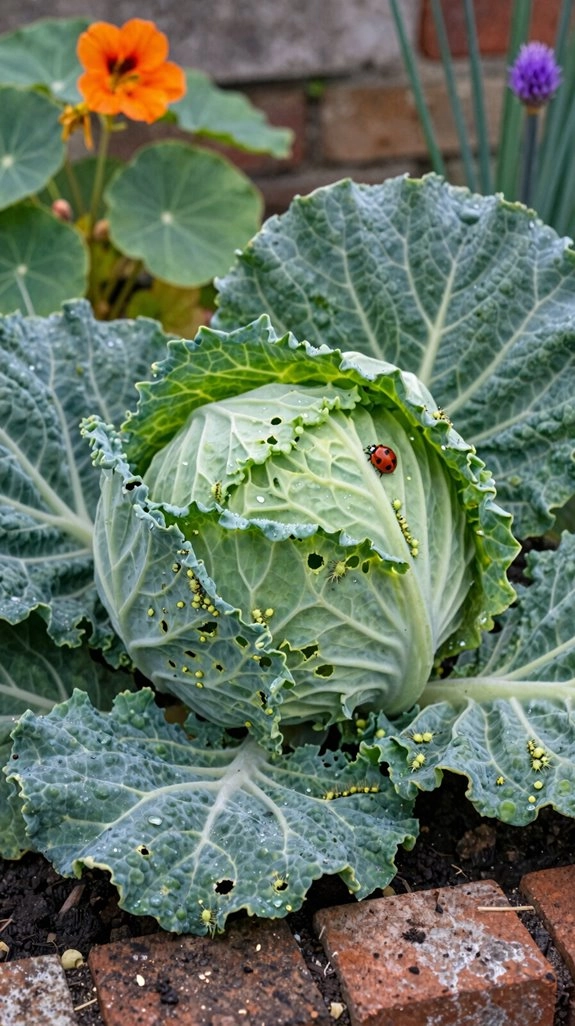
Sap-suckers pierce tissue and drain fluids, so you’ll notice yellowing, curling, stunted growth, or weak plants instead of bites.
Flip leaves: sticky honeydew, sooty mold, or soft insect clusters are major Leaf damage clues.
Once you understand Insect feeding habits, you’re part of the savvy gardener crowd!
Use Bt for caterpillars; try water sprays, soap, or oil for sap-suckers.
Match the fix, and your plants won’t need a bug-sized rescue crew!
Identifying Damage Patterns
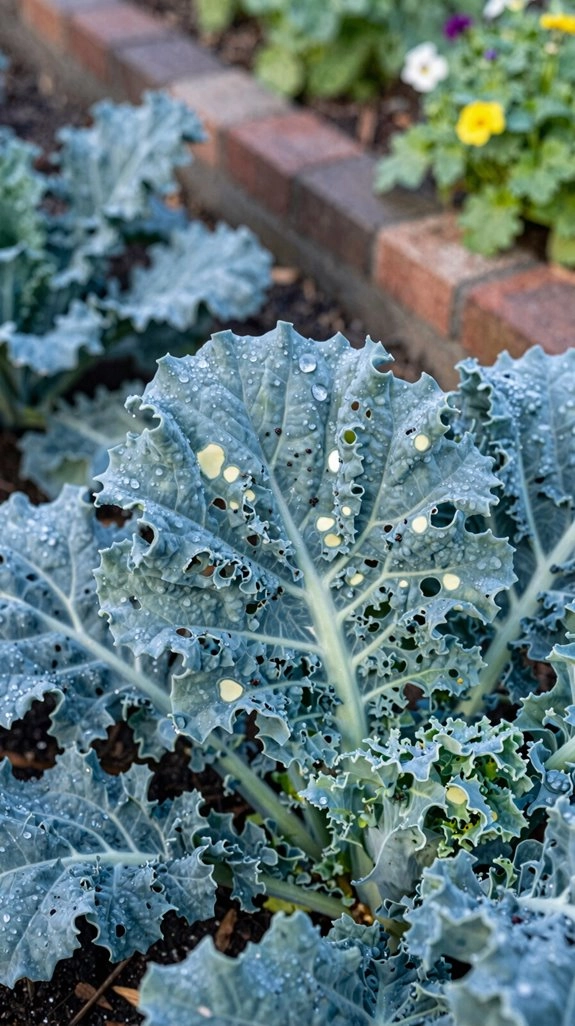
Your plants leave a trail of clues, and learning to read it feels a bit like becoming a garden detective—minus the trench coat!
Check holes along the leaf margin and rib feeding; caterpillars often leave these telltale bites.
Flip leaves over, too.
Eggs and tiny insects may hide underneath before damage becomes obvious.
Yellow, twisted leaves paired with honeydew mold or sooty residue suggest sap-feeders at work.
Now for the surprising clue: inspect stems and crowns.
Bore holes, hollow areas, rot, or sudden wilting can mean borers are feeding inside.
Spot pellet-like frass nearby? You’ve likely found an active eater.
You’re learning the same smart clues seasoned gardeners use!
Common Signs of an Infestation
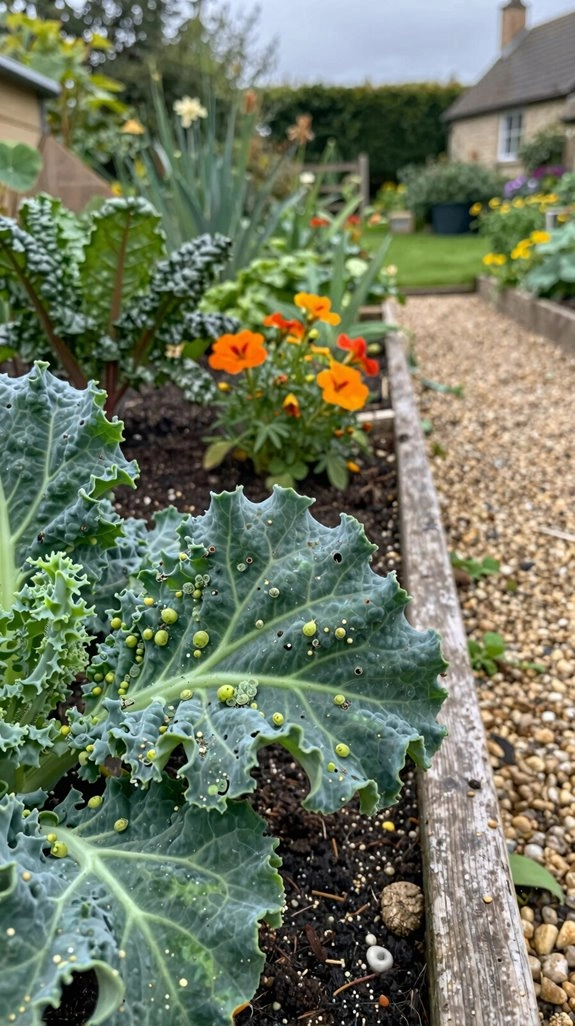
A few warning signs can tell you when a pest problem is more than a random leaf blemish: fresh holes, ragged chewed edges, pale “skeletonized” leaves, sticky residue, or tiny dark droppings called frass all point to active feeders. Leafhole evidence and Caterpillar frass help you spot chewers fast!
Turn leaves over for Underleaf clustering along veins and stems, where aphids, mites, and whiteflies gather like uninvited garden guests. Honeydew sooty mold often follows their sticky trail.
Don’t miss Fruit stem damage or Borer entry holes near wilted crowns.
Even Subtle early clues—white butterflies over brassicas or faint spotting—can reveal hidden pests before they spread.
You’re learning your garden’s signals!
When to Take Action
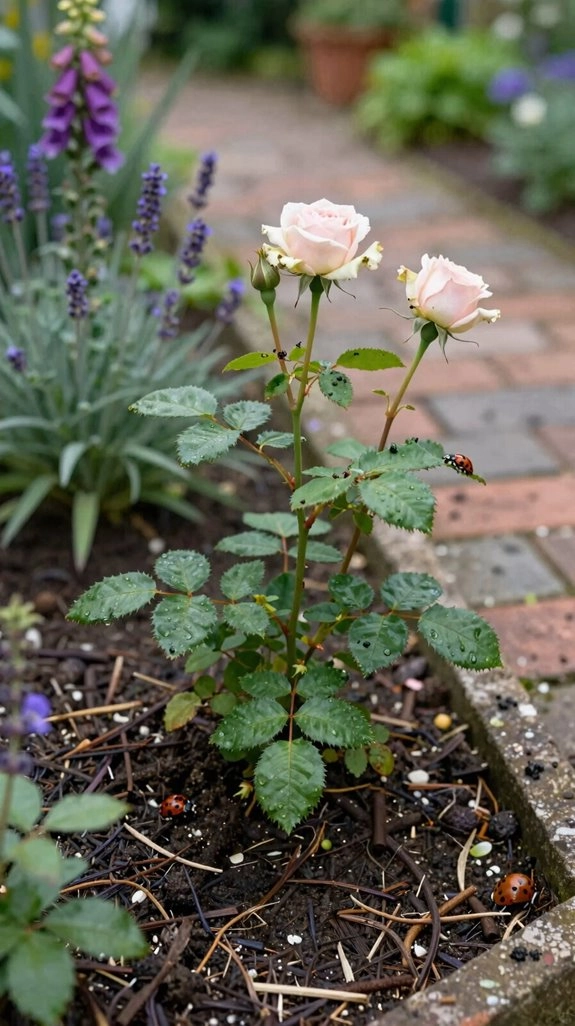
Once you spot fresh holes, frass, or a growing cluster of bugs under a leaf, don’t wait for the garden pest party to get bigger! Early Damage can multiply fast, so check plants daily and decide your comfort threshold.
When numbers rise, choose the least toxicity approach that fits your garden, such as handpicking caterpillars or hosing aphids away. You’re not alone—every gardener learns by watching closely!
Still unsure? Always monitor before spraying, because look-alikes can be helpful neighbors.
Note pest timing, especially for borers; once larvae enter stems, they’re hard to reach.
Record what worked, then use barriers or rotation next season.
Natural vs Chemical Control
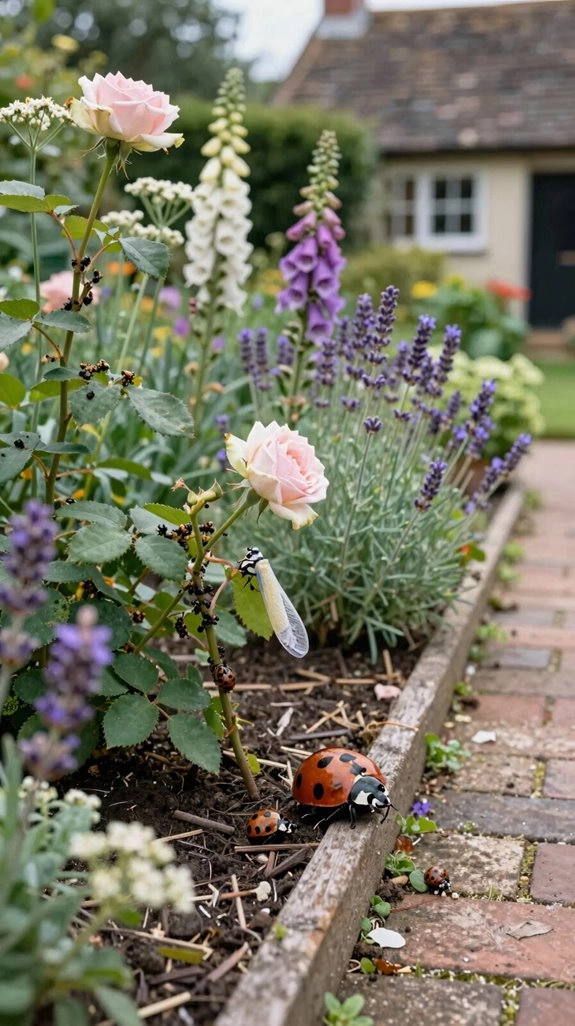
Natural and chemical controls don’t have to be enemies—think of them as different tools in the same garden toolbox!
Start with Least Impact Methods: handpick pests into soapy water, hose off aphids, or use row covers.
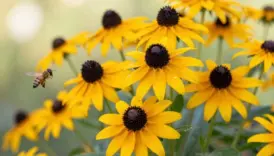
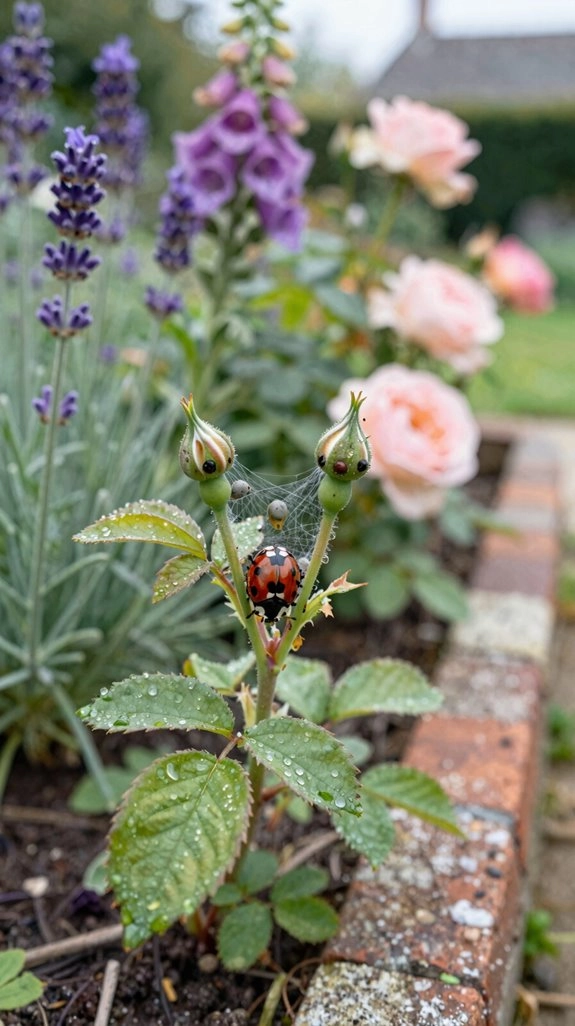
Invite ladybugs and tiny parasitic wasps with dill and daisy flowers—your garden team is on duty!
When pests pass your comfort level, use Targeted Sprays after identifying them.
Bt handles caterpillars, while insecticidal soap helps whiteflies and scale.
Beneficial Insect Safety matters!
Spinosad works on many pests, but it can harm bees.
Spray only after blooms aren’t busy, and rotate products for smart Resistance Management.
Preventing Future Problems
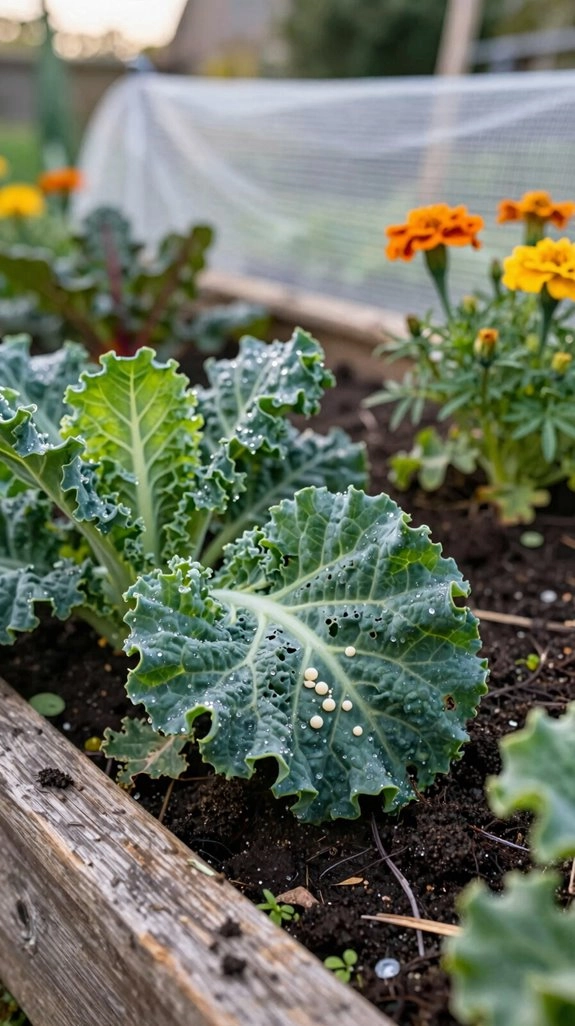
Stopping pests before they settle in saves time, plants, and a few frustrated “Who ate my seedlings?!” moments. Your garden community thrives when you plan ahead!
- Practice Seasonal sanitation: remove dropped fruit and spent stalks to cut pest hideouts.
- Use crop rotation yearly, and avoid crowding or overfeeding plants; tender growth attracts trouble.
- Try barrier prevention with row covers, collars, and pulled weeds. It’s cheap, simple, and effective!
- Follow least toxic strategies: monitor, identify, choose the gentlest fix, and write down results. Add dill or daisy flowers and water for helpful bugs. Rotate treatments, and time spinosad carefully—bees are neighbors too!