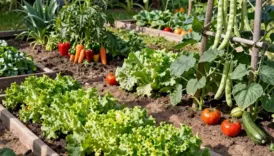
Starting a Small Farm With a Clear Long-Term Plan
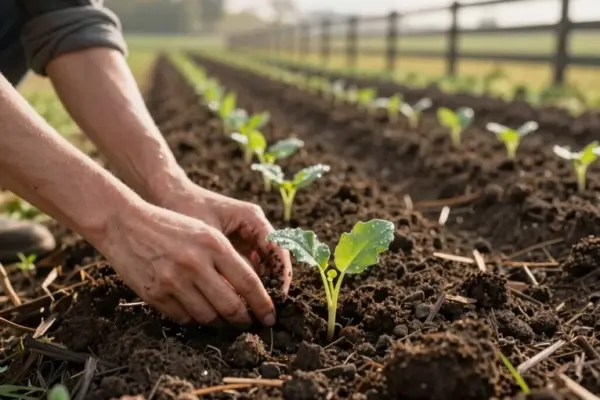
- Starting a Small Farm With a Clear Long-Term Plan
- Key Takeaways
- Define Your Farming Vision
- Choose the Right Property
- Understand Soil Quality
- Decide What to Grow
- Estimate Startup Costs
- Plan Essential Infrastructure
- Build Sustainable Systems
- Set Realistic First-Year Goals
- Farming as a Business
- Mistakes Beginners Often Make
Start your small farm with a clear vision: decide whether you want full-time income, a side hustle, or a family legacy. Check soil, water, drainage, zoning, and market access before you sign anything—pretty views don’t pay feed bills! Build a budget for land, seed, equipment, labor, and slow first-season cash flow. Start small, test crops or livestock, lease equipment when possible, and track every dollar. Next, you’ll see how smart first-year goals protect your future.
Key Takeaways
- Define your farming vision, income goals, lifestyle priorities, and realistic tolerance for physical work, financial risk, and business management.
- Choose land based on soil, drainage, water, infrastructure, zoning, market access, and whether purchasing or leasing fits your budget.
- Match crops or livestock to your land’s capabilities, available water, local demand, and a small-scale production trial before expanding.
- Build a startup budget covering land payments, equipment, inputs, labor, insurance, storage, and seasonal cash-flow gaps.
- Set year-one goals around learning, testing markets, protecting cash reserves, and creating a flexible plan for gradual growth.
Define Your Farming Vision
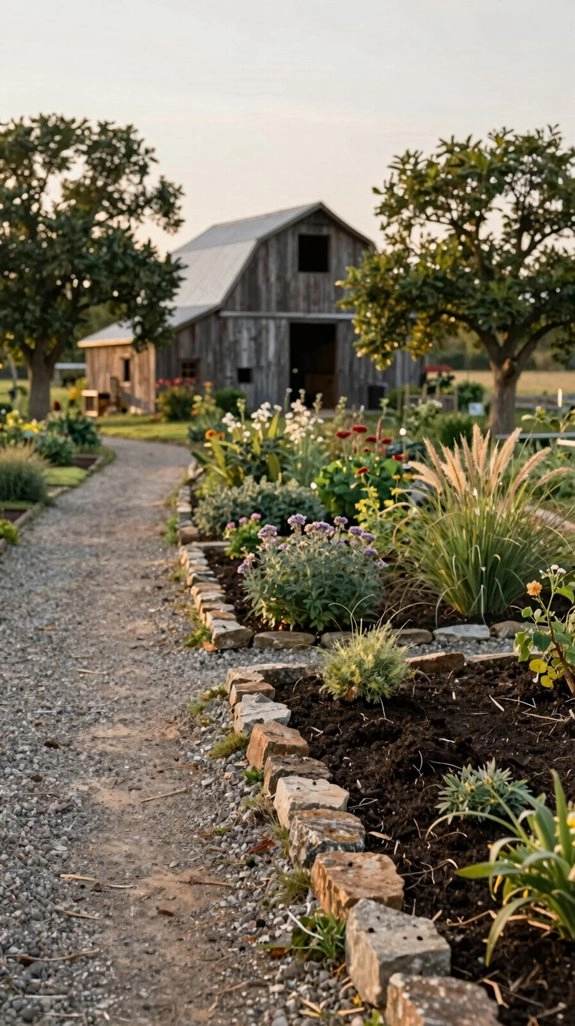
Before you buy a tractor or scroll land listings at midnight, define what you want farming to mean in your life. A beginning farmer has 10 or fewer years operating an agricultural business—your age and acreage don’t decide it!
Build vision clarity: do you want autonomy, daily work with nature, or a side income? Be honest about production agriculture’s long hours, sore muscles, and business skills.
Ask local farmers what costs, markets, labor, and financing truly work.
Then strengthen your autonomy readiness. Farms differ, even next door.
Create several routes: continue family land, step in when an operator retires, or test a niche hustle first.
You’ve got options—welcome to the community!
Choose the Right Property
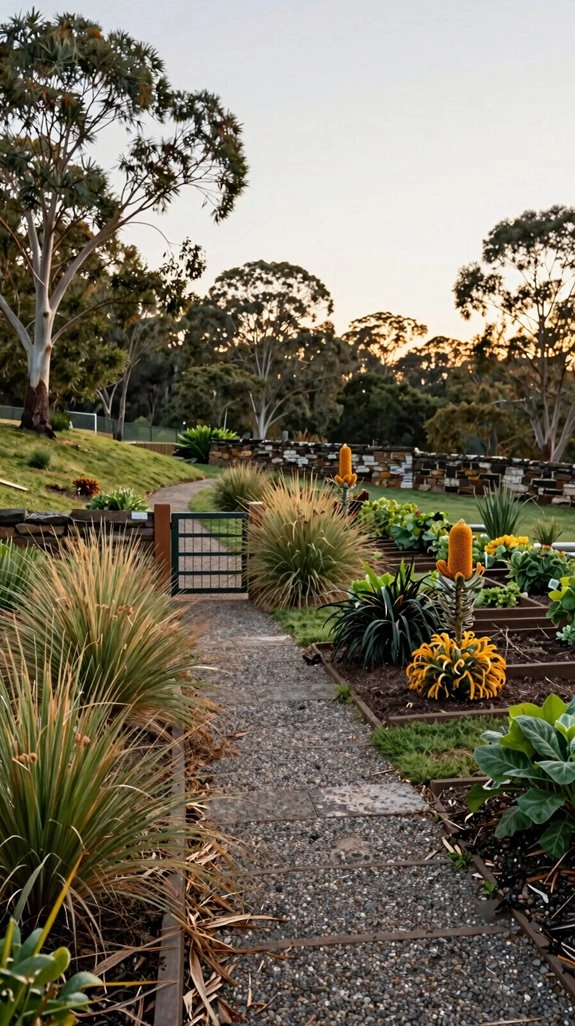
With your farming vision in hand, you can start matching it to land that’ll help—not hinder—your goals. Compare cropland and pasture carefully; each shapes your equipment, work seasons, and risks.
Build a Land purchase strategy around real costs, then survey lease payment options, such as fixed rent, crop-share, or custom arrangements. You’re not alone—many new farmers lease first!
Check soil and drainage, water access planning, and infrastructure assessment, including fences, barns, and drain tiles.
Confirm zoning and permits, acreage scalability, and nearby market access before signing.
Document every improvement and limitation for lenders or landlords.
The right place can become your farm community’s home base!
Understand Soil Quality
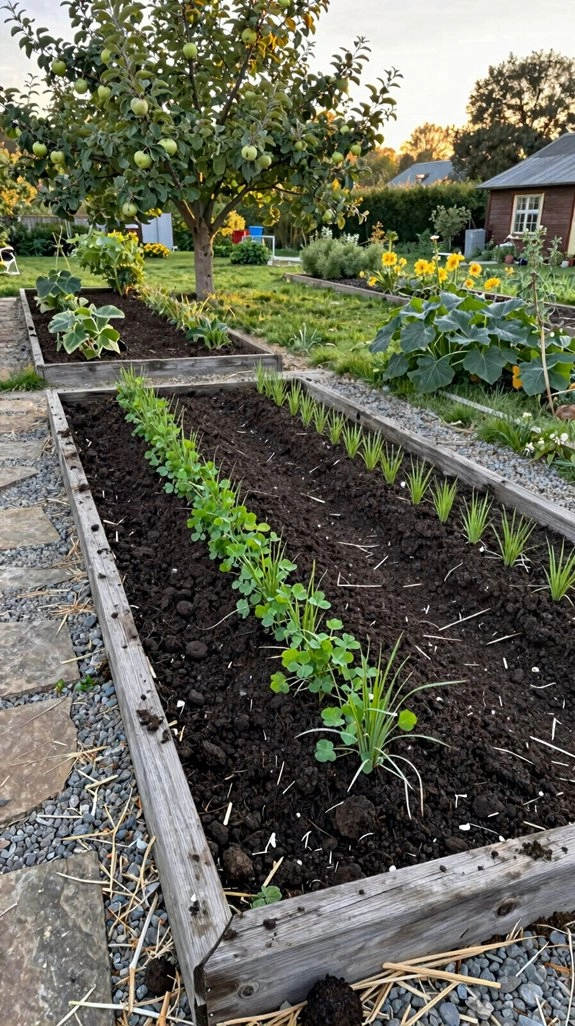
Why can two fields side by side grow such different crops? Soil quality shapes nutrients, water, and root space, so you’re not alone if it feels like a mystery at first!
Start with Soil testing for N-P-K, organic matter, and pH. Good pH management matters: most soils work best around 6.0–7.0, where nutrients stay available instead of locked up like snacks behind a vending-machine glass.
Next, check texture and compaction. Sandy ground drains fast; clay holds water but may stay soggy. Push in a probe or penetrometer to spot hard layers that block roots.
Use results to guide lime or other amendments, then retest every two to three years.
Decide What to Grow
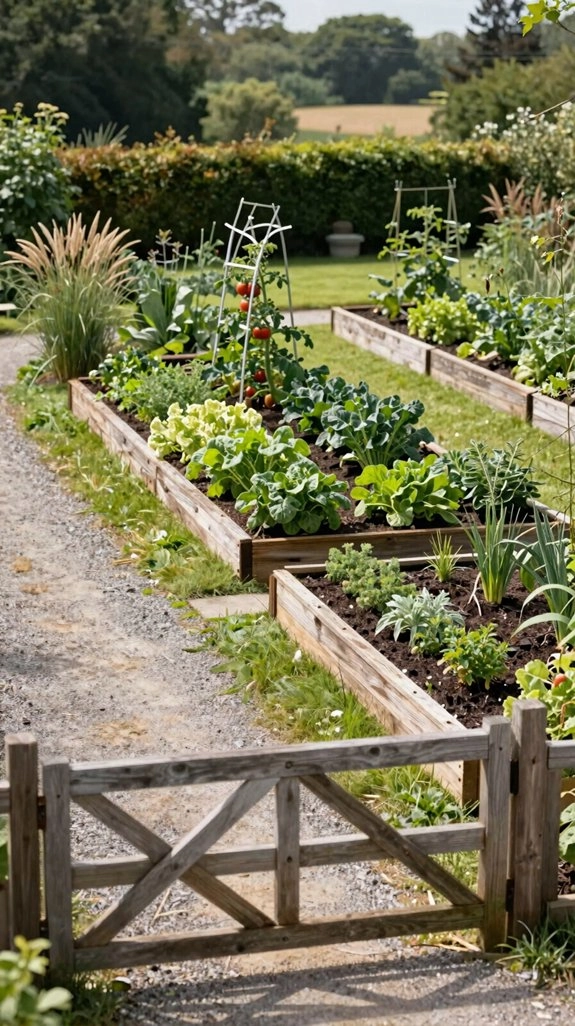
Your land, water supply, and goals should lead the crop choice, not the other way around! You’re joining a community of growers who start smart, not just big!
- Check Crop Suitability: match soil, pasture, and irrigation to crops that fit.
- Define Market Channels: talk with buyers before planting acreage.
- Run a Production Trial: test a small plot, track yields, and learn without drama.
- Protect Budget Resilience: choose manageable crops while you build confidence.
Let your “why” guide the model: commodity fields, specialty vegetables, or local favorites.
Start small, observe closely, and expand what works.
Your best crop may be the one customers already want!
Estimate Startup Costs
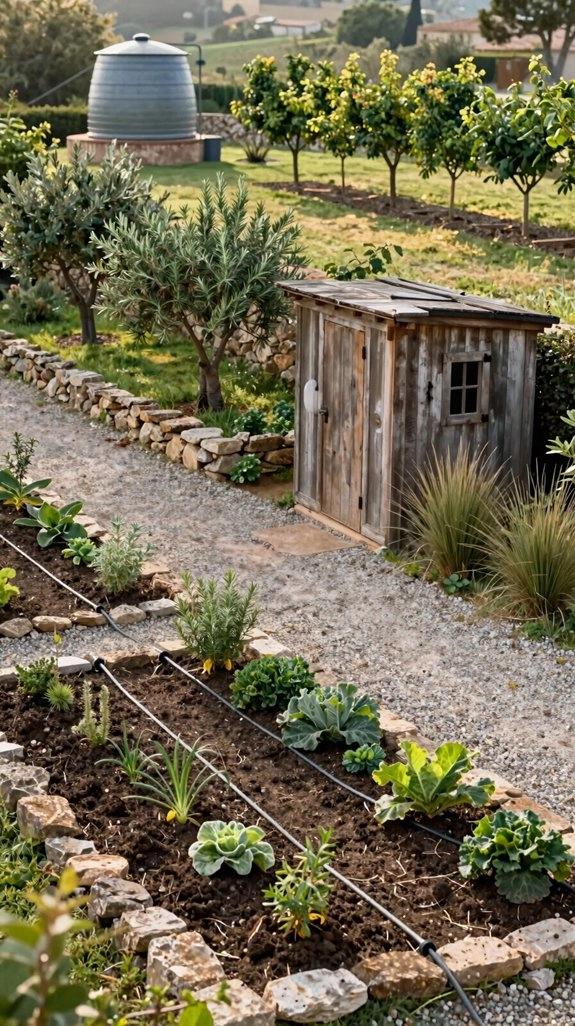
A crop that fits your land and market is a great start, but now it’s time to give that plan a price tag!
Use budgeting tools to map equipment, lease payments, seed, feed, and first-season bills. Track cash flow closely, because profits may arrive after expenses do—farming loves suspense!
Compare used equipment, leasing, sharing, and custom work before you buy. You’ll find smart choices by talking with neighboring growers.
Schedule a lender meeting early to review your position and financing setup. USDA-backed loans may need private funding, so ask questions now.
Finally, price insurance coverage for crops, livestock, weather, and liability. Strong risk management helps protect the farm community you’re building.
Plan Essential Infrastructure
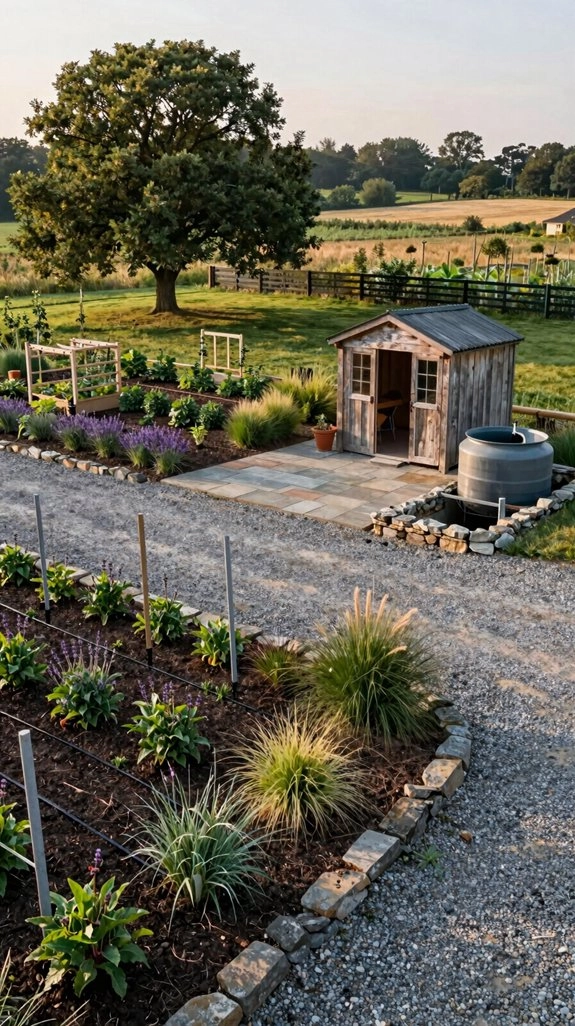
Start with the ground beneath your boots: before you price a tractor or build a shed, confirm what the land needs to produce well.
You’re building a farm team, not a lonely project! Let soil and use guide Infrastructure budgeting.
- Cropland may need drain tiles; pasture needs fencing and water.
- Compare used equipment, sharing, custom work, and equipment financing.
- Create labor planning for planting, repairs, and harvest-day surprises.
- Map storage, transport, logistics workflow, and maintenance spaces.
Check land lease terms before improving anything; lease length and cost-sharing matter. The smartest move? Match every purchase to who’ll use it, when, and how long it’ll serve you.
Build Sustainable Systems
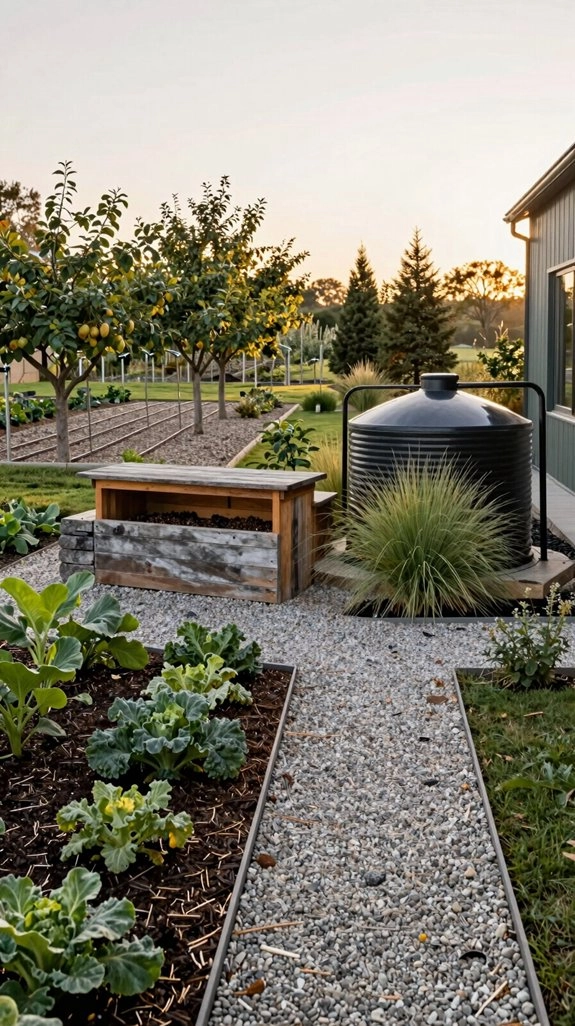
Sustainable systems turn a small farm from a busy patch of land into a business that can handle dry spells, price swings, and the occasional “why did that fence fall down?” surprise!
Create a short farm plan: mission, land status, management, and simple projections.
Update a SWOT review so your risk planning stays grounded.
Build financial resiliency through seasonal cashflow tracking, smart labor scheduling, and leasing before equipment financing.
Meet insurance requirements, watch policy deadlines, and use price history plus yield triggers to guide coverage.
Here’s the key part: connect soil and water care to costs and income.
You’ll grow a farm that supports your community—and keeps growing with you!
Set Realistic First-Year Goals
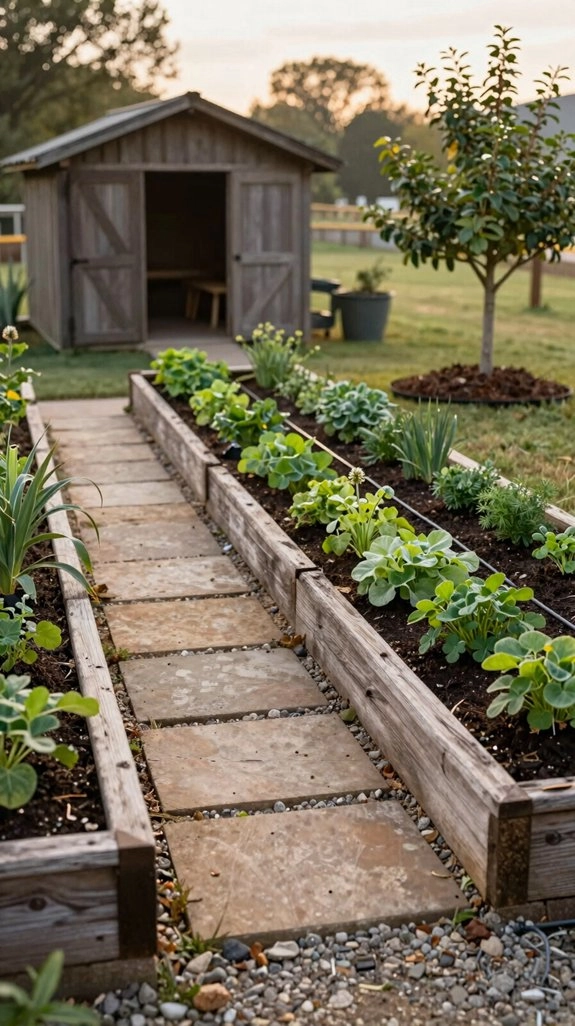
With your soil, water, and money systems taking shape, it’s time to give year one a job it can actually handle: learning, testing, and building momentum—not magically paying for everything by harvest day!
You’re a beginning farmer for your first 10 years, so expect lessons, not perfection. Write Goal timelines your lender can follow!
- Test production reality: track yields, time, equipment, and labor.
- Build market learning: try one or two sales outlets, then listen.
- Protect cash reserves: price financing and insurance before planting.
- Compare lease options: cash rent, crop-share, or custom farming.
Start with a SWOT snapshot, review it often, and adjust together with your farm community. That’s real progress!
Farming as a Business
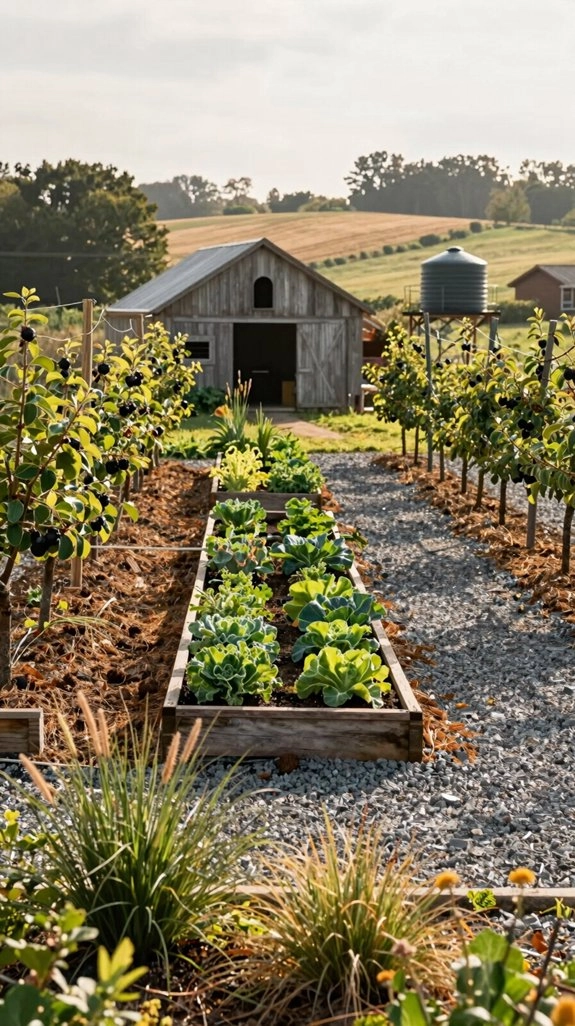
Treat your farm like a real business from day one, because a written plan turns big hopes into clear next steps—and it doesn’t need to be a giant binder collecting dust!
You’ll build trust with family, landlords, lenders, and your farm community when everyone can see the same path. Create a short plan covering business, finances, production, and marketing, with clear roles for each person.
Add mission statements, goals, a SWOT review, and risk management notes.
Include your location, land status, and Cash flow planning with realistic income and expense estimates. That’s lender readiness in action!
Farmers who write plans can be up to four times more likely to succeed—and 21% more profitable.
Mistakes Beginners Often Make

A written farm plan gives you a strong starting point, but beginners can still hit a few sneaky potholes on the road ahead!
- Don’t rush your experience timeline; “beginning farmer” status can last 10 years, regardless of farm size.
- Start lender communication early. Local competition may require FSA funds plus outside financing.
- Update your written business plan, then strengthen cash flow planning with realistic equipment budgeting and land cost variability.
- Treat Risk management seriously! Compare coverage, meet insurance deadlines, and protect your farm family from costly surprises.
You’re not alone in learning this stuff. The surprising win? A simple one-page plan can keep a shiny tractor from becoming an expensive lawn ornament!