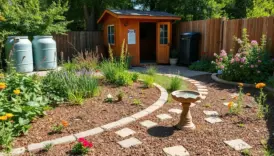
How to Create a Safe Drinking Spot for Pollinators
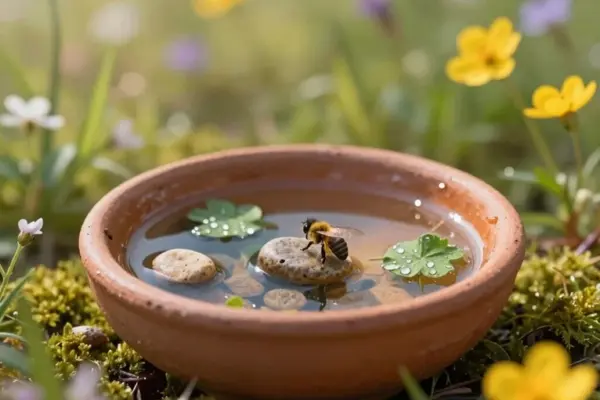
Create a bee-friendly drinking spot with a wide, shallow dish, about 1.5 inches deep, and fill it with fresh water. Add rinsed rocks, pebbles, or marbles that rise above the surface, giving thirsty pollinators safe, dry landing places—no bee lifeguard required! Set it near flowers in a bright, open area, but several feet from hives. Dump and refill every few days to stop mosquitoes. Even better, a tiny stone path makes sipping easy, and more helpful tips await below!
Key Takeaways
- Choose a wide, shallow basin about 1.5 inches deep, such as a birdbath bowl or sturdy tray.
- Add stable, rinsed rocks or pebbles that rise above the water, giving pollinators safe, dry landing places.
- Place the station in a visible, sunny, open area near flowers, flight paths, and several feet from hives.
- Dump, rinse, and refill the water every few days to maintain freshness and prevent mosquito larvae.
- Use moving water from a small pump or fountain, and avoid pesticide sprays near the drinking area.
Why Bees Need Water
Bees need water for far more than a quick drink! You’re supporting essential Bee hydration needs, because nurse bees use watery food to feed developing larvae. On their first day, that food can contain about 80% water, so every drop matters!
Water also powers hive temperature control. During hot weather, bees spread thin films across baby bee cells, creating cooling evaporation. They even dilute crystallized or overly thick honey until it’s drinkable again—tiny pantry rescue workers!
When nearby water isn’t available, bees may visit pools or ditches containing chlorine or pesticides. A safe source close to flowers keeps them nearer to forage and helps your whole pollinator community thrive!
Choosing the Right Container
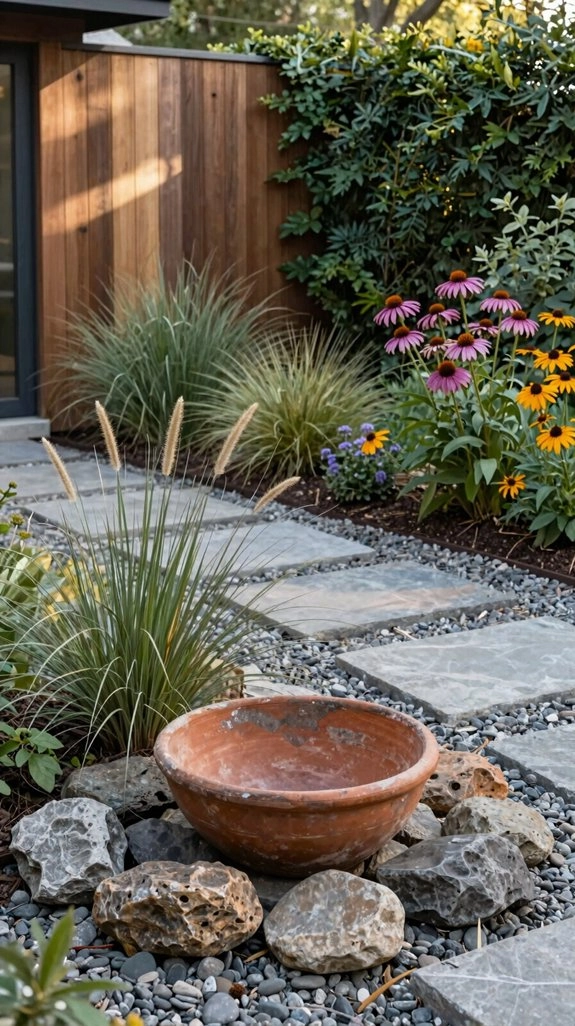
Choosing the right container makes your pollinator watering station safer from the start! Pick a wide, Shallow basin, such as a bird-bath bowl or sturdy tray about 1.5 inches deep. Its broad edge lets bees, butterflies, and other visitors reach the surface without getting trapped, unlike a narrow cup.
Want an easy refill? Try a gravity-fed pet or poultry waterer, but keep its basin shallow. If it’s deeper than a few centimeters, you’ll need secure perches inside.
Rinse any pebbles, marbles, or rocks collected outdoors, then arrange them so insects can rest while drinking.
Choose a level spot, too—spills help nobody!
Adding Landing Stones
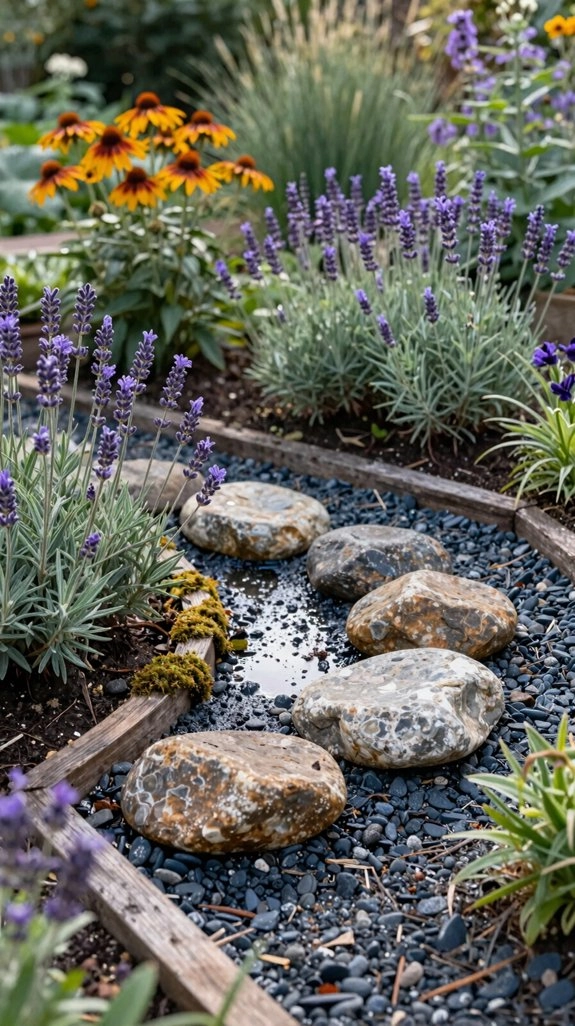
Add landing stones that rise just above the water, giving pollinators a dry place to perch while they drink—tiny stepping-stones for thirsty travelers!
Use rinsed yard rocks in several sizes, including small, flat pieces, to create safe steps.
In a shallow depth of water, keep stone tops dry so bees can sip along the edges.
Test rock stability by pressing each piece gently; wobbly perches won’t welcome anyone!
Mix perch heights, and shape gentle drainage edges without steep drop-offs, helping butterflies land and lift away.
The winning trick?
Build a tiny stone path across the tray.
It’s simple, affordable, and wonderfully bee-friendly!
Best Placement in the Garden
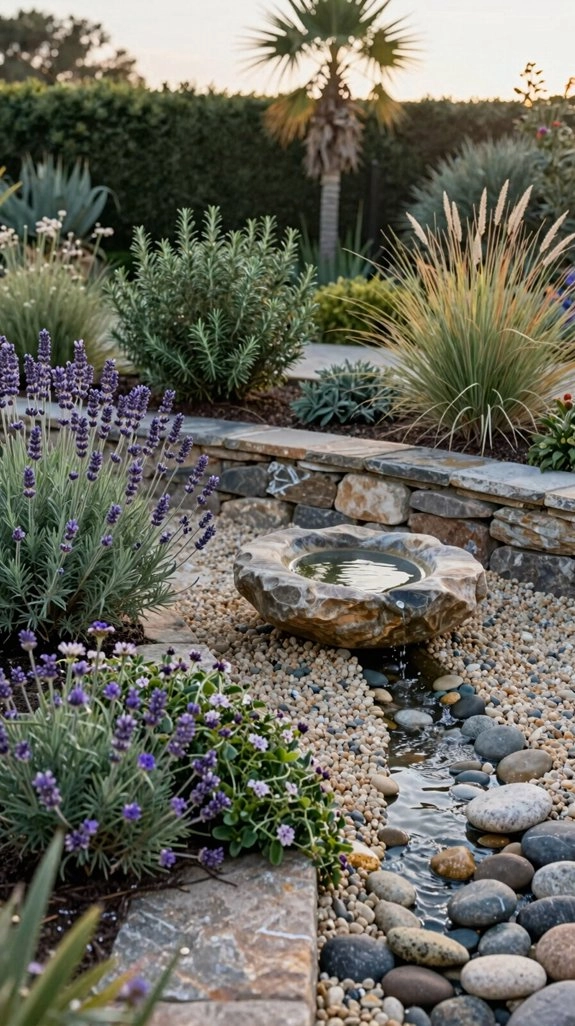
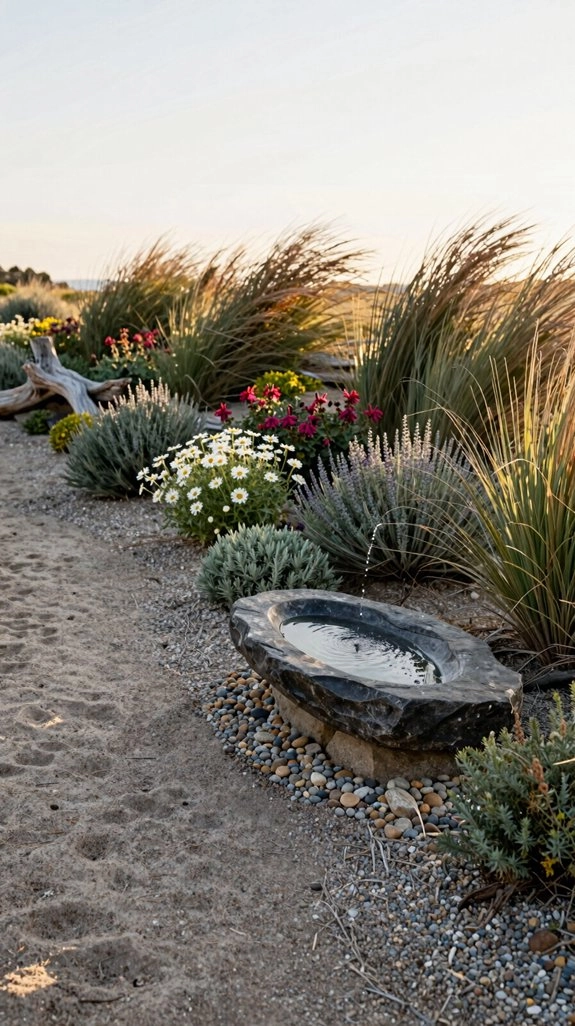
Once your landing stones are steady, place the water spot where thirsty visitors can find it easily! Choose a central, sunny, open place near nearby flowering beds, such as squash or zucchini, so bees and butterflies can sip between meals.
- Check shade versus sun: bright light improves visibility, while light afternoon shade offers relief.
- Keep the dish several feet from hives, leaving entrances calm and uncrowded.
- Set it beside familiar flight paths, where visitors can land safely on stones.
- Place it near a drip line if possible, making refills easy.
Soon, your garden community will know exactly where to gather!
Keeping Water Fresh
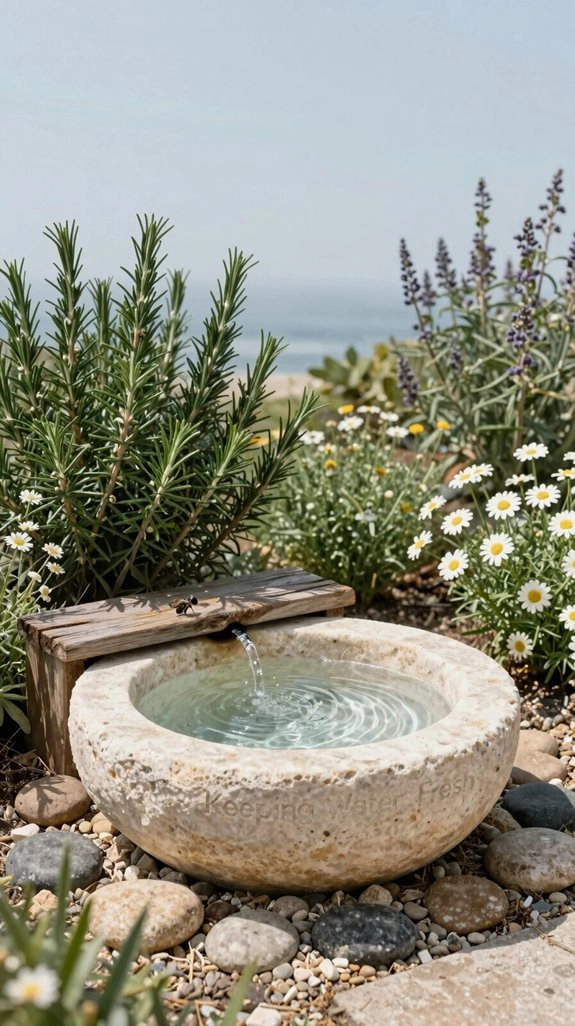
Fresh water keeps your pollinator drinking spot inviting—and helps stop mosquito larvae from turning it into a tiny backyard nursery!
Every few days, dump and refill your shallow splash dish. Rainfall irrigation can add fresh water, but it can also bring leaves and dirt, so give the container a quick rinse.
This simple routine costs nothing and takes minutes!
For a permanent basin, try a small pump, fountain, or waterfall to keep water moving.
Add protective screening over the intake so helpful dragonfly and damselfly nymphs stay safe.
Regular pond cleaning supports algae control, too.
Skip pesticide sprays around the spot; your buzzing garden community deserves safer care!
Preventing Mosquitoes
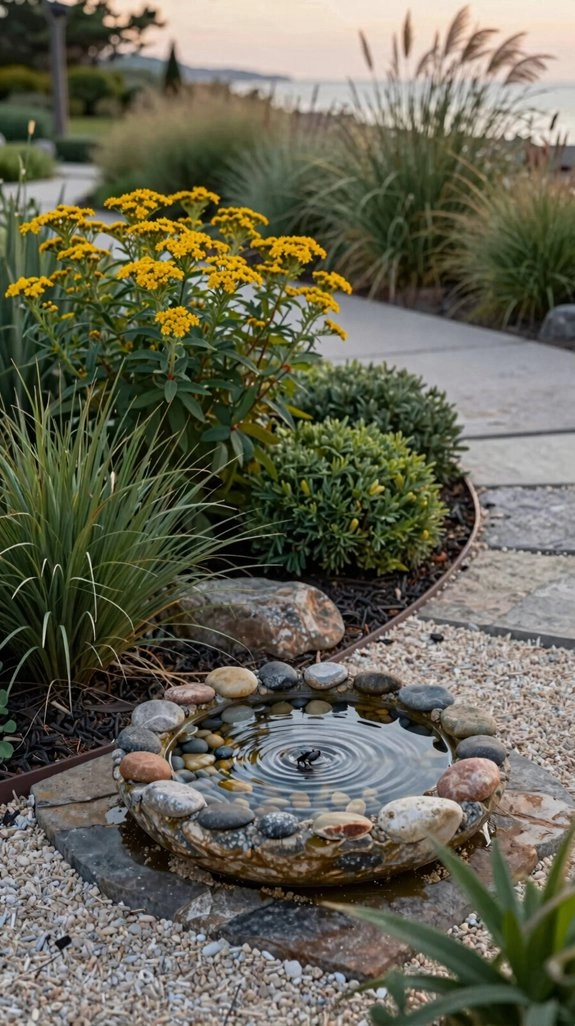
Regularly dump and refill your bird bath every few days, or scrub it once a week, because mosquito larvae can turn still water into a nursery surprisingly fast!
Join fellow pollinator helpers with this simple routine:
- Set a larvae prevention schedule on your phone, so fresh water becomes an easy habit.
- Add a fountain, waterfall, or small pump to permanent features; moving water makes breeding much harder!
- Skip pesticide sprays near water—they won’t solve the problem and can harm bees and dragonflies.
- Use mosquito proofing screening over open pumps or intakes, protecting helpful nymphs while discouraging mosquitoes. Keep watch, and celebrate every safe sip!
Plants That Attract Bees
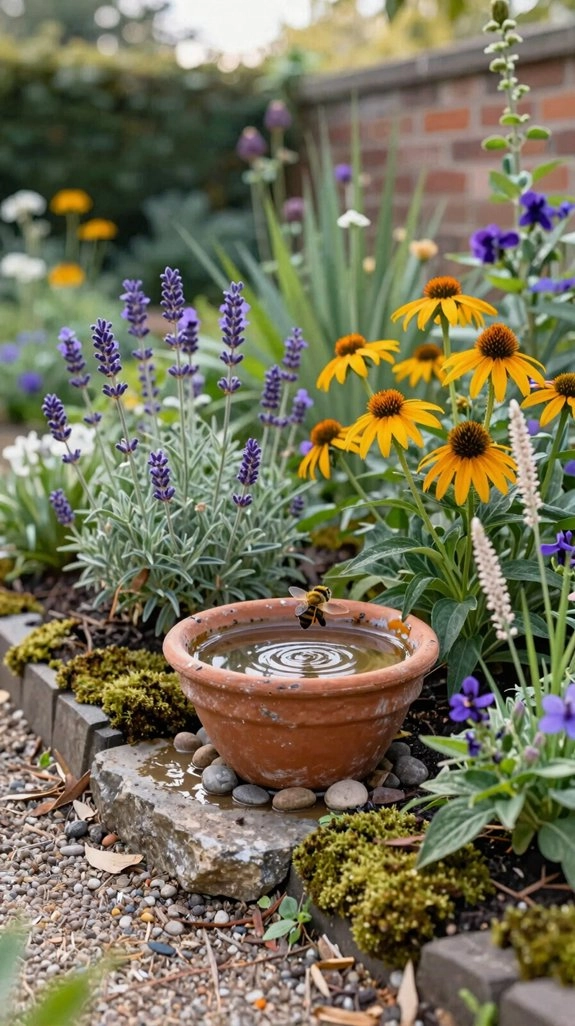
With mosquitoes kept at bay, give bees another reason to visit by planting a buffet of nectar- and pollen-rich flowers!
Start with Pollinator Perennials like lavender, bee balm, and coneflower, grouping sunny blooms so bees can forage efficiently.
Add Native Flowering Trees and Bee Friendly Herbs, such as mint or thyme, for extra scents and snacks.
Choose Long Blooming Plants, plus early-, mid-, and late-season flowers, to keep your bee neighbors fed through warm, dry spells.
Even Small Garden Diversity helps: try Groundcover For Bees in a few pesticide-free patches.
Skip sprays on flowers, and watch your tiny guests return for seconds!
Seasonal Maintenance
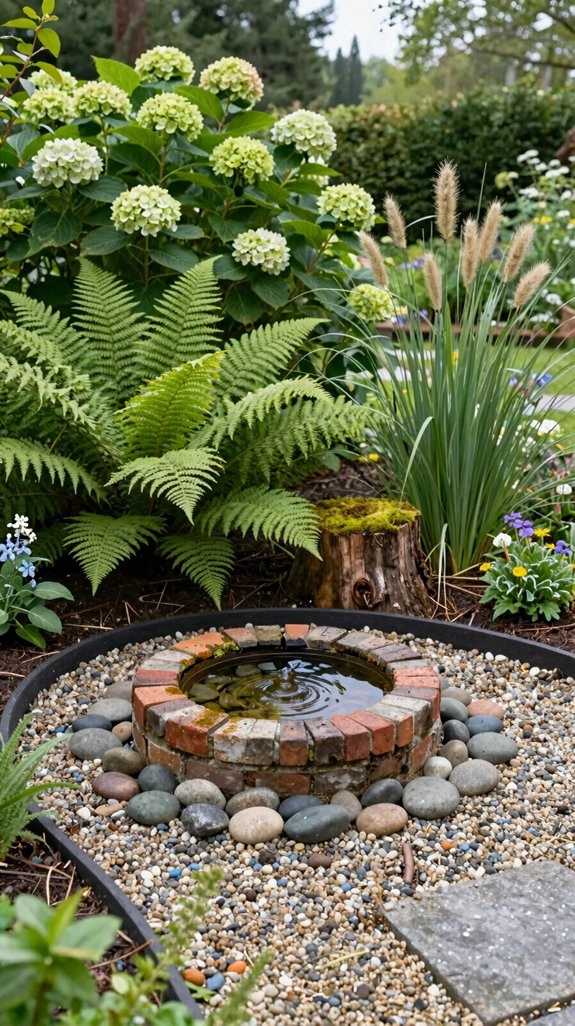
As the seasons shift, your pollinator watering spot will need a little attention to stay safe and inviting! A few quick habits help your buzzing neighbors feel welcome all year.
- Check daily: In hot weather, top off evaporation so bees and butterflies always find shallow water.
- Refresh regularly: Replace bird-bath water every few days, sooner during heat, to discourage mosquito larvae.
- Keep it moving: Run a small fountain or pump in deeper features during warm seasons, reducing stagnant water.
- Prepare edges: In spring and late summer or fall, inspect water safety, remove debris, and clean landing stones.
Rinse rocks, then refill with plain water—your tiny guests will thank you!
Common Mistakes to Avoid
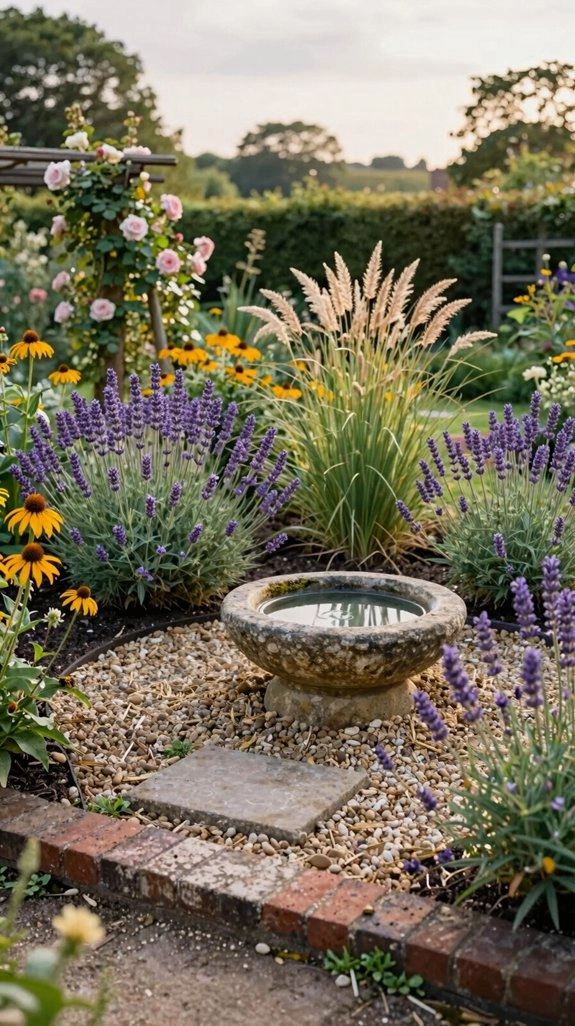
A few easy-to-miss mistakes can turn a helpful pollinator watering spot into a hazard—yikes! Don’t use pesticide sprays nearby; they can harm beneficial insects.
Skip sugar or honey, too—plain water works, while a little plant residue or mud may attract bees.
Refresh shallow water every few days, or mosquitoes may move in!
Choose a shaded nook, add rocks or floating perches, and avoid deep, vertical-sided containers.
If you use a drip system or fountain, protect the intake with screening, and plan a safe overflow so water won’t pool.
Finally, wildlife signage can remind everyone to keep the spot clean and welcoming!
Simple DIY Ideas
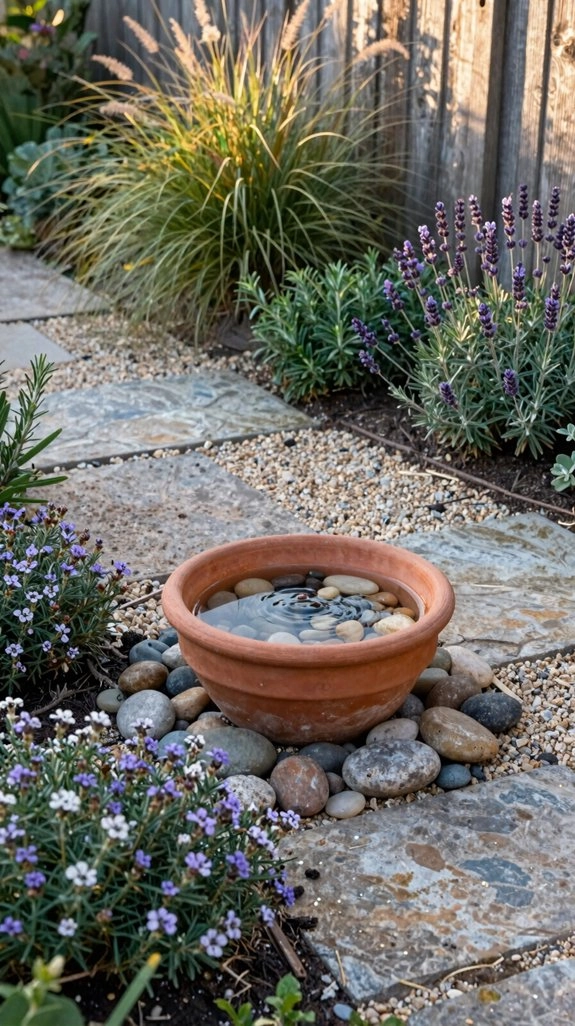
Ready to make your pollinator watering spot? These friendly DIY solutions are affordable, welcoming, and simple to enjoy!
- Pebble tray: Use a wide, shallow bowl, water, and clean rocks. Fill it with shallow water, creating a safe pollinator perch. Place it several feet from your hive, and refill often.
- Butterfly mud stop: Add a thin layer of unpolluted dirt to one section. Wet mud lets butterflies sip minerals—nature’s tiny smoothie bar!
- Drip refresh: Add a drip emitter to a level tray for easy upkeep. Fresh water arrives daily without spills.
- Mosquito check: Dump and refill every few days, or add a small fountain. Skip sugar and honey; plain water keeps ants away!