Mosquito Repelling Plants That Actually Work in Your Garden
- Mosquito Repelling Plants That Actually Work in Your Garden
- Key Takeaways
- How Mosquito-Repelling Plants Work
- Top Mosquito-Repelling Plants to Grow
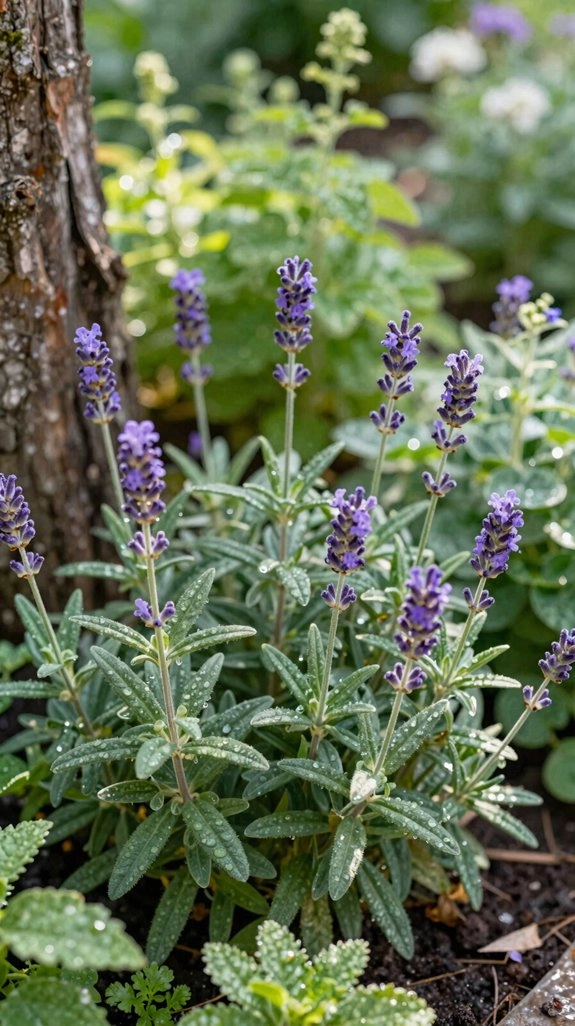
- Lavender for Sunny, Dry Spots
- Marigolds Near Patios and Doors
- Lemongrass and Citronella Grass
- Catmint for Tough Garden Beds
- Catmint’s Tough Growing Habit
- Mosquito-Repelling Power In Beds
- Rosemary for Hot, Dry Climates
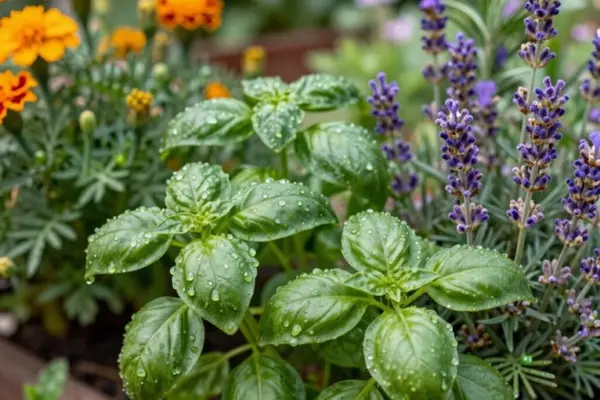
- Basil in Pots or Garden Rows
- Citronella Geranium for Strong Scent
- Bee Balm for Pest-Resistant Borders
- Mint for Pots and Easy Access
- Ageratum for Color and Mosquito Control
- Ageratum’s Mosquito-Repelling Trait
- Colorful Annual Garden Accent
- Planting With Pet Safety
- Sage for Fire Pits and Outdoor Spaces
- Alliums for Bold Scent and Structure
- Where to Place Mosquito-Repelling Plants
- Patios And Entrances
- Sunny Container Spots
- Around Beds And Walkways
- Container Growing Tips
- How to Boost Plant Fragrance
- What These Plants Need to Thrive
- Which Plants Work Best Together
- Limits of Mosquito-Repelling Plants
- Why Plants Fall Short
- Scents Fade Too Fast
- Better Protection Methods
- Why Mosquito Control Matters
You can grow mosquito-repelling plants like lavender, marigolds, lemongrass, catnip, rosemary, and catmint, but they work best as scent boosters, not magic shields! Put them near patios, doors, and breezy spots, and keep them healthy in sun, well-drained soil, or large pots. Crush a few leaves for a quick burst of aroma, then add a fan and dump standing water for real mosquito-repelling bite-cutting power. A few smart plant picks make a big difference, and more helpful tricks are next.
Key Takeaways
- Mosquito-repelling plants offer only limited help; their volatile oils fade quickly, so they reduce bites rather than create a barrier.
- Best plant choices include citronella grass, lemongrass, catnip, marigolds, lavender, rosemary, and catmint.
- Place them near patios, doors, walkways, and seating areas where people gather, especially in sunny, breezy spots.
- Keep plants healthy with full sun, good drainage, and regular trimming or leaf crushing to boost fragrance.
- Use containers for spreading or tender plants, and remove standing water since plant scent won’t solve mosquito breeding.
How Mosquito-Repelling Plants Work
Some plants do more than smell nice, too. Important mechanisms explained: they send out volatile oils that can confuse mosquitoes’ smell and heat sensors, so your skin’s signal gets a bit lost in the crowd. Think citronella, geraniol, linalool, and similar scents—tiny chemical bodyguards!
Some plants also make bug-deterring compounds that can keep mosquitoes from feeding, even if they still land.
But here’s the catch: volatile oil dispersion fades fast, so the effect can be spotty.
Keep plants healthy, trim or crush leaves for a quick burst, and remember, standing water can still invite pests in.
Top Mosquito-Repelling Plants to Grow
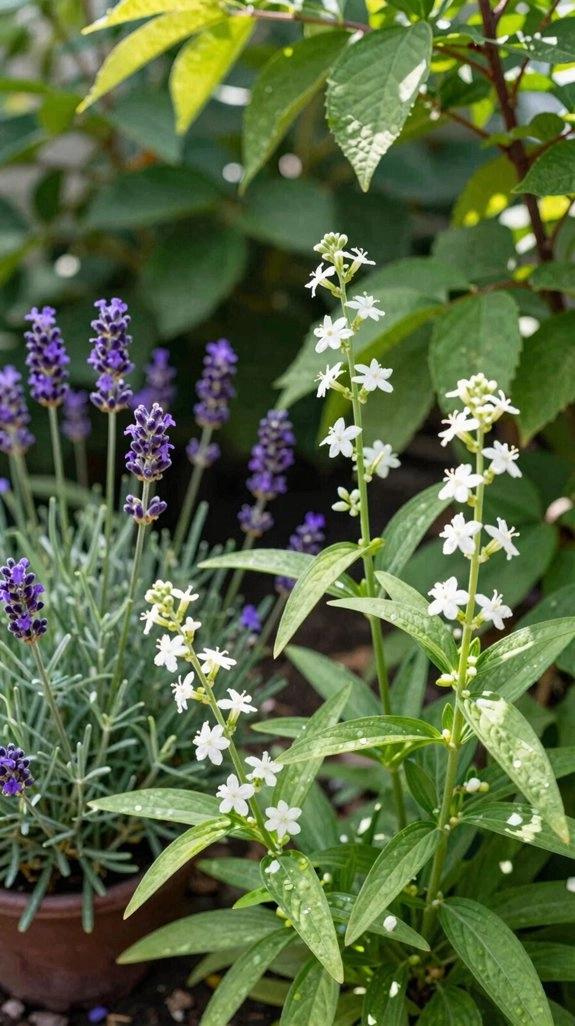
If you want your yard to work a little harder against mosquitoes, plants can help pull their weight in a big way!
Start with easy wins that fit your space and your crew, while remembering Mosquito lifecycle basics so you interrupt the buzz early.
- Marigolds near patios keep pests guessing.
- Catnip, crushed, packs a surprise punch.
- Citronella types add citrusy cover, but plant for warmth.
- Rosemary and ageratum boost companion planting synergies, if you mind toxicity.
Use placement strategy tips, and think about plant scent longevity so your garden stays inviting to you, not to them.
Lavender for Sunny, Dry Spots
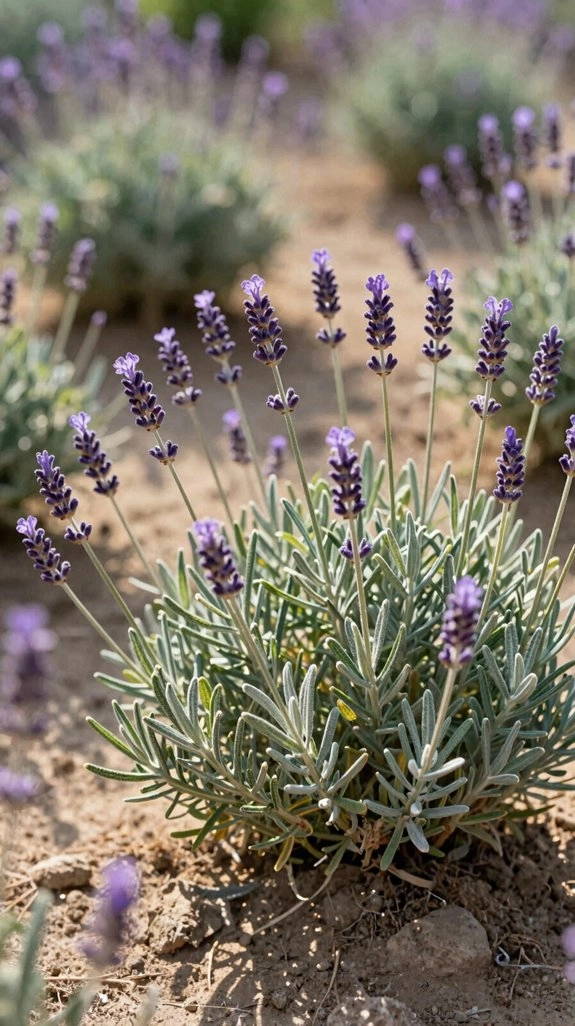
Lavender is a lovely pick for those sunny, dry spots where other plants seem to throw in the towel, and it brings a big bonus with very little fuss!
You get tough, drought-ready color, plus important oils in the leaves that give off a strong scent mosquitoes don’t love.
Keep it in full sun with sharp drainage, and you’ll help it stay healthy and fragrant.
If your soil stays damp, try container placement instead.
Use a pot, gritty mix, and a bright, warm spot.
Give leaves a light rub now and then, and you may notice fewer buzzing freeloaders hanging around!
Marigolds Near Patios and Doors
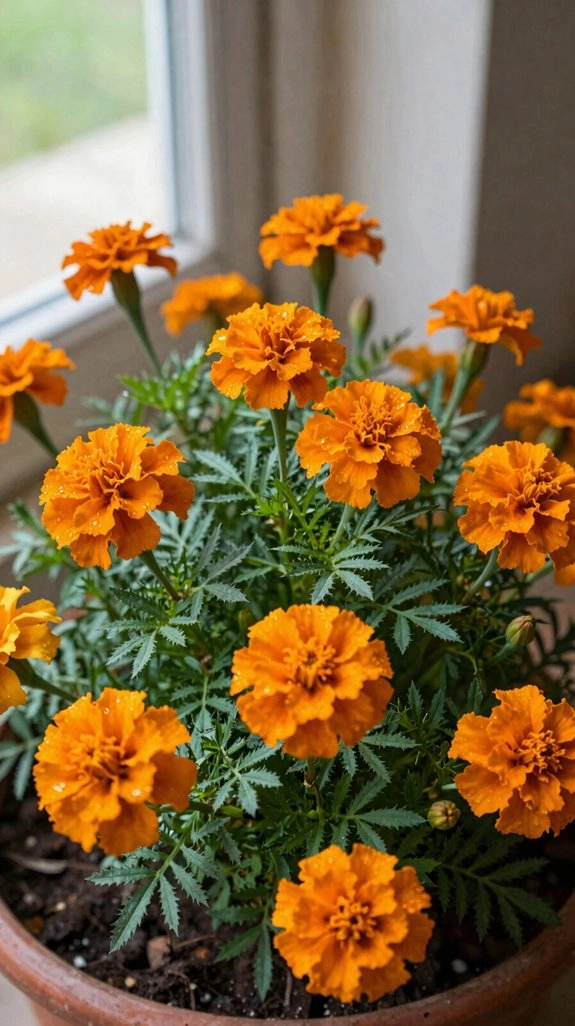
Marigolds bring a bright, cheerful pop of color near patios and doors, and they do more than just look happy! You can team up with neighbors and create a welcoming bug-fighting edge.
- Pot them beside entrances for a strong scent.
- Give them full sun and well-drained soil.
- Enjoy blooms from late spring until frost.
- Notice fewer pests like aphids and whiteflies.
Their natural deterrent effectiveness is real, but mosquito plant limits matter, too, because they won’t block every bite. Still, these easy annuals can help you relax outside, with less buzzing and more porch-time smiles!
Lemongrass and Citronella Grass
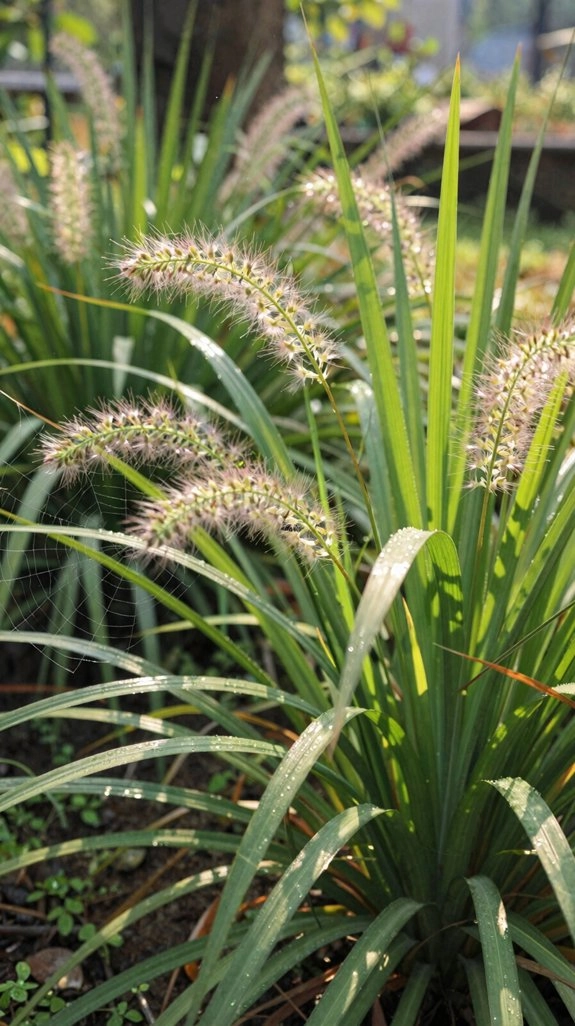
As the scent of summer gets stronger, lemongrass and citronella grass can step in like the cool, green bodyguards of your patio!
You’ll get the best results when you grow them in big containers, give them full sun, and keep them warm, around 69–100°F.
Lemongrass brings a lemony punch mosquitoes hate, while citronella grass releases oily goodness when you crush its leaves—handy for sprays, candles, or lotions.
Keep the clumps healthy, and you’ll boost scent output before scent degradation dulls the effect.
Since mosquito lifespan is short, every little hit helps your space feel like a friendlier hangout!
Catmint for Tough Garden Beds
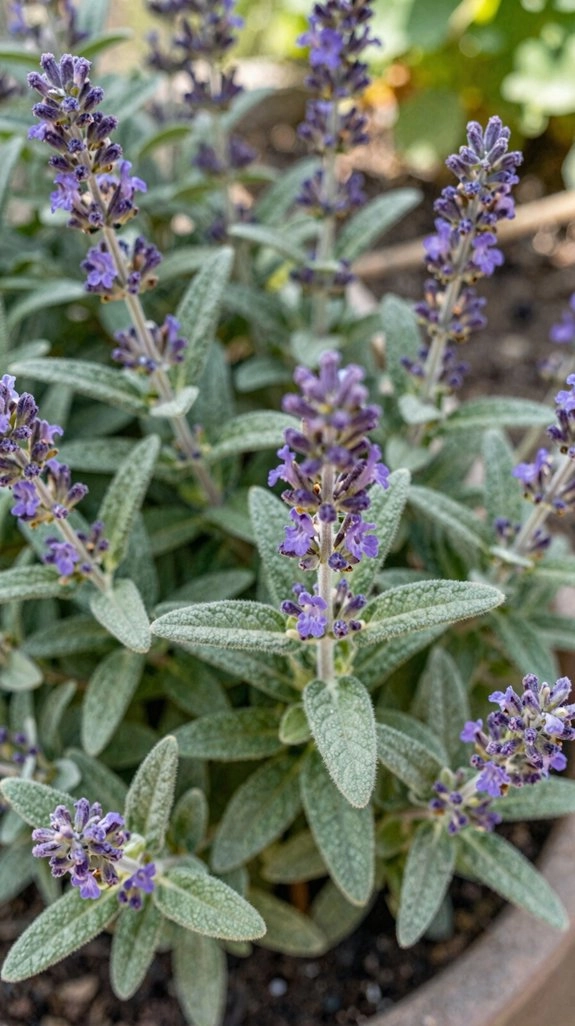
Catmint, or Nepeta, is a tough little perennial that can handle tricky garden beds without throwing a fit, and that’s great news when you’ve got bare spots to fill!
You can plant it in lots of climates, and from early summer to fall it keeps showing off while quietly working in the background.
Here’s the fun part: crush a few leaves, and you may get a stronger mosquito-repelling boost right where you need it most.
Catmint’s Tough Growing Habit
If you’ve got a rough patch of soil that seems to bully every other plant, catmint might be your new best friend! You’ll love its soil tolerance and drought resistance, because it keeps growing when fussier plants quit.
- Plant it in sunny spots.
- Give it little care.
- Expect blooms from early summer to fall.
- Keep an eye on spreading.
This hardy perennial returns in USDA zones 3–8, so you don’t have to replant it every year. That means less work, more garden buddies, and a bed that feels alive. Just give it a boundary, and you’re set!
Mosquito-Repelling Power In Beds
A tough bed doesn’t have to be a mosquito magnet! You can tuck catmint into rough spots and still feel like you’ve got a friendly, lively garden crew on your side.
This hardy perennial thrives in USDA zones 3–8, blooms from early summer to fall, and its Catmint key oils help push mosquitoes back.
For extra scent release boosting, lightly crush or rub the leaves near paths, benches, or patio edges.
Iowa State University says catmint may repel mosquitoes far better than DEET when the oils are released well.
Just keep it contained, because this minty helper can spread fast.
Nice bed, fewer buzzers, more peace!
Rosemary for Hot, Dry Climates
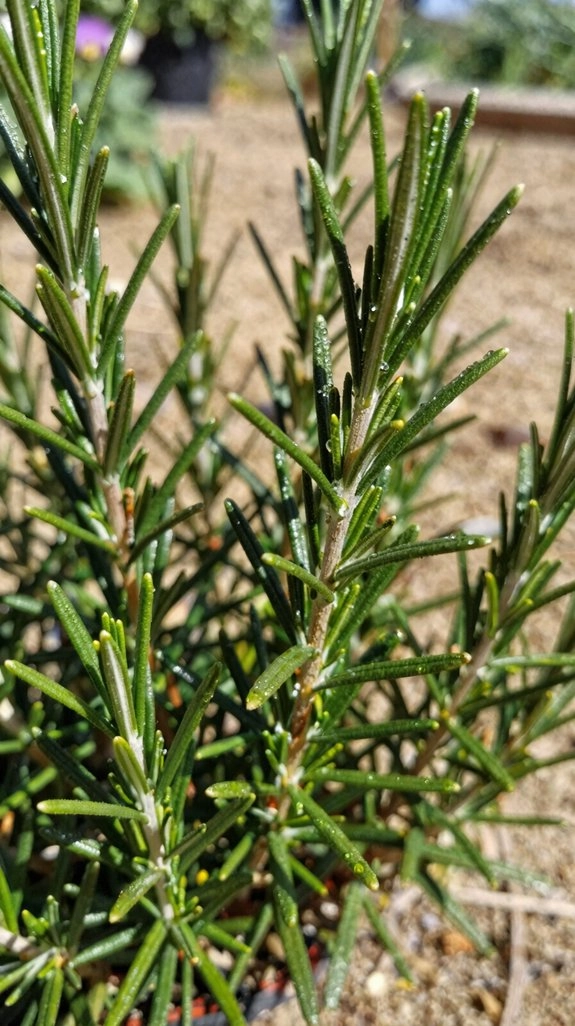
Rosemary is one of those herbs that just loves to soak up the sun, and in hot, dry climates, it can feel right at home!
You’ll fit right in with this tough little plant, and it rewards you with a strong scent that mosquitoes dislike.
- Plant it in full sun with well-drained soil.
- Use it in companion planting with veggies for extra pest help.
- Grow it in containers if winter gets chilly.
- Enjoy its vital oil benefits when the leaves stay fresh and active.
Keep rosemary happy, and it’ll help deter cabbage moths and carrot flies too.
Dry, stressed plants won’t smell as strong, so give it room to thrive!
Basil in Pots or Garden Rows
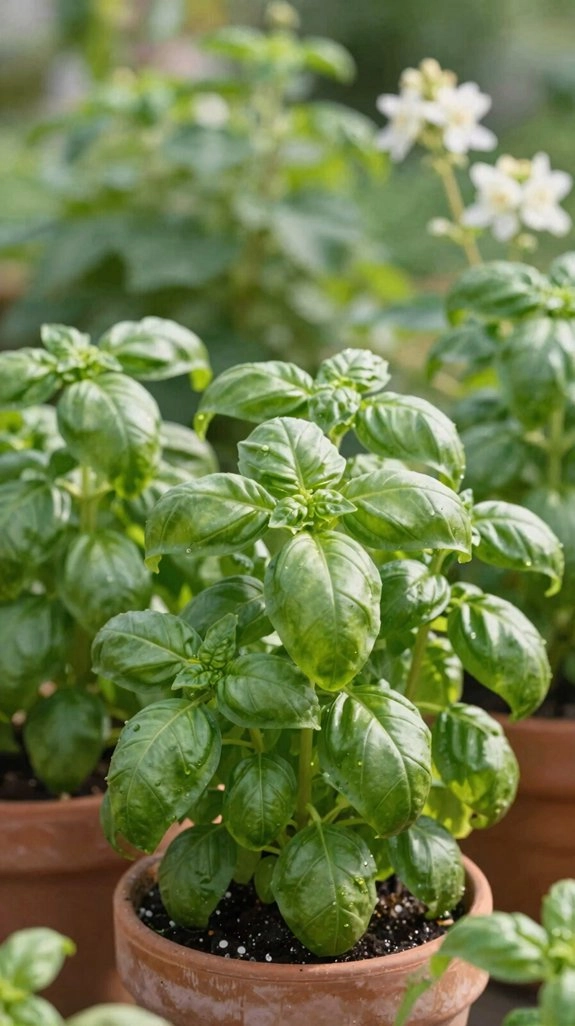
Basil brings that same sun-loving energy, but with a fresher, sweeter kick, and it can help keep mosquitoes and flies from hanging around your patio party!
You can tuck basil into pots by doors or plant it in sunny rows, where it gets good drainage and never sits soggy.
Keep the soil damp, not swampy, and water more in hot weather so the scent stays strong.
Trimming basil regularly helps keep those aromatic oils active, too.
In cooler areas, treat it like an annual and enjoy it from summer to frost.
Nice bonus: you’re Detering insects outdoors while grabbing leaves for dinner!
Citronella Geranium for Strong Scent

If you want a plant that smells like summer with a serious mosquito-fighting attitude, citronella geranium is a fun one to try! You’ll fit right in with gardeners who love a bold, citrusy herb vibe.
- Planting timing: set it out after frost, when nights stay warm.
- Scent intensity: full sun boosts that lemony punch.
- Container placement: park pots near patios or doors, so you catch the fragrance.
- Pruning frequency: snip often; fresh growth keeps the oils strong.
It won’t banish every mosquito, but it can mask their target, and that’s a pretty nice win!
Bee Balm for Pest-Resistant Borders
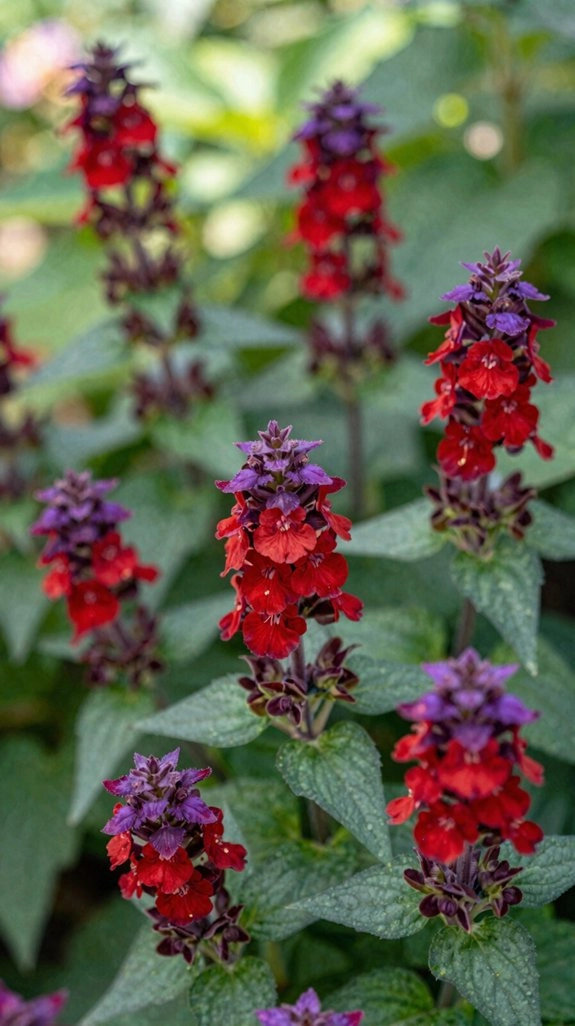
Bee balm brings a whole different kind of garden energy, and wow, it’s a good one!
You can tuck this Monarda into sunny or partly sunny borders, and it’ll light up your garden with mid- to late-summer blooms.
It pulls in bees and butterflies, so your space feels alive, not just protected.
For companion planting, it works well along paths and edges.
When you lightly crush the leaves or trim them often, the fragrant oils come out, and that may help deter mosquitoes.
Some studies even show strong repellent action, so you get a pest-resistant border that still welcomes the good bugs!
Mint for Pots and Easy Access
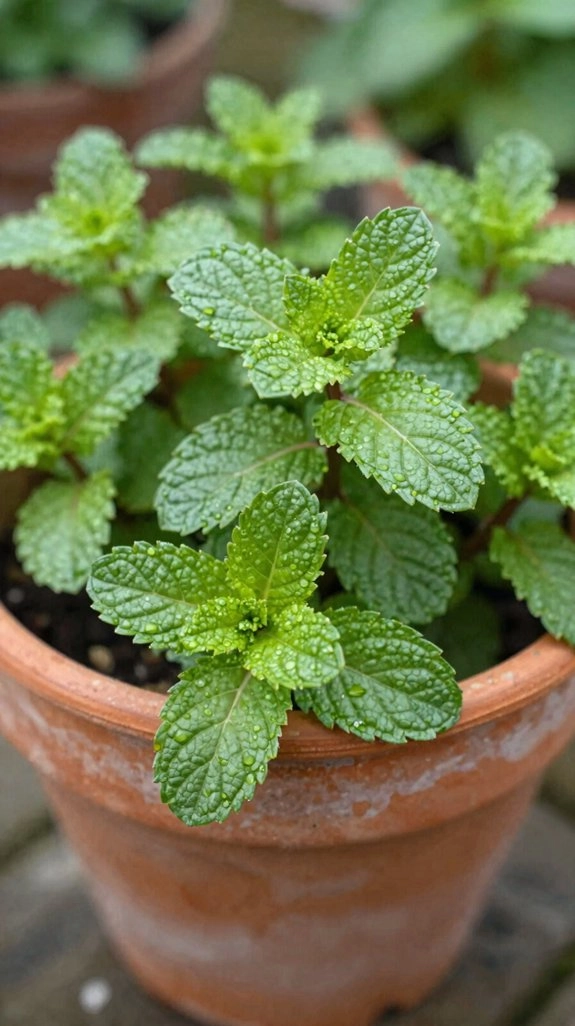
On a sunny patio, mint can do a lot more than flavor your drinks—it can also help keep mosquitoes and other annoying bugs at bay!
- Use pots for easy picking and container maintenance.
- Try companion planting near seating for a friendly garden vibe.
- Choose smart garden placement by doors and patios.
- For fragrance boosting, rub a leaf and let the oils work.
Potted mint stays tidy, so it won’t run wild through your beds, and you can manage it year after year.
Dry a few sprigs indoors, too, for a simple, nontoxic pest fix that feels right at home!
Ageratum for Color and Mosquito Control
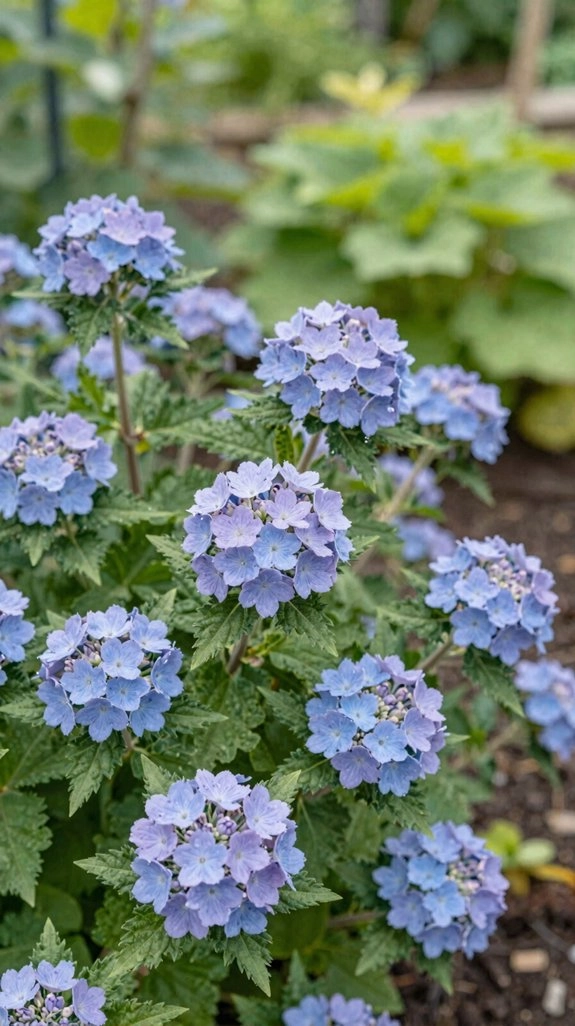
Ageratum, or floss flower, brings feathery blue blooms that brighten your beds and containers from planting time right up to frost—pretty handy, right?
You’ll also hear it praised for mosquito control because it can produce coumarin, a compound linked to repellents, though it’s more of a helpful nudge than a magic force field.
Plant it near entrances or patios for color and a bit of buzz-busting support, but keep in mind it’s toxic if pets or people eat it, so place it with care!
Ageratum’s Mosquito-Repelling Trait
If you want a plant that brings bright color and a little mosquito-busting backup, floss flower is worth a look! You can tuck it into companion planting beds, and its soft scent follows a handy fragrance timing rhythm, strongest when blooms are fresh.
- Grow it in warm spots, where it shines through mosquito season.
- Its flowers hold coumarin, a natural mosquito-fighter.
- It’s helpful, but not magic, so keep expecting a few determined bugs.
- Watch kids and pets, since it’s toxic if eaten.
Plant it for team spirit in your garden, not total bug banishment!
Colorful Annual Garden Accent
Brighten up your beds and containers with floss flower, and you’ll get a cheerful burst of blue-purple fluff that looks right at home by patios, walkways, and entry doors! You can enjoy color from planting through hard frost, and its coumarin may help with mosquitoes, too.
Try a simple mix: one ageratum plant, a pot or bed space, and a sunny spot near where you gather. Plant it, water it in, and let it fill out fast.
Still, Mosquito control limits mean it won’t block every bite, so pair it with other habits.
For plant safety placement, keep it out of reach.
Planting With Pet Safety
When you want a plant that brings both color and a little mosquito help, floss flower can be a fun pick for your patio or porch!
- Use it in a companion planting strategy, but don’t expect magic.
- Grow it in containers or beds for easy pet proof garden design.
- Keep pets away, since ageratum is toxic if eaten.
- Pair it with standing-water cleanup and EPA-registered repellents for real bite control.
It’s a bright annual in warm zones, blooming from planting to hard frost.
The scent can fade fast, so think of it as a helper, not a hero.
That way, your garden stays cheerful, safer, and more welcoming!
Sage for Fire Pits and Outdoor Spaces
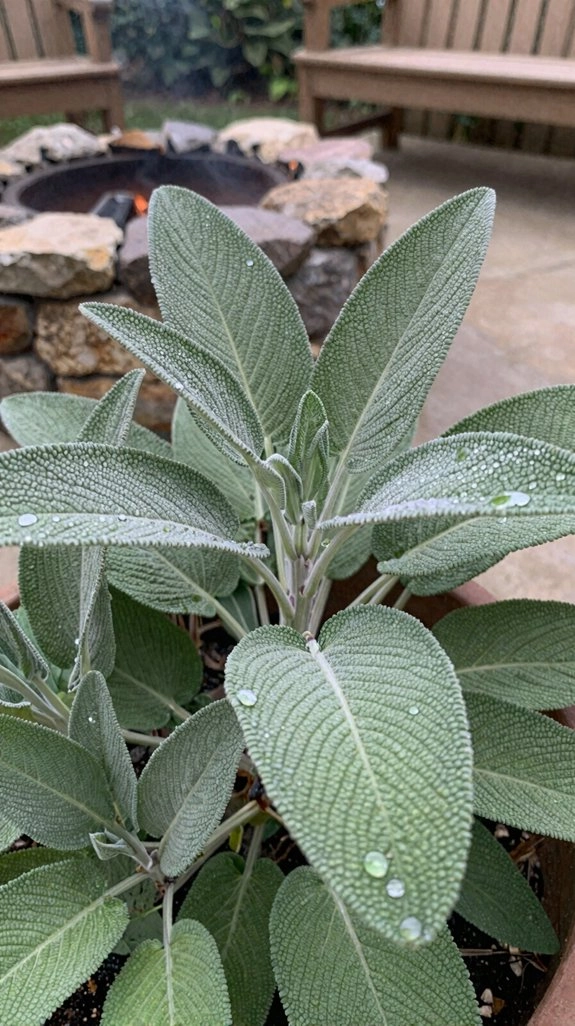
Sage is a great little helper for fire pits and outdoor spaces, and it’s not just because it smells amazing!
You can tuck it near your seating area and use companion planting tips to build a cozy, bug-unfriendly hangout.
For scent longevity strategies, keep the plant dry, trim it often, and let the leaves stay healthy and strong.
Want a DIY trick?
Dry a few sprigs, then toss them into the flames, or steep them for a homemade bug-spray base.
Sage’s earthy smoke can help discourage insects, and it’s a perennial in zones 5–8, so your crew gets a long-term garden buddy!
Alliums for Bold Scent and Structure
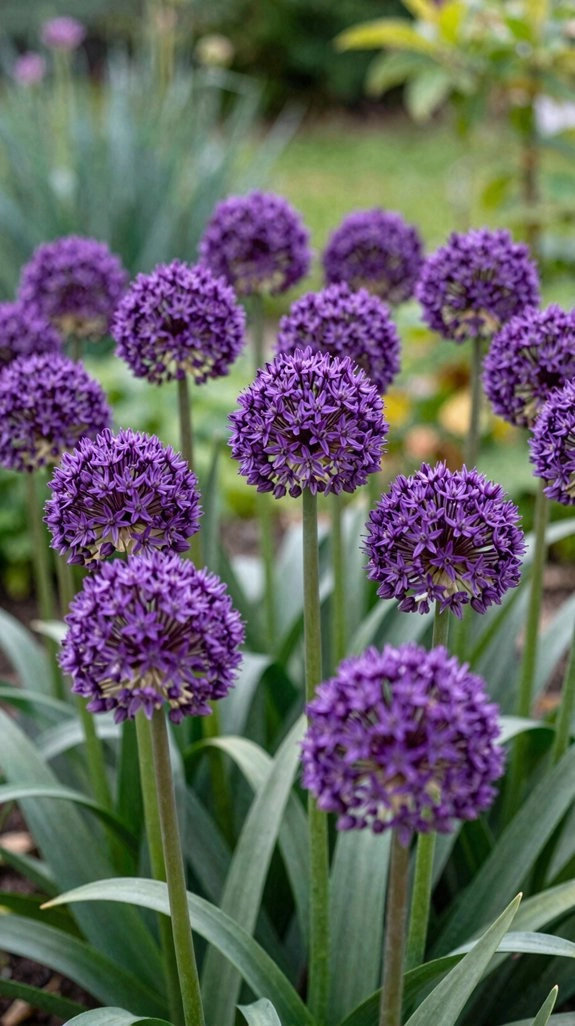
If you want a plant that brings big personality and a mosquito-unfriendly punch, alliums are a fun pick! You’ll love their tall stems and round blooms, plus the bold scent that starts right at the bulb.
- Plant garlic or onion relatives in fall through hard frost.
- Use them in companion planting with herbs and flowers.
- Try scent layering for a stronger garden aroma.
- Enjoy easy structure in beds and borders.
They’re usually hardy in zones 3–8, depending on variety, so they fit lots of gardens. Best part? Their concentrated odor zone can help keep mosquitoes guessing. Nice, right!
Where to Place Mosquito-Repelling Plants
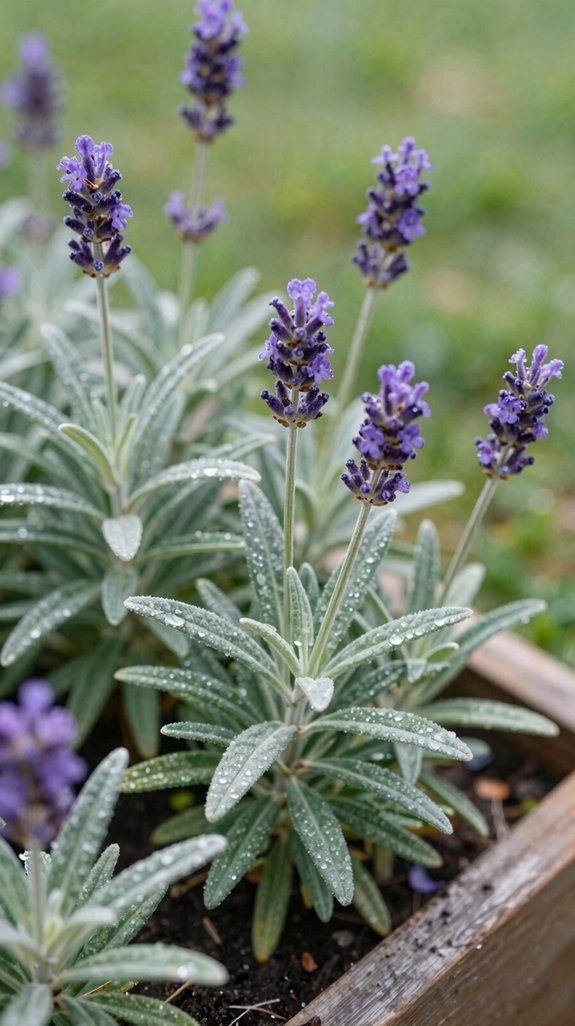
You’ll get the most from mosquito-repelling plants when you place them where you already hang out, like patios and entrances, so the scent has a chance to greet mosquitoes before they greet you—rude, right?
Sunny container spots work great for citronella-type plants, mint in pots, and other leafy helpers, since they like good light and are easy to move around.
Then line beds and walkways with marigolds, catnip, bee balm, rosemary, or basil, and keep them near breezy edges, because airflow can make your plant setup feel a lot more effective.
Patios And Entrances
Around your patio and front entrance, the right plant placement can make a big difference, and the best part is that it doesn’t have to look fussy or expensive!
Skip mosquito control myths and follow a simple seasonal planting schedule so your space feels welcoming.
- Add marigolds in pots by the door.
- Set citronella grass in large planters near entries.
- Tuck scented geraniums beside steps.
- Keep mint in containers you can brush past.
For a little surprise, line patio edges with catmint; one study says it may beat DEET by a lot.
You’ll build a friendly, plant-powered welcome!
Sunny Container Spots
Sun-soaked containers can do more than look pretty, they can help set up a mosquito-unfriendly zone near your doors and patio!
Put citronella grass, scented geraniums, rosemary, oregano, marigolds, and basil in large pots where they get plenty of light and drain well.
You’ll get easy care, good scent, and a welcoming vibe.
Try mint in a pot, then rub a leaf when guests arrive for a quick aroma boost—hello, fragrance timing tips!
For pollinator friendly placement, tuck catmint into bright containers if your space has less than all-day sun.
Keep frost-sensitive plants sheltered, and your crew will notice the difference.
Around Beds And Walkways
When mosquitoes seem to hover right where people walk and linger, placement matters just as much as the plant itself! Put lemony plants, marigolds, rosemary, basil, and catmint around beds and walkways so you and your crew get a scented shield.
- Use citronella grass in big planters near paths; it’s frost-free and bold.
- Tuck scented geraniums by bed edges for better scent longevity.
- Line entrances with marigolds, easy and cheap!
- Try Companion planting with rosemary, basil, or catnip, then trim grasses so breezes can move and mosquitoes lose hiding spots.
Container Growing Tips
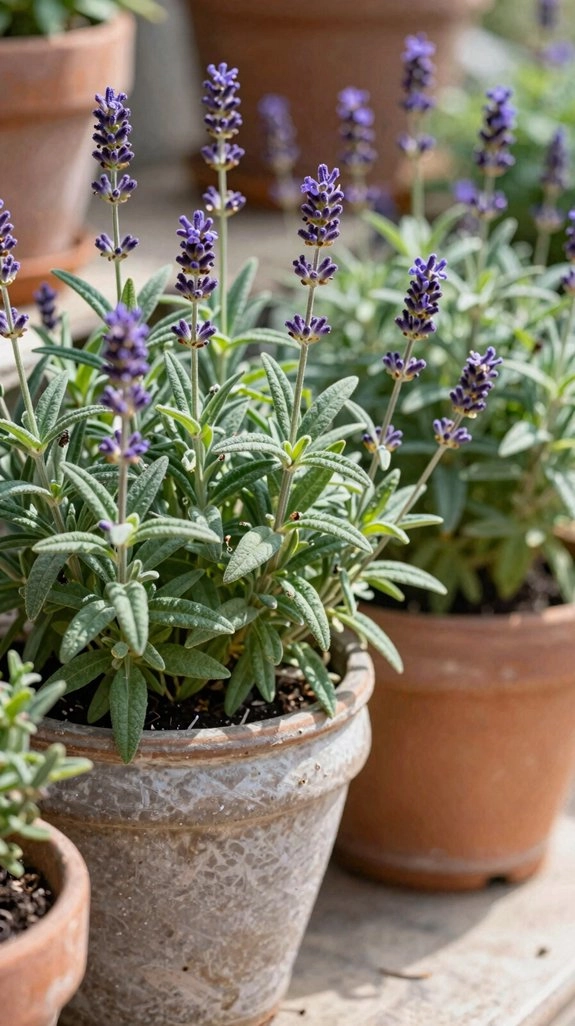
On your patio, the right container can make mosquito-fighting plants way happier, and that means better results for you, too!
Pick pots that fit the plant: citronella and lemon grass need large planters, while mint should stay boxed in so it doesn’t run wild.
Add drainage hole placement carefully, then focus on soil moisture management so roots stay damp, not soggy.
Set pots near doors and sunny spots, where lavender, rosemary, and marigold can shine.
Trim catnip or scented geranium often, and crush a leaf now and then to wake up the oils.
Nice bonus: no swampy pot, no mosquito nursery!
How to Boost Plant Fragrance
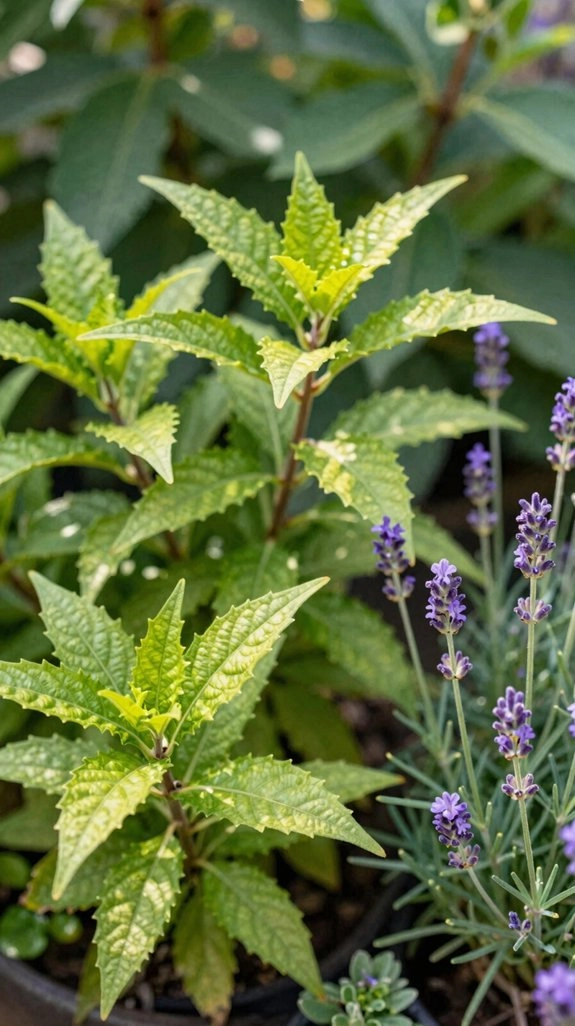
To crank up mosquito-fighting fragrance, start with plants that already come packed with strong oils, like citronella grass, scented geranium, basil, catnip, and rosemary.
You’ll fit right in with a garden crew that smells amazing and works hard!
- Try companion planting with basil and rosemary, so their scents mingle.
- Use scent layering by mixing lemony geraniums with catnip nearby.
- Time placement timing for big pots close to your chair, where you linger most.
- Encourage leaf activation by gently rubbing a few leaves when guests arrive—instant wow, and mosquitoes get the memo!
Trim often, and let fresh growth keep the fragrance going strong.
What These Plants Need to Thrive
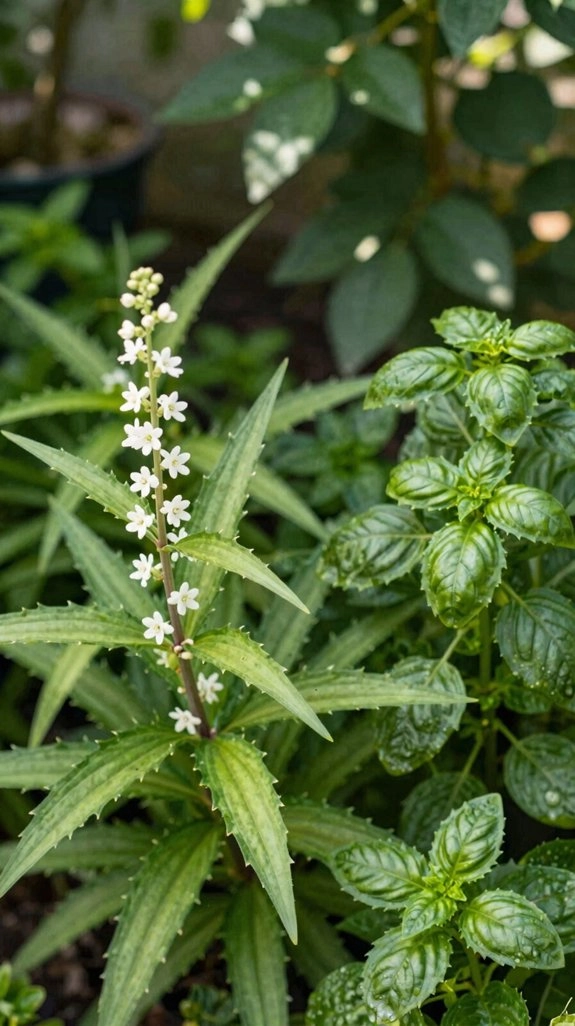
Great scents don’t work magic all by themselves, because these mosquito-repelling plants still need the right growing setup to really shine!
Give most of them full sun and great soil drainage, so roots stay happy and leaves stay fragrant.
Water on a steady watering cadence, letting the top inch dry, and don’t drown them—mosquito plants hate swampy feet!
For container placement, use big pots for citronella grass and scented geranium, especially in cooler spots.
Keep mint and catnip in pots, too, or they’ll go on a little garden adventure.
Finish with proper pruning, and your plants’ll stay bushy, bold, and ready to help.
Which Plants Work Best Together
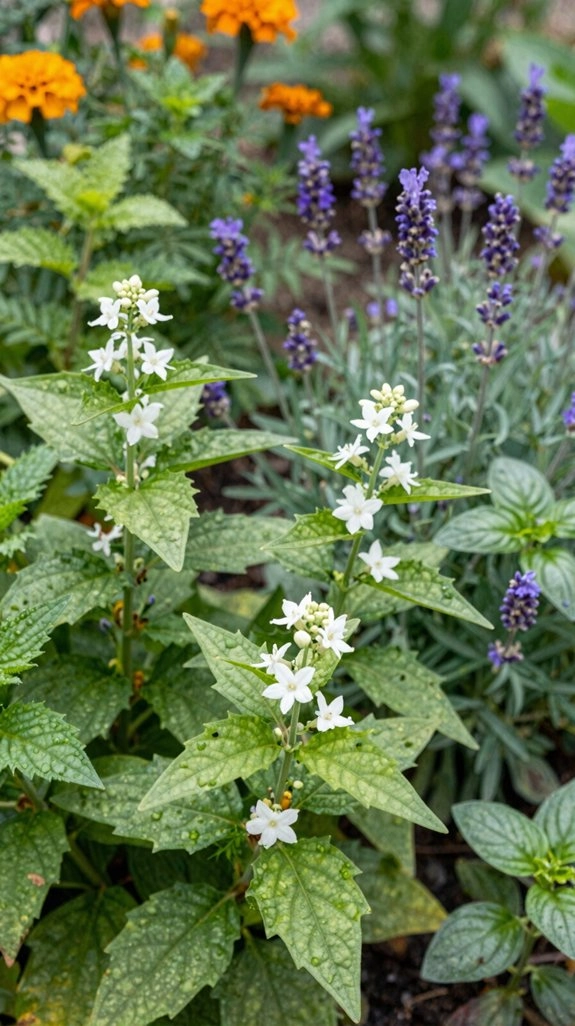
When you group the right mosquito-repelling plants together, their scents can team up like a tiny garden crew with a serious job to do! Companion planting helps you build scent overlap, so mosquitoes get hit with more than one smell at once. Try:
- Lemon grass or scented geranium with catnip for a strong patio shield.
- Marigolds by doors, plus basil in pots, for busy entry spots.
- Rosemary with oregano, and give them leaf trimming to boost volatile release.
- Bee balm near flowers, so you welcome pollinators too.
Cluster lavender, basil, catnip, and geranium, and keep snipping for extra punch!
Limits of Mosquito-Repelling Plants
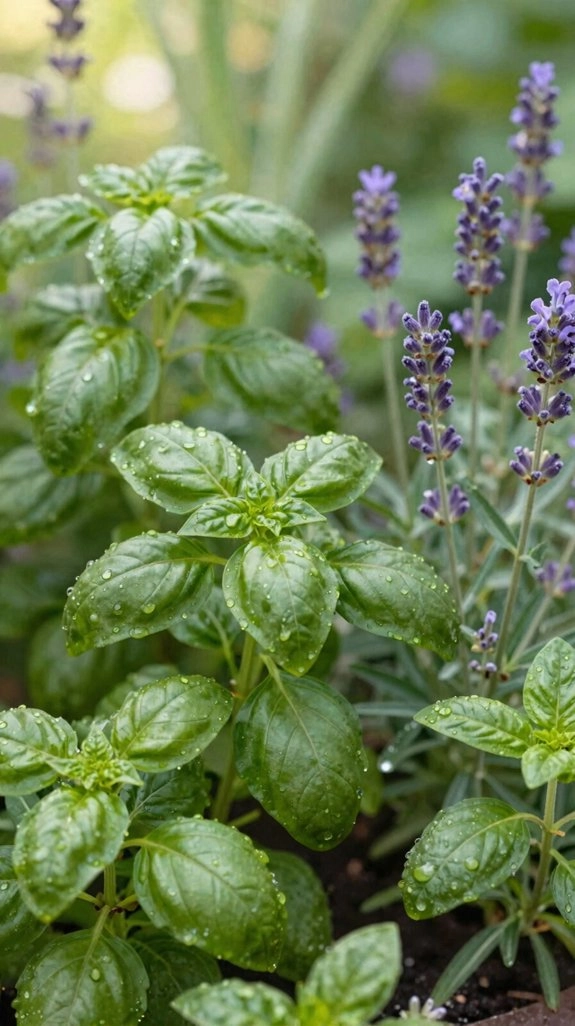
Nice idea, but mosquito-repelling plants have real limits—you can’t count on them to stop bites, and studies often show mosquitoes land just as much with or without them.
Their scents and oils fade fast, so even a plant packed with citronella-style compounds may only give you a tiny boost, not a force field!
For better protection, you’ll want to pair plants with proven tools like EPA-registered skin repellents, especially when you’re trying to avoid itchy bites and bigger risks.
Why Plants Fall Short
Even though mosquito-repelling plants sound like a dreamy backyard fix, they often fall short in real life. Mosquito behavior ignores your pretty pots, and attractant tracking still leads bugs to your breath, sweat, and standing water.
- Mixed research says plants aren’t reliable
- Plant coverage limits leave gaps everywhere
- Many compounds don’t reach the air well
- Scent longevity can fade before you relax
You might crush leaves for a quick boost, but that’s a tiny helper, not a shield. In reviews, plant products often rank low, so treat them as a bonus, not your only plan.
Scents Fade Too Fast
Those sweet-smelling leaves can seem like a backyard magic trick, but the smell often disappears fast, and mosquitoes don’t politely wait around!
You might love the fresh scent, but scent duration is short, because volatile oils drift off with wind dispersal and hit evaporation limits fast.
Humidity impact can help a little, yet it still won’t hold a steady barrier around you.
When you crush or trim leaves, you can release more aroma for a moment, and that feels promising.
But the boost fades, so don’t expect lasting protection.
Some plants may help, but their clouds rarely stay strong enough where you stand.
Better Protection Methods
Around your patio, mosquito-repelling plants can help a little, but they’re not a magic force field, and that’s the tricky part! In your Natural repellent comparison, plants are just one teammate, not the star player.
- Trim or crush leaves to boost scent, then enjoy a stronger, short-lived effect.
- Keep water out of pots and gutters, so mosquitoes can’t breed nearby.
- Add a fan, because moving air makes it harder for them to find you.
- Choose EPA registered options on skin for real bite protection and illness defense.
That’s the win: you belong outside, bite-free, with smarter layers of protection!
Why Mosquito Control Matters
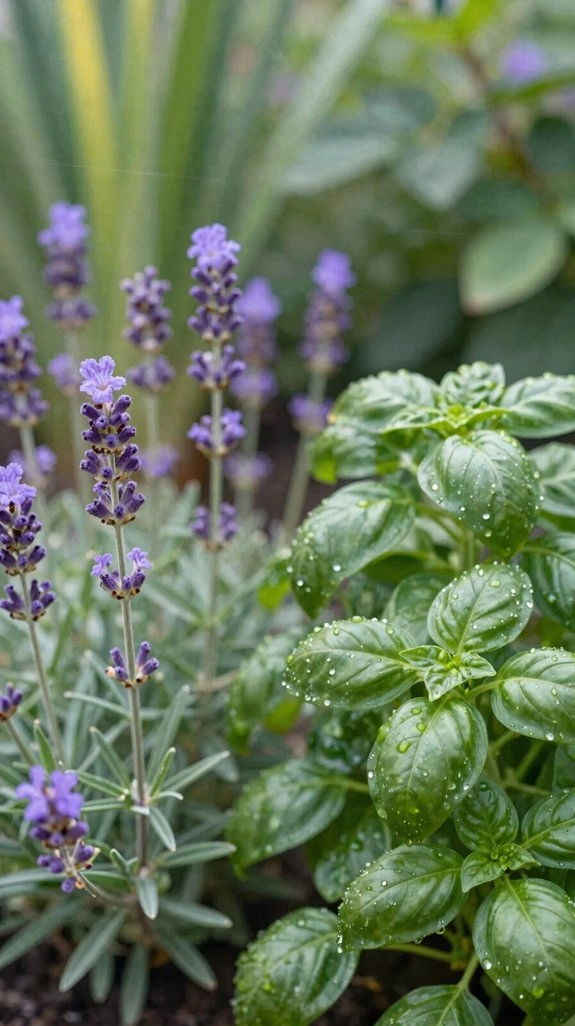
Because mosquitoes do more than buzz around your ears, controlling them matters a lot. Their public health impact is real, with disease transmission risks from malaria, dengue, yellow fever, encephalitis, West Nile, and Zika—yikes!
You’re not just swatting an itch; you’re protecting your family, and even your dog from heartworm-carrying bites.
In your garden, repelling plants can help lower the crowd, since mosquitoes follow the carbon dioxide you breathe out.
Still, plants aren’t magic shields.
For the most reliable bite protection, use approved repellents on your skin, then enjoy your yard with way more peace of mind.